
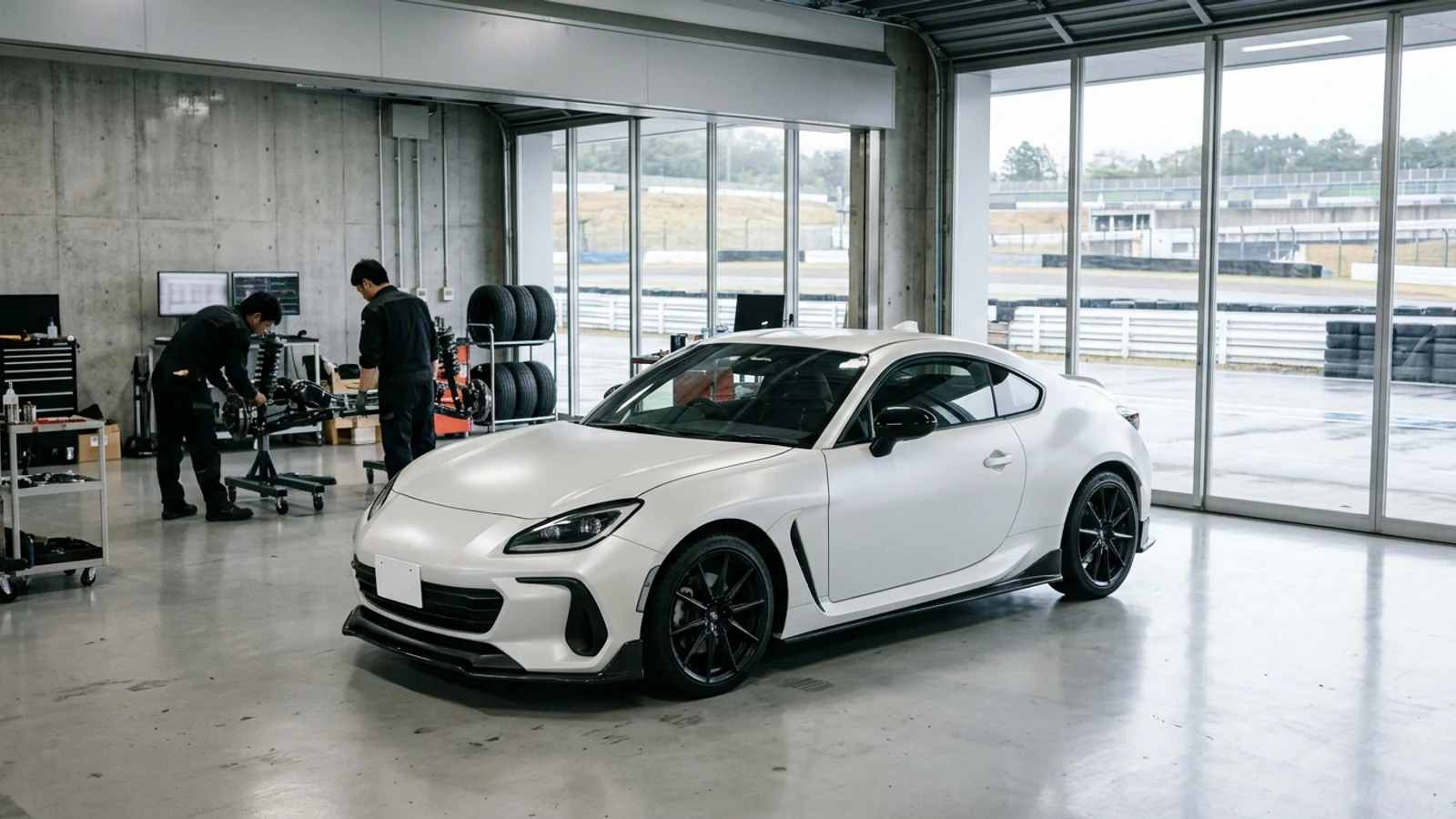
Toyota has explicitly confirmed its intent to prioritize the development and production of enthusiast-focused sports cars as a core component of its future business strategy. Tomoya Takahashi, the president of Gazoo Racing, addressed the company's internal stance regarding the automotive market during a recent interview published in the official Toyota Times. This commitment arrives as a direct response to industry-wide shifts that are increasingly favoring mass-market transport over high-engagement performance models, representing a significant strategic emphasis for the manufacturer. Source
Strategic Importance of Driving Passion
The executive highlighted a specific apprehension regarding the long-term viability of the automotive sector, suggesting that a potential decline in public interest in driving could threaten the industry as a whole. Takahashi argued that if younger consumers are not given the opportunity to experience the joy of operating a vehicle, the fundamental desire for car ownership may diminish. Consequently, maintaining a lineup of sports cars is framed not merely as a brand-image exercise, but as a critical measure to protect the broader automotive market. Source
Takahashi observed that as advanced driver-assistance systems and autonomous technologies continue to integrate into modern vehicles, the role of human-controlled driving remains a central priority for Toyota. The company intends to prove that pleasure-oriented driving can coexist with these technological advancements. This stance represents an effort to ensure that the thrill of performance driving remains accessible to current and future generations, regardless of the transition toward widespread electrification or increased automation in the global fleet. Source
The current focus at Toyota rests on a 'domino-effect' theory, where exposure to engaging sports cars directly correlates to sustained automotive demand. By removing these vehicles from the market, Toyota management believes the industry risks a cascading loss of interest among younger buyers who may otherwise never develop a personal connection to vehicle operation. The organization views its continued investment in this specific niche as an essential safeguard against the gradual alienation of the driving public from the actual experience of car control. Source
While this announcement serves as a foundational mission statement rather than a specific product rollout, it distinguishes Toyota from many other large-scale manufacturers currently scaling back their performance offerings. The company maintains that the presence of enthusiast models is necessary to bridge the gap between utility-focused transportation and the emotional connection drivers share with their machines. This strategy persists even as regulatory pressures and market profitability trends place significant constraints on the development of specialized sports platforms. Source
Future Performance and Powertrain Development
Looking ahead, Toyota continues to evaluate how alternative powertrains might accommodate the requirements of fun-to-drive vehicles. Concepts such as the FT-Se demonstrate the manufacturer's exploration of performance-oriented electric vehicles. Although the company has not finalized production commitments for these specific concept models, the overarching intent remains focused on delivering driving satisfaction regardless of the underlying propulsion system. This exploratory approach allows Toyota to adapt its sports car legacy to shifting emissions standards without abandoning its core identity. Source
The persistence of the sports car segment has faced challenges from tightening global regulations and changing consumer preferences, yet Toyota suggests that the market for such vehicles remains an essential pillar of its brand. By prioritizing Gazoo Racing's role in the company's hierarchy, the automaker seeks to balance its diverse portfolio of mass-market, hybrid, and performance vehicles. This long-term planning aims to ensure that the brand remains relevant to performance enthusiasts while meeting its obligations in the broader global automotive market. Source
Takahashi’s arguments emphasize that the decision to build sports cars is rooted in the pragmatic observation that brand loyalty and automotive enthusiasm are interconnected. The manufacturer recognizes that the survival of performance models provides a 'halo' effect that influences the perception of the entire Toyota product range. By keeping the sports car flame active, Toyota aims to sustain its reputation as a company that prioritizes the driver's perspective, even in an era of rapid technological change and shifting mobility solutions. Source
Ultimately, the message from the leadership at Gazoo Racing is clear: Toyota is committed to providing options for those who derive enjoyment from driving. This pledge is not presented as a temporary project but as an ongoing requirement for the health of the automotive industry. The company explicitly rejects the idea that autonomous or electrified futures must signal the end of driver involvement. Instead, it proposes a future where performance and innovation continue to evolve in tandem to serve the needs of driving enthusiasts. Source
The following table outlines the contrast between market trends and Toyota's stated position regarding the future of sports car production within the automotive landscape as reported in late 2026. Source
| Market Factor | Industry Trend | Toyota Stated Intent |
|---|---|---|
| Sports Car Availability | Declining / Shrinking | Continued Commitment |
| Autonomous Tech | Seen as replacing drivers | Seen as coexisting with drivers |
| Young Buyer Interest | Potential long-term loss | Targeted via experience-led design |
| Powertrain Focus | Shifting to EV/Compliance | Maintaining fun in any powertrain |
In concluding his recent remarks, Takahashi underscored that the primary objective for his team is to maintain the availability of high-engagement vehicles. He warned that a withdrawal from the sports car segment would likely result in the total disappearance of such vehicles from the modern marketplace. Consequently, the company has elected to stay the course, reinforcing its dedication to the enthusiast community even as the global automotive environment continues to move toward more standardized and highly automated vehicle operation. Source

