
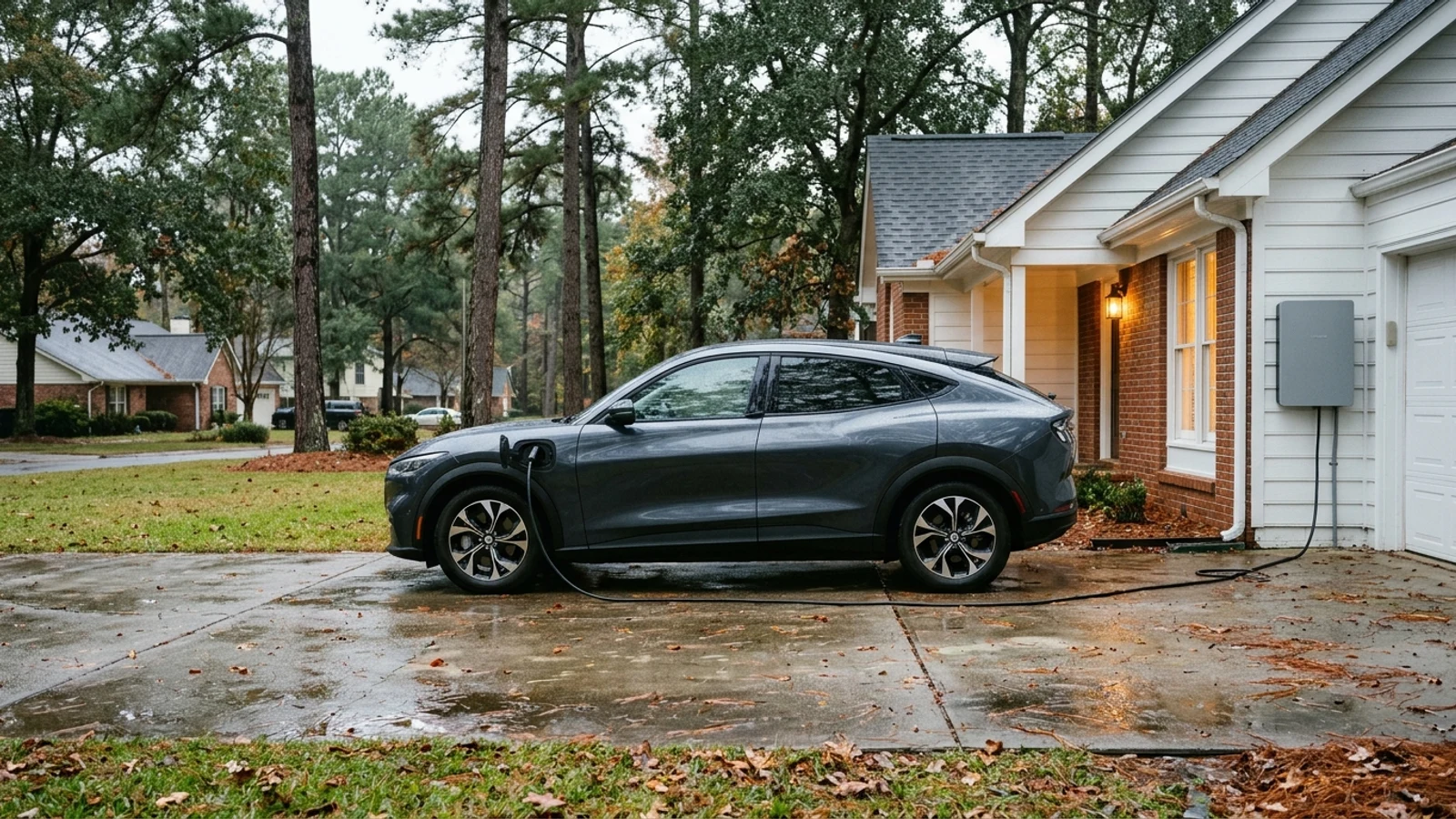
EV Resilience in Disaster Scenarios
The operational reliability of electric vehicles during emergency situations has become a focal point of public discourse. While conventional internal combustion vehicles are often assumed to be the default choice for disaster scenarios, recent events indicate that traditional fuel logistics are vulnerable. When major storms disrupt electrical infrastructure, fuel distribution networks often fail, rendering standard gasoline pumps inoperable because they require consistent power to move fuel from underground tanks to the consumer vehicle. Source
Discussions surrounding grid failure frequently emphasize potential impacts on charging infrastructure. Specifically, concerns persist regarding the functionality of the Tesla Supercharger network and public DC fast charging stations during widespread outages. Similar to gasoline pumps, these high-power charging stations depend on reliable grid connectivity for both operation and communication. In many cases, the reliance on standard 120-volt power lines to operate station electronics can effectively disable fast-charging hardware when local distribution is lost. Source
Real-world data emerged following Hurricane Helene in late 2026, which provided evidence of how electric vehicles performed during significant grid collapses in Georgia. One driver operating a GMC Sierra EV reported navigating through the southern region of the state, an area where electrical grid outages were widespread. The driver observed numerous gasoline stations rendered unusable due to the lack of power required to operate fuel pumps. This experience highlighted the limitations of gas-dependent transportation in severely affected disaster zones. Source
The driver's experience while towing an auto transport load across Georgia illustrated a technical nuance regarding charger accessibility. At a Ford dealership in Vidalia, the primary DC fast charger was offline because its internal electronics were linked to power grid lines that had failed. However, the available Level 2 charging infrastructure remained operational. These chargers functioned because they utilized separate, underground 240-volt electrical supply lines, which remained intact despite the severe weather and widespread damage across the local grid. Source
The capability to utilize Level 2 charging allowed the driver to maintain vehicle range and complete necessary tasks, including transport support to Titusville, Florida. In the aftermath of the storm, the driver noted that securing a backup gasoline generator was difficult, as many units were sold out in the impact zone. While the EV provided critical mobility, the situation served to contrast the limitations of combustion-based transportation with the options available to electric vehicle owners during long-term power infrastructure damage. Source
Home Energy and Grid Independence
Beyond mobile charging, the concept of home energy integration offers a more significant layer of preparation. For users who have installed a comprehensive home energy system, the dependence on external fuel supplies can be minimized. This approach involves combining an electric vehicle with a home backup battery and a rooftop solar array. Such configurations enable homeowners to generate their own power, which can be stored for later use, effectively removing the reliance on a functioning public utility grid or fuel delivery. Source
Industry experts such as GM Energy’s Jim Reilly have characterized these integrated setups as reaching a state of energy dominance. This term refers to the ability to independently manage energy generation, storage, and distribution without requiring external input. The benefits extend beyond emergency management; users can optimize the cost of their fuel by choosing when to charge their vehicles based on current solar production levels or grid pricing, thereby insulating themselves from broader energy market volatility. Source
Comparing the two energy types, experts note that combustion-powered vehicles offer little flexibility during supply chain disruptions. When geopolitical events affect pipeline infrastructure, gasoline prices are often driven higher at the pump, leaving drivers with no choice but to pay the increased cost. In contrast, electric vehicles represent a platform where the owner can exercise greater control over the source and timing of their energy procurement, especially when supported by residential solar and battery storage solutions. Source
For vehicle owners, evaluating the differences between charging station types and their power sources can be a critical step in disaster planning. The following table summarizes the key distinctions identified during the reported infrastructure impacts in Georgia, illustrating why some charging options remained viable while others were disabled by grid failures during the Hurricane Helene recovery period. Source
Infrastructure type impacts observed: The table below details the performance of different charging technologies observed in Vidalia, Georgia, based on the reported power supply configuration. Note that these observations rely on local infrastructure characteristics, specifically whether the equipment was connected to independent underground lines or standard grid-dependent electronics. Vehicle operators are encouraged to understand the power topology of their local charging facilities to better assess potential service availability during major grid-related emergency events. Source

