
Auction Overview and Vehicle Collection
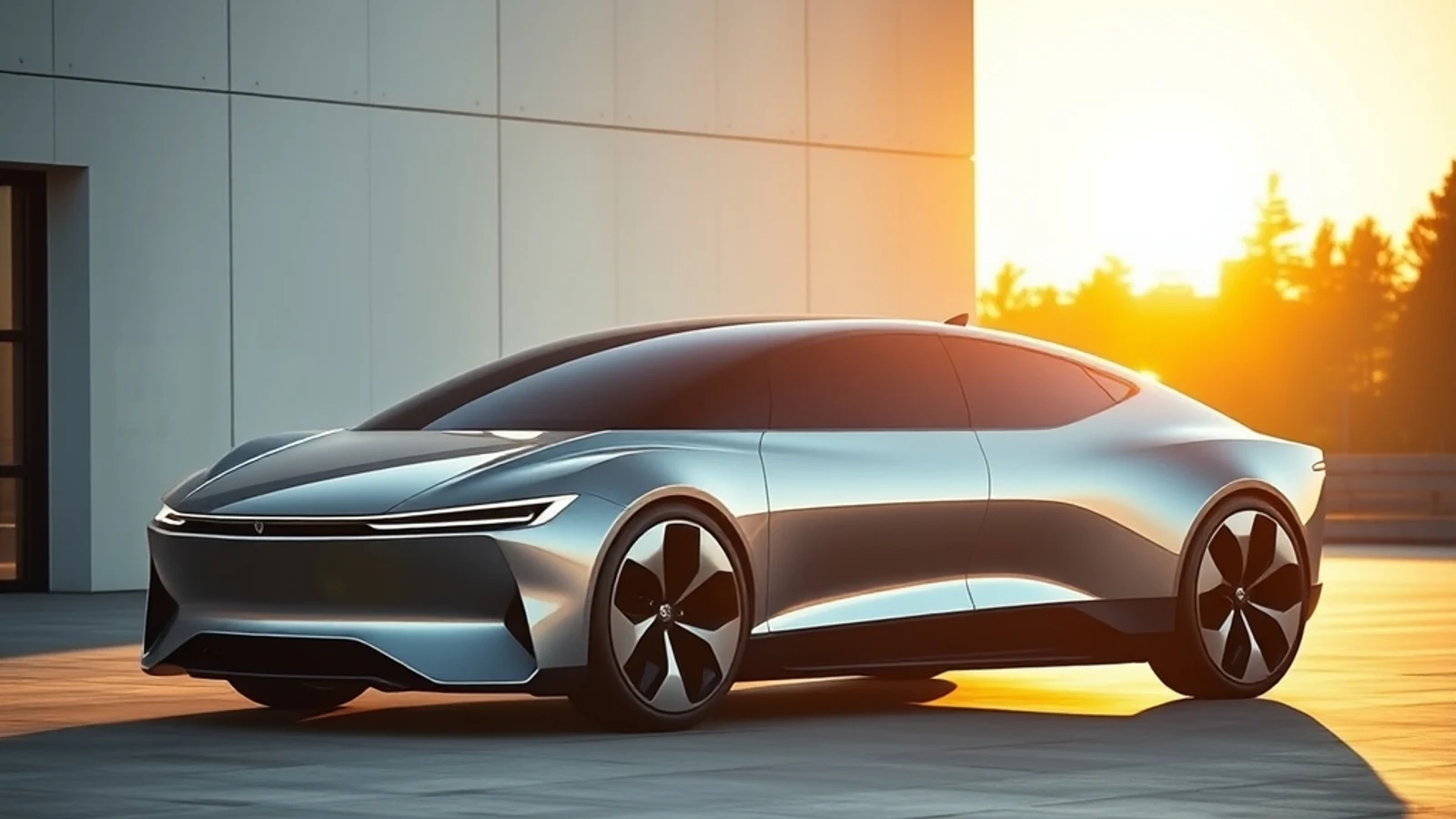
The auction house Klaravik has launched a sale of a unique collection of electric vehicle prototypes previously associated with the defunct automaker National Electric Vehicle Sweden. Among the items available for purchase are four complete Emily GT prototype vehicles and a single development mule. This sale provides an opportunity for entities or private collectors to acquire these experimental vehicles, which are stored at a previously shuttered facility located in Tröllhattan, Sweden. Source
The auction lot is significant due to the inclusion of supplemental equipment designed to support the development and maintenance of these vehicles. According to Car and Driver, the auction includes a comprehensive bundle of parts, specialized tools, technical drawings, and even additional body components for the Emily GT models. This inventory is intended to provide a foundation for those interested in studying the engineering or potentially pursuing the further development of these experimental platforms. Source
National Electric Vehicle Sweden was founded with the objective of utilizing the assets and design legacy of the former Saab automobile company to establish a viable electric vehicle manufacturer. The project utilized a specific battery platform referred to as the Phoenix. Despite the integration of existing production and design expertise, the company struggled to maintain financial viability in the modern automotive market, ultimately leading to the winding down of the entire project before commercial production was reached. Source
Previously this year, the heavy-equipment specialist auction house Klaravik handled the sale of some of the last brand-new Saab automobiles ever sold. The current Emily GT collection represents a different phase of the company's efforts, focusing on research and development assets that were intended to carry forward the spirit of the Saab brand into the electric era. The auction is now active for those interested in acquiring these rare vehicles. Source
Engineering Specifications and Project Scope
The Emily GT prototypes feature engineering choices that differentiate them from standard electric vehicle designs. The vehicles utilize in-wheel electric motor technology, with components sourced from a supplier that is in partnership with Renault on the 5 Turbo 3E. While the vehicles never entered mass production, they possess performance specifications that highlight the ambitious goals of the development team during the project's active phase. These vehicles are noted for their design, which has been compared to a smaller Lucid Air. Source
The following table outlines the reported specifications and vehicle types available in the auction, as referenced by industry reports regarding the Emily GT platform and the secondary autonomous project listed for bidding. Source
| Vehicle / Asset Type | Reported Specification | Notes |
|---|---|---|
| Emily GT Prototype | 490 horsepower | In-wheel motor configuration |
| Emily GT Prototype | ~600 miles | Manufacturer target range |
| Pons Sango | Six-seater | Autonomous van project |
The Emily GT prototypes were designed with a focus on range and power, with targets reaching approximately 490 horsepower and a total range estimated around 600 miles. Although these figures were set as ambitious development targets, the actual physical engineering notes and hardware components are included for inspection in the auction lot. These technical assets serve as the primary documentation of what the engineering team sought to achieve during the development of the Phoenix platform. Source
In addition to the Emily GT prototypes, the auction includes a separate autonomous vehicle project identified as the Pons Sango. This is a six-seater van that also represents a development phase reached by the team at National Electric Vehicle Sweden. Observers suggest that while this specific vehicle holds historical interest for those researching the company’s former efforts, it may be categorized primarily as a museum piece due to its experimental nature and status as a prototype project. Source
The auction process is managed by Klaravik, which maintains experience with the liquidation of assets associated with the former Saab brand and its successors. Potential buyers should note that all bidding activity for the current collection of prototypes and development mules is scheduled to conclude on December 9. The outcome will determine whether these assets are preserved or repurposed by new owners, offering a unique opportunity to purchase the engineering remains of a ambitious startup. Source

