
Vehicle Weight and Specification Comparison
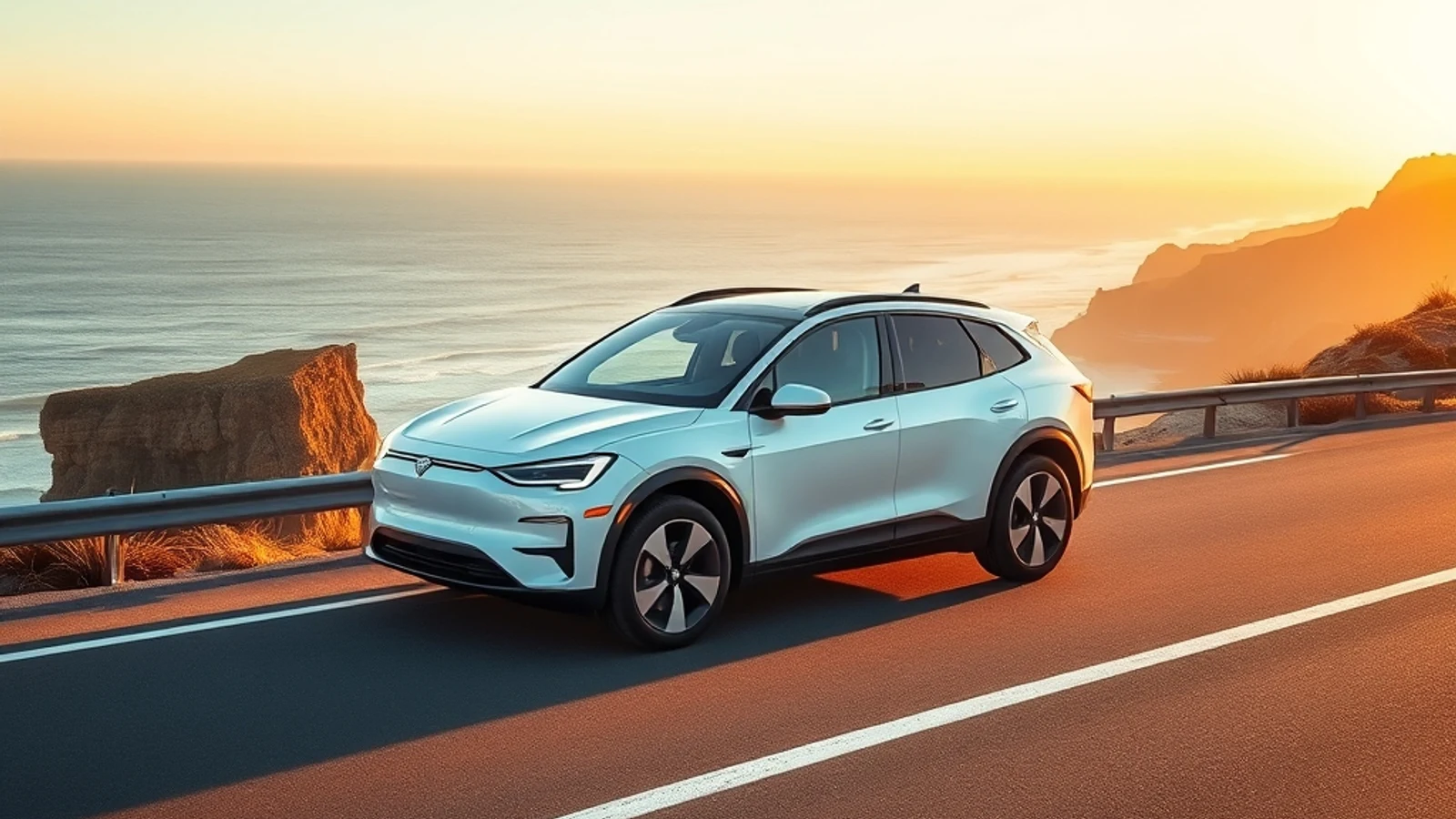
The evolution of the automotive market under General Motors has led to distinct vehicle segments, including high-performance combustion engines and new electric platforms. The Cadillac Lyriq, introduced as a midsize luxury crossover, utilizes the manufacturer's Ultium battery and drive motor technology. A key point of distinction in current vehicle engineering is the weight impact of high-capacity battery packs in electric vehicles, which often results in heavier curb weights compared to traditional, large internal combustion luxury SUVs. Source
In a direct comparison of physical mass, the Cadillac Lyriq consistently outweighs the Cadillac Escalade. The rear-wheel-drive configuration of the Lyriq is documented at 5,688 pounds, while the all-wheel-drive version increases that figure to 5,915 pounds. In contrast, the internal combustion Escalade manages a curb weight of 5,635 pounds in its rear-wheel-drive form and 5,823 pounds when equipped with all-wheel drive, making the Lyriq on average 73 pounds heavier than the full-size SUV. Source
The Lyriq platform features a 12-module, 100-kWh battery system. This powertrain setup provides a power output that starts at 340 horsepower and can reach up to 500 horsepower, with 325 lb-ft of torque. Despite the significant mass involved, the Lyriq is capable of achieving a 0-60 mph sprint in approximately five seconds. The combustion-powered Escalade, though lighter, typically performs the same acceleration test in the six-second range, according to reported manufacturer data. Source
The following table summarizes the key physical dimensions and weight differences between the two Cadillac models based on the documentation provided by CarBuzz, highlighting the scale of these vehicles. Source
| Model | Curb Weight (RWD) | Curb Weight (AWD) | Length | Wheelbase |
|---|---|---|---|---|
| Cadillac Lyriq | 5,688 lbs | 5,915 lbs | 196.7 in | 121.8 in |
| Cadillac Escalade | 5,635 lbs | 5,823 lbs | 211.9 in | 120.9 in |
Historical Models and Special Editions
Historically, Cadillac has sought to address diverse market segments, such as the grand tourer market. The XLR, which concluded production, was built upon the C5 Corvette architecture. While intended to compete with luxury European grand tourers like the Mercedes SL and BMW 6 Series, it utilized a 4.6-liter Northstar V8 engine generating 320 horsepower. Market reception indicated that while the vehicle possessed notable styling, it struggled to maintain the refinement expected by its target luxury demographic. Source
The brand has previously experimented with high-performance special editions, such as the CTS-V Black Diamond Edition released in March 2011. This specific iteration was applied to sedan, coupe, and wagon body styles. It featured a tri-coat paint finish, 19-inch satin graphite wheels, yellow Brembo brake calipers, and an interior configured with Recaro leather seats and Midnight Sapele wood trim. The manual transmission version carried a suggested retail price of $69,190 at the time of its market launch. Source
Furthermore, the 2010 Cadillac DTS occupied the role of the brand's largest sedan. Measuring five inches longer than an Escalade, the front-wheel-drive DTS emphasized a soft, floating ride quality and provided significant interior cabin space. It was notable for offering rear-seat climate and entertainment controls, positioning itself differently from the performance-focused, rear-wheel-drive luxury vehicles exported by foreign competitors during that era. Source
Future vehicle technology remains a focus for General Motors. Development regarding the 2027 Lyriq includes the integration of an AI voice-operated in-cabin concierge system. Despite this, the automaker has indicated that human call advisors will maintain a role in support operations. Additionally, internal discussions have explored the potential for autonomous transport, with visions of Level 4 vehicles eventually facilitating student transportation, provided the technology meets reliability standards. Source
Cadillac has also explored the potential for re-entering the convertible segment. In previous evaluations, management considered various approaches, including potential roof-less adaptations of the ATS Coupe to compete with the BMW 4 Series, or developing a successor to the XLR using the platform architecture from the CTS. Any future path for a convertible model remains contingent on market profitability and consumer demand, as Cadillac balances its heritage with modern electrification requirements. Source
The brand continues to navigate the transition between legacy combustion models and the expansion of its electric vehicle portfolio. While the Escalade remains a staple of the heavy luxury SUV segment, the Lyriq represents the shift toward battery-electric powertrains that prioritize efficiency and quick acceleration. The reliance on large battery modules contributes to these significant vehicle mass figures, creating a new set of engineering constraints compared to historical Cadillac sedan and SUV lineups. Source
As of late 2026, the company continues to manage its diverse model lineup, including the V-series performance vehicles and the incoming Vistiq SUV. Leasing programs and special editions are utilized to maintain market interest while the company navigates ongoing debates regarding union relations and corporate investment. The balance between maintaining a luxury performance reputation and scaling electric production remains the core operational focus for General Motors in the automotive sector. Source

