
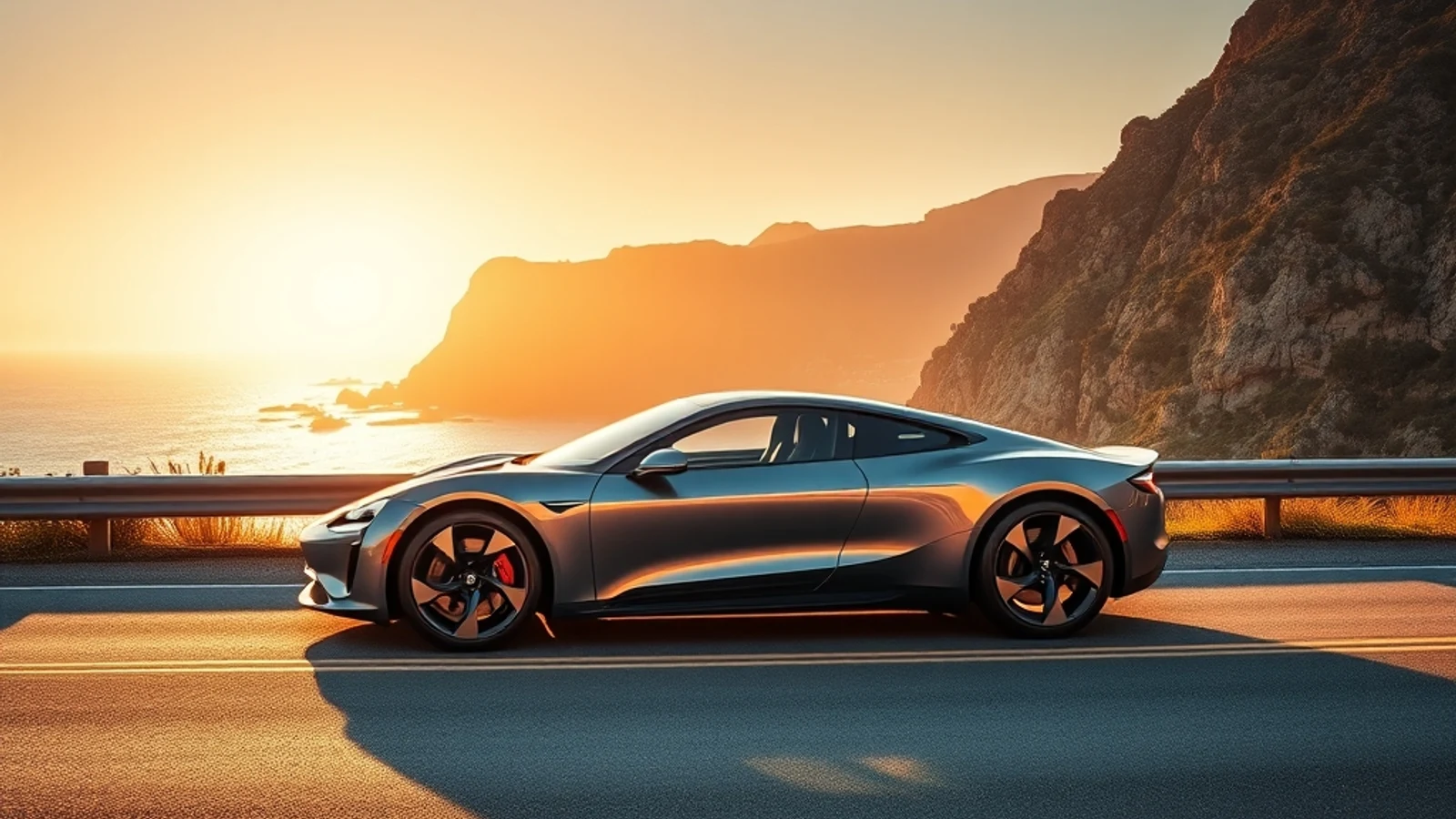
The 2026 Dodge Charger marks a departure from traditional V8-only muscle car heritage, introducing a dual-approach lineup consisting of the Hurricane twin-turbocharged 3.0-liter inline-six engine and a dual-motor electric powertrain. While the manufacturer maintains the muscle car branding, reviewers note the vehicle now features all-wheel drive as standard across the range, with a specialized mode allowing for a rear-wheel-drive bias to facilitate performance maneuvers like drifting. Source
Performance figures for the eighth-generation Charger offer significant upgrades over its predecessors. The entry-level R/T trim utilizes a standard output inline-six engine delivering 420 horsepower, while the Scat Pack variant increases output to 550 horsepower. The electric Daytona configuration reaches even higher performance peaks, producing up to 670 horsepower in its most potent form. These powertrain choices reflect Dodge's shift toward forced induction and electrification for its flagship sedan. Source
Pricing for the new Charger reflects its updated technical capabilities. The entry-level R/T model carries a minimum price tag of $51,990. Shoppers considering a performance upgrade can opt for the Scat Pack, which adds $5,695 to the base price. Meanwhile, the top-tier Daytona Scat Pack EV has experienced a recent price adjustment, bringing its market entry cost to $74,490. These models emphasize a balance between power and versatile everyday utility, including unexpected cargo capacity. Source
The vehicle's physical design provides considerable interior space, characterized by a rear hatch configuration that offers over 38 cubic feet of cargo room when the rear seats are folded flat. This utility, combined with passenger volume suitable for full-size adults in the two-door coupe configuration, leads some observers to describe the new Charger as a massive, high-power hot hatchback rather than a traditional muscle car. Modern features include a physical volume knob alongside a capacitive touch bar. Source
Insurance premiums for the 2026 and 2027 Dodge Charger models are significantly higher than the national average for large sedans. According to Insurify data, drivers can expect to pay an average of $282 per month for a full coverage policy. In contrast, the national average for large sedans is $184 per month, and the overall national average for all vehicles is $187 per month. Liability-only coverage follows a similar trend, averaging $134 for the Charger versus $99 nationally. Source
Multiple factors influence these insurance costs, with age being a primary variable. Younger drivers in their teens face the most significant burden, averaging $475 per month, while premiums for drivers in their 70s decrease to approximately $215 per month. The classification of the Charger as a muscle car influences underwriting decisions, as insurers assess higher probabilities of dangerous driving or accidents. Furthermore, high susceptibility to theft contributes to the premium inflation for these performance vehicles. Source
Market data indicates that performance specifications directly impact insurance risk. Previous-generation Chargers equipped with Hemi V8 engines are particularly prone to high insurance premiums due to historical theft data. In 2022, the IIHS noted that the standard Hemi Charger was 20 times more likely to be stolen than entry-level trims, with the Hellcat variant seeing an increased risk of 60 times. These risk factors continue to affect renewal rates for owners of older, high-performance Charger models. Source
When comparing the performance of the new 2026 R/T trim to the older model featuring the 5.7-liter Hemi V8, the 2026 version shows measurable gains. It provides 50 additional horsepower and 73 pound-feet of extra torque. Furthermore, the 2026 Charger reduces its 0-60 mph acceleration time by half a second and cuts 0.6 seconds off its quarter-mile time. Despite these technical improvements, the lack of traditional V8 engine noise remains a primary criticism among brand enthusiasts. Source
Performance and Pricing Comparison
For buyers weighing the costs of these vehicles, the following summary provides a comparison of key trim levels based on retrieved data points. Source
The Charger's adoption of all-wheel drive has been a major point of interest for buyers in regions with harsh weather. Testing in snow-covered conditions at the Team O'Neil Rally School in New Hampshire demonstrated that the vehicle is capable of handling slush and ice effectively when equipped with proper winter tires. The combination of a rear-biased torque split and AWD functionality provides controlled performance, allowing the car to function as a year-round driver. Source
While the R/T is the entry point, the Scat Pack is viewed as a notable step up in technical equipment, featuring upgraded suspension and larger brakes. Some owners have expressed frustration with the pricing gap between the R/T and Scat Pack given the significant feature additions. Additionally, the automotive market continues to track rumors regarding future V8 offerings, specifically a potential Hellcat variant, though official pricing and availability for such a model remain unconfirmed by the manufacturer. Source
Ultimately, the cost of ownership for a Dodge Charger remains higher than typical large sedans, regardless of whether one chooses an all-electric Daytona, an inline-six model, or an older V8. Prospective buyers should account for the combined impact of higher-than-average insurance premiums and the initial acquisition price. Insurance remains the most variable factor, dependent on driving record and individual risk profiles, making a thorough quote comparison essential for potential owners. Source

