
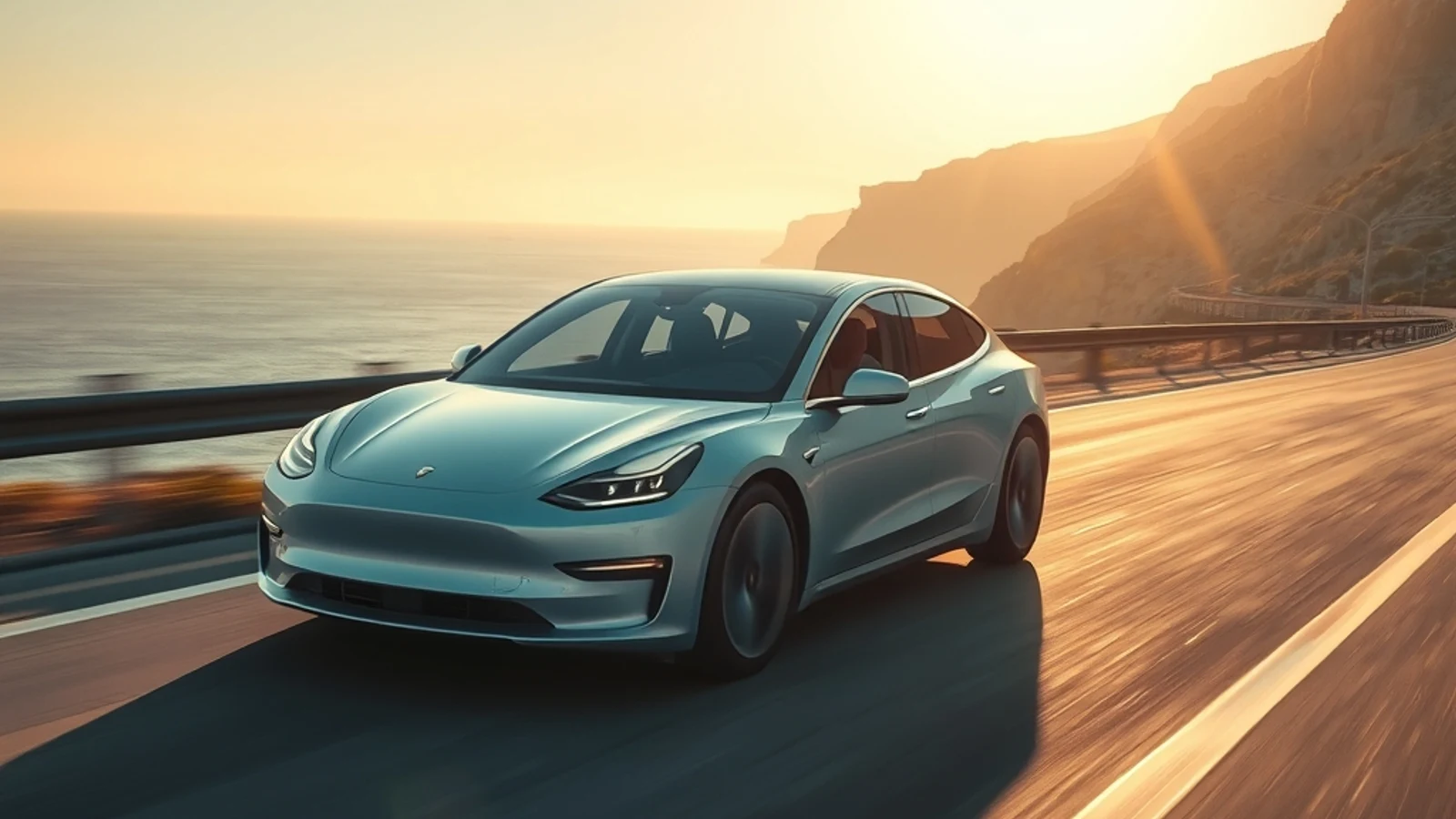
The next generation of the BMW 3 Series is shifting to an all-electric platform, with the brand set to revive the i3 moniker for this new four-door sedan. Unlike previous electric models that shared architecture with combustion-powered vehicles, the upcoming i3 will utilize BMW's dedicated Neue Klasse platform. The manufacturer intends for this new model to serve as a cornerstone of its electric vehicle lineup, distinguishing it from the existing combustion-powered 3 Series, which remains in production. Source
BMW has indicated that its sixth-generation eDrive technology will provide significant improvements over previous systems. According to the manufacturer, this updated architecture is engineered to deliver 30 percent more range and 30 percent faster charging speeds while achieving 25 percent greater overall efficiency. The vehicle will feature an 800-volt system and utilize new, energy-dense cylindrical battery cells designed for better packaging and lower vehicle height, which assists in minimizing aerodynamic drag. Source
Technical Specifications and Charging Capability
Technical data regarding the platform suggests it can support configurations with up to four motors, providing a performance ceiling between 268 and 1,341 horsepower. While official final output figures for the i3 have not been released, it is expected to offer both single-motor rear-wheel-drive and dual-motor all-wheel-drive variants. Current expectations for the new i3 include a full-charge range exceeding 300 miles and support for charging speeds surpassing 400 kilowatts on compatible DC fast-charging infrastructure. Source
Regarding interior and exterior design, the vehicle is anticipated to move away from the current prominent grille designs, favoring a more minimalist aesthetic as previewed by the Vision Neue Klasse concept. Inside, BMW has previewed features such as augmented reality windshield projection and expansive coast-to-coast dashboard displays. The company has also committed to incorporating more sustainable materials throughout the cabin, marking a departure from traditional luxury interior finishes used in previous sedan generations. Source
While BMW has not yet announced an official starting price, deductive estimates based on current model pricing—such as the 3 Series sedan starting around $45,000 and the i4 starting at $52,200—suggest the base i3 will likely launch in the $50,000 range. Prototype manufacturing is underway at the Munich, Germany facility. Production is scheduled to increase significantly during the latter half of 2026, positioning the vehicle for a market arrival as a 2027 model year entry. Source
Autonomous Vehicle Developments in California
Concurrent with the development of electric sedans, the Lucid Gravity robotaxi project has reached a testing milestone in the San Francisco Bay Area. Lucid, in partnership with Nuro and Uber, has initiated fully driverless operations on public roads in Palo Alto, Mountain View, Los Altos, and Sunnyvale. This follows approximately 11 months of supervised testing that began in December 2025 across the Bay Area and Houston. Unlike the previous phase, these vehicles now operate without a safety driver present. Source
The choice of these specific neighboring cities for driverless testing allows the companies to maintain a centralized operational footprint for servicing, charging, and vehicle monitoring. While testing will expand to additional undisclosed Bay Area cities throughout next year, the current program focuses on suburban and mid-density traffic environments to validate the Nuro Driver autonomy software. A full commercial launch for this robotaxi service is currently scheduled for the early portion of 2027. Source
Despite the progress in driverless testing, many specific details regarding the Lucid Gravity robotaxi program remain undisclosed. The companies have not provided public data regarding fleet size, passenger fares, or specific sensor hardware specifications. The current announcement confirms the system has met internal criteria to remove human intervention, but detailed safety statistics and operational costs are not yet available to the public or for industry evaluation models. Source
For comparison, other 2027 model year vehicles are maintaining standard internal combustion specifications. The 2027 Ford Mustang GT features a 480 HP V8 engine at 7,150 RPM with 415 lb-ft of torque. Meanwhile, the 2027 Ford Mustang Dark Horse offers an increased output of 500 HP at 7,250 RPM and 418 lb-ft of torque. Both models utilize a lead-acid battery and a 10-speed automatic transmission, reflecting a continued focus on high-performance combustion engine engineering in the current market cycle. Source
Additionally, the 2027 Tesla Model 3 remains a key fixture in the electric segment with a starting MSRP of $36,990. The vehicle is equipped with a lithium-ion battery system and provides 271 HP with 310 lb-ft of torque in its rear-wheel-drive configuration. These specifications contrast with the 2027 Toyota Crown Signia SUV, which utilizes a nickel-metal hydride battery for its hybrid drivetrain, producing 188 HP at 6,000 RPM and 178 lb-ft of torque, with an MSRP of $44,890. Source
The following table outlines key specifications for various 2027 vehicle models mentioned in recent reports, illustrating the diversity of power configurations currently available. Source
Model specifications across these categories highlight the distinct design directions taken by manufacturers. As the industry advances, the shift toward 800V architectures and autonomous platforms, such as those seen in the Neue Klasse and the Nuro-equipped Gravity, represents a transition in engineering priorities compared to the traditional performance metrics seen in combustion-based models like the Ford Mustang variants. Source

