
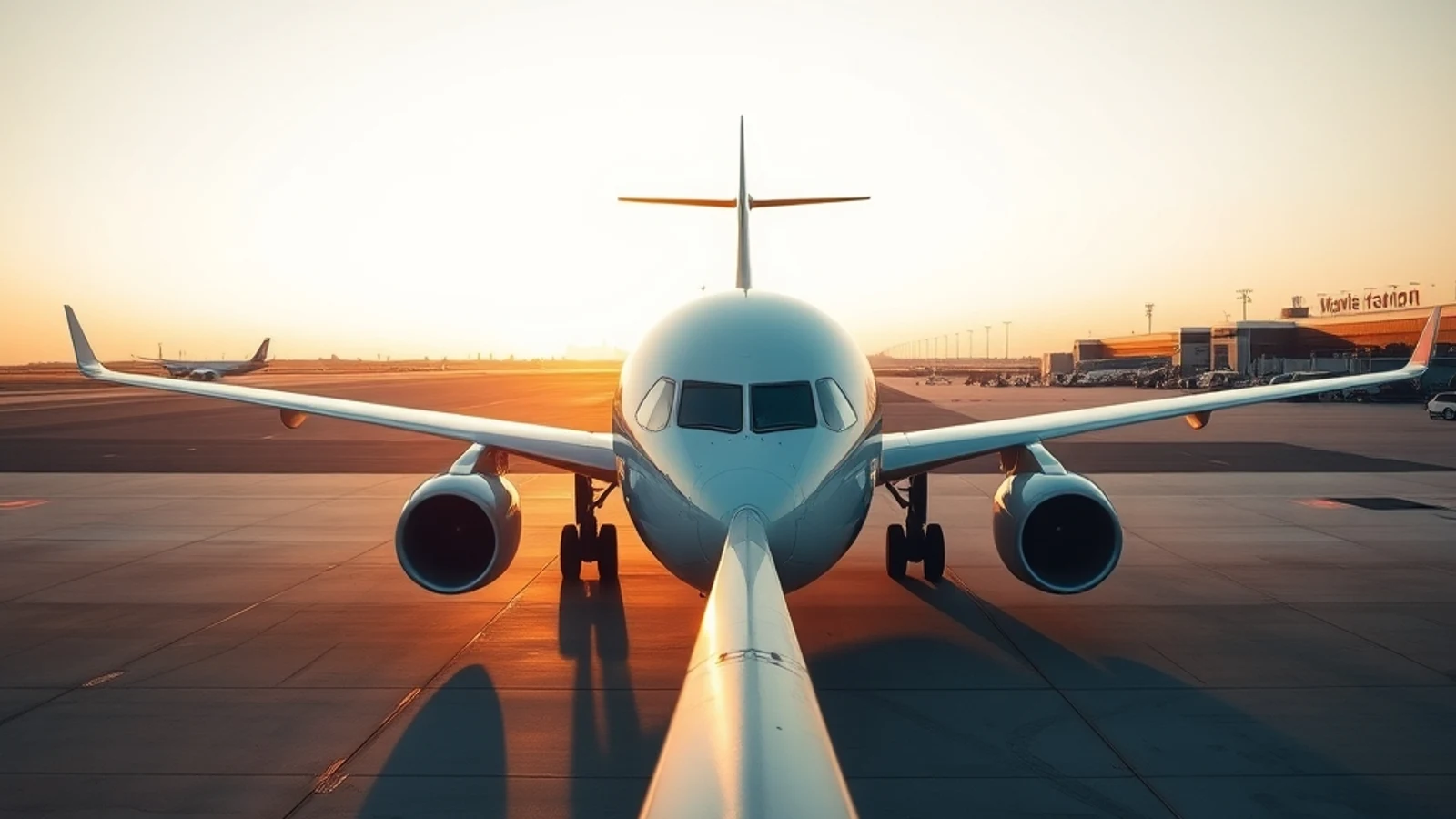
The Airbus A380 operates as a complex high-capacity aircraft that demands a structured approach to staffing. A typical long-haul commercial flight on this model carries between 20 and 30 crew members. While these specific staffing numbers are generally not published by airlines, industry observations and data from crew experiences provide a clearer picture of how these teams are structured. The statutory minimum for cabin crew is 16, a figure directly tied to the number of emergency exit doors installed on the aircraft's two decks. Source
For context, staffing numbers for other wide-body aircraft differ significantly. Reports from British Airways staff suggest that their A380 operations utilize 22 cabin crew members, whereas smaller wide-body aircraft like the Boeing 787 or 777 typically operate with 8 to 13 crew members. These numbers strictly refer to cabin crew and exclude the flight deck team. The specific staffing levels fluctuate based on the airline's quality of service, the flight duration, and the governing regulatory framework. Source
Regulatory Requirements and Staffing Dynamics
While flight deck operations for the A380 are standardized as a two-pilot model, the cabin crew requirements are governed by specific safety rules. Regulatory bodies, including the FAA and EASA, mandate that flight attendants be present whenever passengers are onboard an aircraft with more than 19 seats. This requirement is driven by the 90-second emergency evacuation rule. The number of required crew is determined by the total number of installed passenger seats, regardless of how many tickets are actually sold for a specific flight. Source
The installed seat count varies widely across global fleets. Singapore Airlines maintains an A380 configuration with 379 seats, while Emirates operates a high-density configuration with 615 seats, which necessitates at least 13 cabin crew. In a hypothetical maximum configuration of 853 seats, the aircraft would require 18 cabin crew to comply with basic safety ratios. The base FAA rule requires one flight attendant for every 50 installed seats, though actual operational levels for premium airlines are consistently higher. Source
Airlines must ensure that cabin crew are uniformly distributed throughout the aircraft to provide effective passenger egress. Because the A380 features two full decks, regulators treat each level as an independent cabin zone. This structure often means that basic calculations based on total seat count may actually undercount the necessary staffing. Furthermore, flight attendants are subject to flight duty period limits, which, when exceeded, require airlines to add augmented crews and provide dedicated rest facilities for rotations. Source
Under US FAA regulations, standard duty caps for flight attendants are set at 14 hours. If a flight exceeds this, specific incremental increases in the number of required cabin crew apply. Specifically, 14 to 16 hours requires one additional flight attendant, 16 to 18 hours requires two, and 18 to 20 hours requires three. These labor and safety rules are essential for maintaining the operational capacity of long-haul flights that define the A380 service model. Source
The United Arab Emirates is home to more than half of the world's A380 fleet, making GCAA regulations particularly relevant. Unlike US or European carriers where union agreements often add to base FAA or EASA rules, UAE-based airlines primarily rely on GCAA minimums combined with their internal service standards. These rules are tailored to support high-intensity, 24/7 hub-and-spoke operations, which may result in different cabin crew utilization patterns compared to airlines operating under EASA or FAA oversight. Source
Mainline carriers operating the A380 avoid the bare minimum staffing levels often seen in ultra-low-cost models. For economy class, airlines typically allocate one flight attendant for every 35 to 50 passengers. Premium cabins require higher ratios, often reaching one flight attendant per 12 to 18 business class passengers, and even higher ratios for first-class sections. Consequently, configurations drive the total headcount to levels well above the statutory safety minimum. Source
Comparative Analysis of Operational Staffing
Beyond passenger service, the B-1 Lancer, a prominent US military asset, requires a different crew structure. Operating this supersonic bomber involves a crew of four personnel. Two pilots—an aircraft commander and a co-pilot—occupy the front stations to manage flight operations. Two combat systems officers are positioned in the aft station to manage the jet's complex weapons systems, targeting pods, and defensive countermeasures. This four-person team is essential for executing the multi-mission capabilities of the aircraft. Source
The maintenance support for the B-1 Lancer is extensive compared to the flight crew itself. A single maintenance group at Ellsworth Air Force Base may encompass 1,500 professionals across four squadrons. Ground teams spend approximately five hours preparing each jet for a mission, and upon return, 10 maintenance specialists conduct a debrief. This logistical support structure is necessary to ensure the aircraft remains operational, contrasting with the passenger-focused regulatory mandates required for the Airbus A380. Source
In the live event and entertainment industry, the crew shortage is increasingly problematic. The workforce, comprising audio engineers, lighting riggers, and stagehands, is often booked on a show-by-show basis. As tours expand to include more shows without a corresponding growth in the available labor pool, production schedules are becoming increasingly difficult to manage. This sector also faces shifting regulatory requirements regarding contractor payments and the 1099 threshold, complicating the administrative side of crew management for operators. Source
The complexities of crew management are also visible in the yachting industry, where leadership and accountability are required. Captains must maintain professional standards to ensure safety and crew cohesion. When behavior issues arise, captains may explore contingency staffing options to protect the stability of their operations. Such management decisions, while occurring in a different context, emphasize the importance of having reliable, well-distributed crews to handle the demands of specialized operations, whether in the air or on the water. Source

