
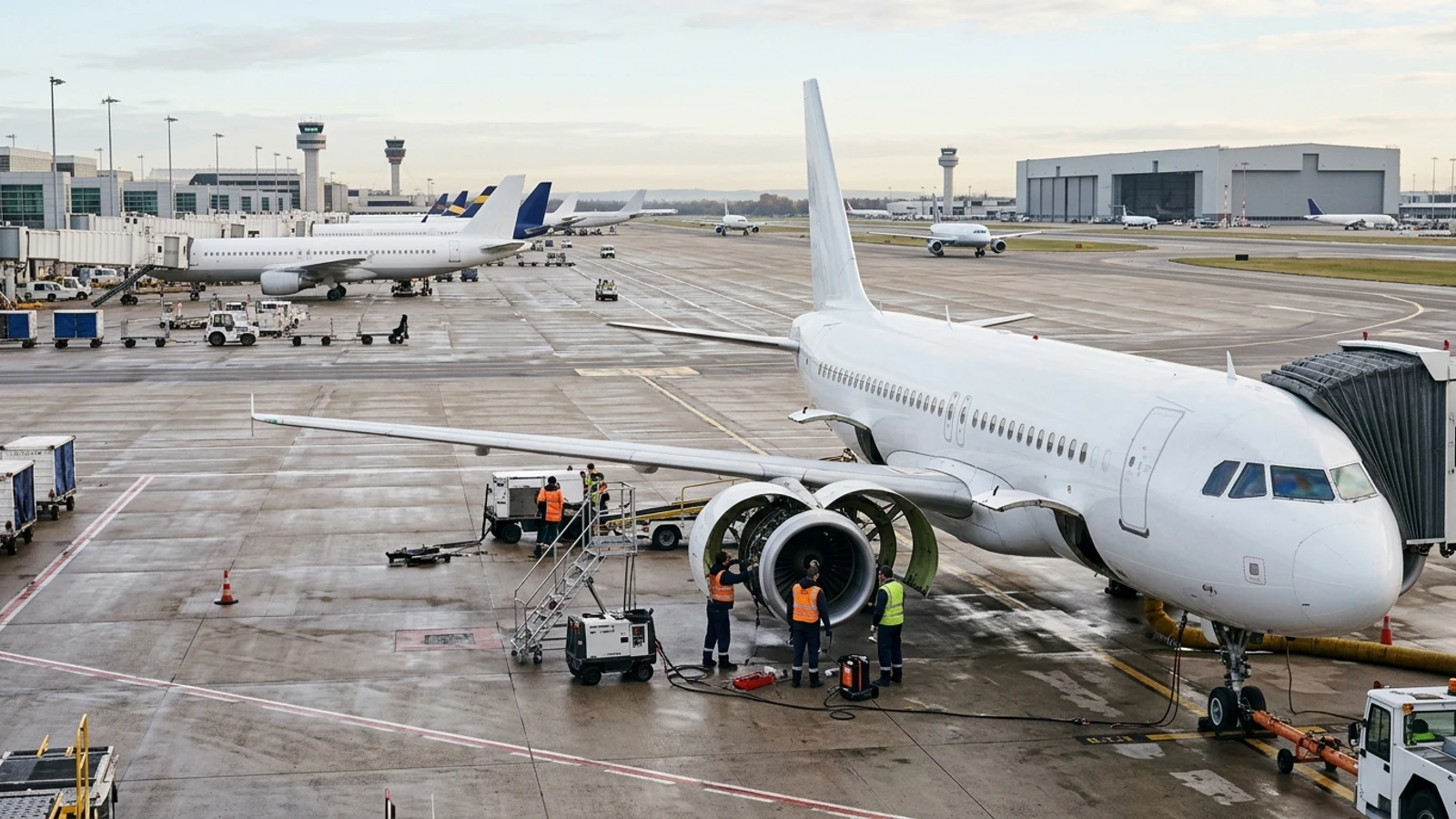
Global Operational Realignment
Commercial aviation faces a period of structural realignment as carriers navigate ongoing aircraft delivery delays and critical engine maintenance shortages. These supply-chain constraints have fundamentally altered how global operators manage their flight networks, pushing them to move away from heavy reliance on traditional, congested mega-hubs. Instead, airlines are adopting creative leasing structures and expanding direct point-to-point long-haul flights to maintain competitive advantages and protect connectivity while managing limited aircraft availability. Source
Airlines under pressure to act quickly are increasingly prioritizing point-to-point flying routes to avoid hub congestion. When manufacturer deliveries slip or engine overhauls stretch for months, operators are pairing extended lease terms with fuel-efficient, long-range narrow-body aircraft. Jets such as the Airbus A321XLR are becoming essential for opening direct intercontinental and transcontinental routes. This model allows airlines to match capacity more precisely to market demand without the necessity of filling massive widebody cabins during the initial service phases. Source
The leasing sector is reflecting these supply-chain stresses, with Ireland remaining at the heart of global aviation finance. Leading lessors manage a major share of the world's leased fleet from Dublin and its surrounding areas. As airlines turn to lessors to mitigate the impact of lagging deliveries and prolonged shop visits, shifts in Irish leasing economics have global implications. Higher borrowing costs, elevated maintenance expenses, and tighter supply have pushed lease rates upward while encouraging more frequent lease extensions among global carriers. Source
In India, rapid passenger growth continues to outpace aircraft deliveries, keeping domestic carriers heavily dependent on leased jets. Historically, this activity was structured offshore through established financial centers, increasing cross-border complexity. To keep financial value onshore, industry leaders and policymakers are focusing on the GIFT City International Financial Services Centre in Gujarat. Building predictable regulation, local financing, and technical asset-management skills will define how effectively Indian carriers scale domestic leasing capabilities over the coming decade. Source
Chinese airlines have adopted a distinct strategy by securing multi-hundred-aircraft orders spanning narrow-body, long-range, and widebody families. These commitments help lock in production capacity and protect long-term growth. These massive orders are coupled with rigorous engine and maintenance planning to ensure that aircraft entering service remain operational. Maintaining fleet commonality across different aircraft types allows these carriers to streamline pilot training, spare-parts inventories, and internal engineering workflows in a constrained environment. Source
Regional Operational Strategies
The United Kingdom presents a different set of challenges, specifically regarding slot-coordinated gateways like London Heathrow. These airports operate near strict movement limits where every schedule change is governed by scarce take-off and landing slots. When delivery delays or engine maintenance force aircraft into the shop, airlines cannot simply add spare flights. Carriers must instead carefully balance high-value transatlantic frequencies against short-haul feeder services, often choosing to upgauge aircraft to carry more passengers per flight movement to maintain their network integrity. Source
The following table summarizes the primary strategies adopted by airlines in key regions to manage current supply-chain bottlenecks and infrastructure limitations as reported by Travel And Tour World Aviation Discovery. Source
| Region | Strategy Focus | Operational Outcome |
|---|---|---|
| United Kingdom | Slot Management | Upgauging aircraft to protect high-value transatlantic routes |
| India | Onshore Leasing | Developing GIFT City to reduce offshore financial dependence |
| Ireland | Structured Finance | Anchoring global lease pricing and managing capital costs |
| China | Capacity Securing | Large-scale orders to guarantee long-term engine and jet supply |
Beyond regional adaptations, airlines are also employing sale and leaseback transactions to obtain required aircraft quickly. For airlines, manufacturer delays often result in lower revenues, tighter margins, and lost market share. By moving toward flexible, creative leasing structures, operators are protecting their ability to serve routes. The combination of protecting high-value slots in the UK, developing local leasing markets in India, and making long-term engine and aircraft commitments in China reflects a broader industry focus on agility. Source
Ultimately, the effectiveness of these strategies relies on consistent regulatory frameworks and disciplined fleet management. As lessors and airlines navigate volatile fuel costs and credit risks, they rely on specialized legal frameworks and tax treaties. The industry is currently transitioning from a period of high availability to one where asset scarcity creates a competitive advantage. Operators that successfully manage their engine maintenance bottlenecks and fleet availability will be best positioned to dominate in this unpredictable market. Source
The long-term impact of these shifts will likely result in a permanent change in how airlines plan their networks. The move toward direct point-to-point flights allows airlines to avoid the infrastructure costs associated with connecting hubs while serving thinner routes efficiently. As manufacturers resolve their shop turnaround times and spare-part availability issues, the focus may shift back toward expansion, but the current period remains defined by the need for extreme discipline in fleet usage and leasing arrangements. Source
Overall, the aviation market is demonstrating resilience through localized adaptation. Whether through building onshore financial ecosystems, utilizing multi-hundred-aircraft procurement, or strict slot management at high-traffic airports, airlines are finding ways to overcome supply-chain strain. The industry continues to reward those who can best mitigate delivery delays while ensuring that the right aircraft are in the right place to meet shifting passenger demand across international markets. Source

