
Aptera Motors has officially transitioned from a two-decade history of concept displays and prototype development to actual customer vehicle delivery. The company, which has spent years navigating name changes and fluctuating development timelines, has finally placed its first production vehicle into the hands of a buyer. This delivery marks the end of a long period during which the firm was primarily known for promising a lightweight, solar-integrated electric vehicle without having established a commercial retail path. Source
Production Delivery and Vehicle Specifications
The inaugural customer for the production Aptera is Martin Hartono, an Indonesian CEO who is recognized as the largest early investor in the company. His significant financial support and early involvement secured his position at the front of the queue, allowing him to receive the first completed unit. This development, as reported by Car and Driver, signals a functional shift in the operations of the manufacturer as it begins to move vehicles to customers outside of a test or development environment. Source
The vehicle delivered to Hartono features a distinctive matte black finish. Due to the international status of the buyer, the car is expected to be transported overseas, with destination plans pointing toward Indonesia. Once the vehicle enters public circulation there, it will operate as the first example of its kind in that specific market. The logistical process of shipping this unique three-wheeler highlights both the global nature of the company's early investor base and the challenges of regional automotive road laws. Source
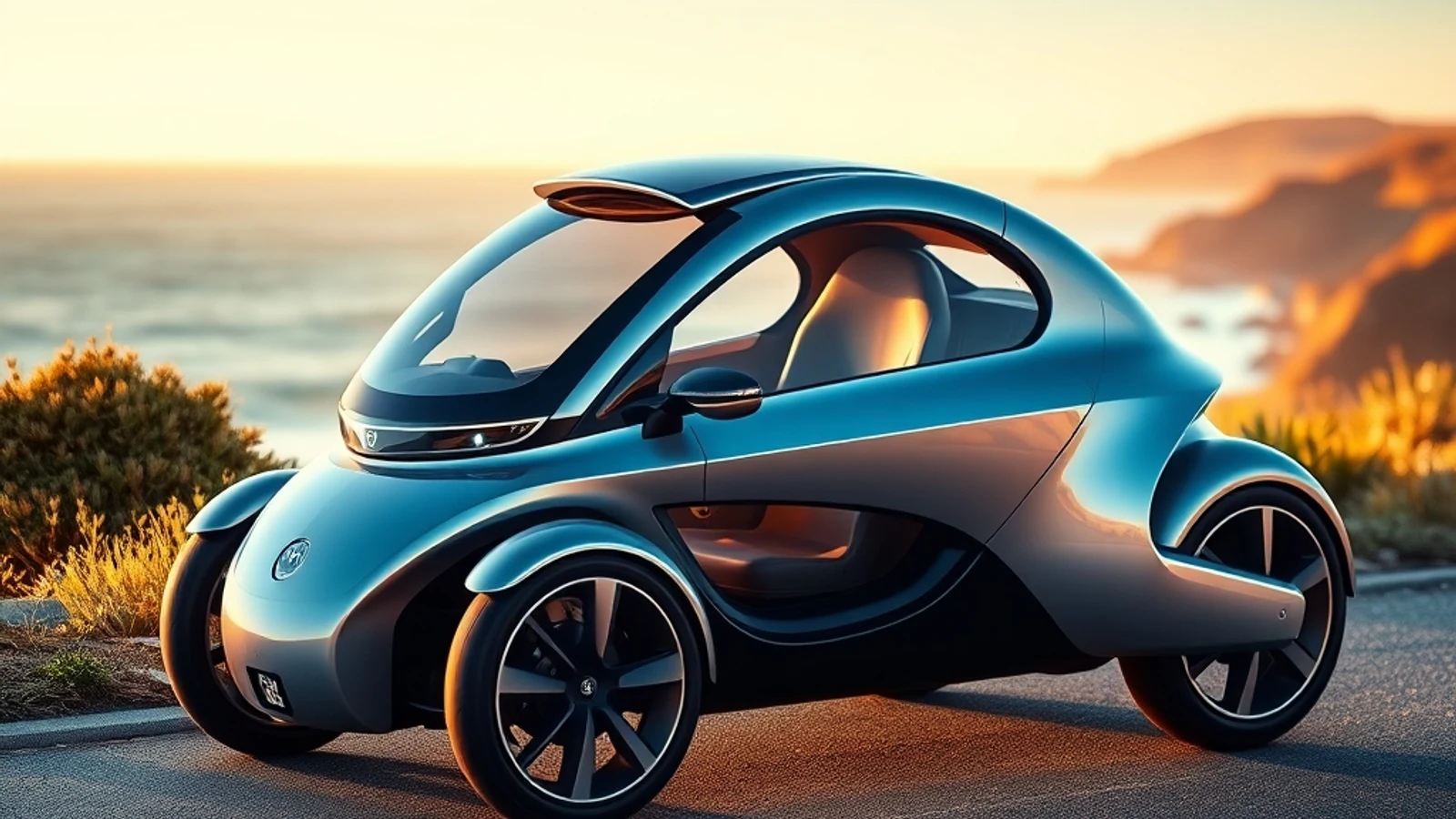
Designed with an aesthetic that evokes aircraft engineering rather than traditional automotive form, the Aptera utilizes a three-wheel configuration. The cabin is strictly limited to seating two occupants. A primary engineering focus for the vehicle was maintaining low mass; the manufacturer states a curb weight of 2200 pounds. This figure positions the car in terms of weight much closer to a Mazda MX-5 than to modern battery-electric sedans like the Tesla Model 3, emphasizing the focus on efficiency. Source
Technical specifications for the production unit include a 44-kWh battery pack designed to provide energy for the electric drivetrain. Regarding charging compatibility, the vehicle is equipped with a NACS-style charging connector. These hardware choices aim to support the vehicle’s intended efficiency, which is further aided by its aerodynamic exterior profile. The manufacturer claims this combination of low weight and slip-stream design will contribute to high overall energy efficiency during daily operation in various road conditions. Source
A central feature of the Aptera is its integrated solar panel array, intended to supplement the primary battery charging method. According to claims from the company, these onboard panels can generate enough power to provide up to 40 miles of additional range per day. This capability represents approximately 10 percent of the vehicle's projected 400-mile total range. Such features are envisioned to be particularly beneficial in regions with high solar exposure, such as the state of California. Source
Market Sustainability and Future Outlook
The current state of the company remains tied to the necessity of scaling up production significantly. While this delivery represents a milestone for Aptera Motors, analysts note that the company must increase sales volume substantially to maintain long-term financial viability. The transition from one-off customer deliveries to consistent manufacturing represents a difficult phase for any startup. The firm still faces a significant path ahead before it can achieve sustainable profitability or reach mass-market consumers at a broader scale. Source
The table below summarizes the key technical targets and specifications for the Aptera as reported by the manufacturer and discussed in the context of its initial delivery. Source
| Feature | Specification |
|---|---|
| Configuration | Three-wheeler |
| Seating Capacity | 2 people |
| Battery Capacity | 44 kWh |
| Stated Curb Weight | 2200 pounds |
| Total Range (Planned) | 400 miles |
| Solar Supplement | Up to 40 miles per day |
| Charging Connector | NACS-style |
The decision to deliver the first unit to an investor who intends to export it highlights the niche nature of the company’s current reach. Whether the vehicle can perform reliably in international traffic environments, such as those found in Indonesia, remains to be seen. The technical design and reliance on NACS charging infrastructure are optimized for North American markets, which may present unique interface considerations for owners operating the vehicle in regions with different grid standards. Source
Aptera Motors will likely face scrutiny regarding its ability to manage supply chains and production consistency now that the public-facing delivery phase has officially commenced. The company's history of changing deadlines for two decades implies a cautious outlook among industry observers who track the firm's progress toward full-scale operations. For now, the delivery to Martin Hartono serves as the first tangible evidence that the company can move from a digital or conceptual representation to a hardware reality. Source
Ultimately, the success of the platform will depend on how the vehicle handles the realities of day-to-day driving compared to the performance targets set by its engineering team. With a total range goal of 400 miles and the utility of daily solar charging, the Aptera presents a unique alternative to traditional electric automobiles. However, its success as a sustainable business entity depends on executing a consistent production model that satisfies demand far beyond its largest initial investors. Source

