
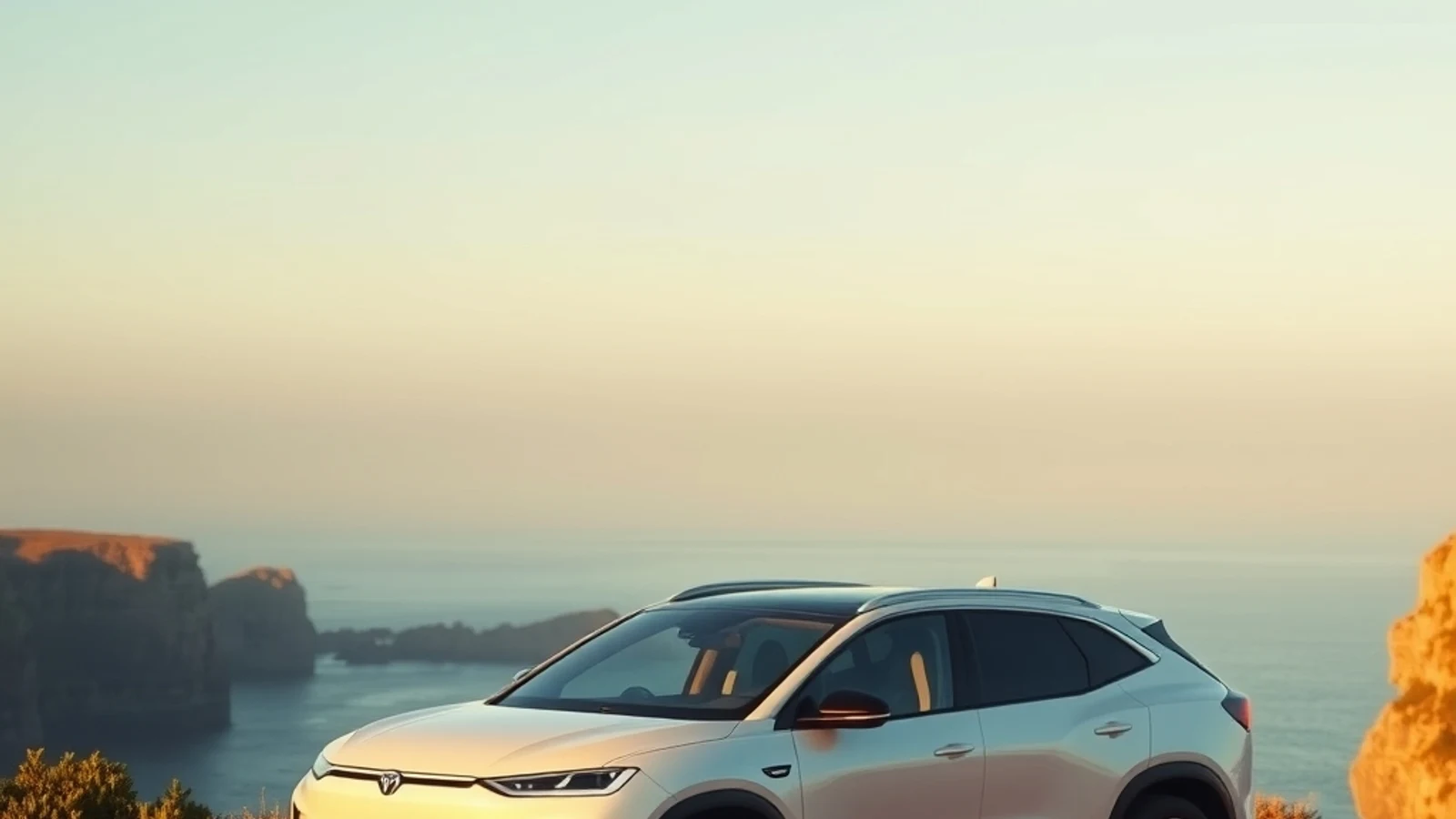
The automotive market for three-row crossovers is witnessing a significant shift as the Volkswagen Atlas approaches its tenth year of production in 2027. Volkswagen has implemented exterior design updates across the full-size Atlas and the two-row Atlas Cross Sport to commemorate this milestone. These adjustments are intended to sustain the vehicle's market relevance at a time when one of its primary competitors, the Toyota Highlander, is undergoing a substantial change in its product strategy. Source
The introduction of the Toyota Grand Highlander significantly altered the market positioning of the original Highlander model. According to reports from CarBuzz, the debut of this larger sibling signaled a decline for the original version, which is now slated to transition to an all-electric powertrain for the 2028 model year or late 2027. This move represents a strategic pivot for Toyota as it begins to address the growing presence of electric crossovers from other manufacturers. Source
Competitive Specifications and Market Positioning
A direct comparison of the 2026 model year offerings highlights the competitive nature of this segment. Both the Volkswagen Atlas and the Toyota Highlander currently utilize turbocharged four-cylinder engines and feature all-wheel drive as standard equipment. While the Atlas has been pared down to a single turbocharged engine option, the Highlander retains a hybrid powertrain choice. Toyota’s model also distinguishes itself by offering individual second-row captain's chairs to prospective buyers in the segment. Source
Sales data indicates that the Volkswagen Atlas successfully surpassed the Toyota Highlander in annual volume during 2025. Current year-to-date tracking through September 2026 shows the Highlander lagging behind by 2% compared to the Atlas, which itself reported a marginal decline of 0.5% during the same period. Analysts expect the Atlas to maintain its sales lead through the conclusion of 2026, even if Toyota implements aggressive year-end incentives to move its remaining gasoline-powered inventory. Source
The following table illustrates the key powertrain and configuration differences identified for the 2026 model year vehicles currently competing in the midsize SUV market segment: Source
| Feature | Volkswagen Atlas (2026) | Toyota Highlander (2026) |
|---|---|---|
| Engine | 2.0L Turbo I4 | 2.4L Turbo I4 or 2.5L Hybrid |
| Drivetrain | AWD Standard | AWD Standard |
| Second Row Seating | Bench/Captain's Chairs | Individual Captain's Chairs |
| Market Status | Active / Refreshed | Final Year / Hiatus for 2027 |
The evolution of the Toyota Highlander model line has seen the elimination of base LE trim levels. This change has effectively increased the starting price point for the vehicle, positioning it above several mainstream competitors. CarBuzz notes that while the Highlander retains a loyal following, the strategy of removing lower-cost entry points may create challenges against vehicles like the Atlas, which continues to provide a broad range of standard equipment and power options at competitive price levels. Source
Volkswagen’s approach to the Atlas lineup has been marked by consolidation. Similar to the Highlander, the Atlas previously offered a naturally aspirated six-cylinder engine, which was eventually discontinued in favor of the current 2.0-liter turbocharged four-cylinder engine. While this engine is viewed by some as sufficient for daily operation, it remains a point of contention for some brand enthusiasts who prefer the character of the older VR6 configuration that previously occupied a space in the Volkswagen lineup. Source
Strategic Pivot Toward Electrification
Looking ahead to the 2028 model year, Toyota is preparing to re-enter this segment with a dedicated electric vehicle. This upcoming model will shift focus away from traditional gasoline-powered rivals and instead target new market entrants such as the Kia EV9 and the Hyundai Ioniq 9. By entering this electric space earlier than some competitors, Toyota intends to capture a new segment of buyers, marking a transition from its traditional internal combustion strategy for the Highlander nameplate. Source
The Atlas maintains a strong position in the Volkswagen lineup without significant internal competition from other models, having successfully replaced the larger Touareg in the United States showroom years ago. As dealers prepare to receive the 2027 models, focus remains on clearing out remaining 2026 inventory. This inventory transition represents a standard industry cycle, yet for the Highlander, it signifies the final steps for the current gasoline-powered iteration before the model enters a production hiatus. Source
Although the Highlander has a historical record of significant success, selling over 250,000 units annually five years ago, the rise of the Grand Highlander within the brand's own portfolio has diluted these figures. By 2025, the Grand Highlander had officially eclipsed the original Highlander in annual sales. This internal sales cannibalization, combined with the brand's electrification roadmap, underscores the changing priorities within Toyota’s global and regional product development strategy as it moves through late 2026. Source
Ultimately, the competition between these two vehicles serves as a reflection of broader industry trends. While Volkswagen focuses on refining its established Atlas for continued longevity, Toyota is opting for a disruptive technological shift. The coming years will demonstrate whether the legacy of the Highlander can successfully transition to an electric-only format, or if current market leaders like the Atlas will continue to consolidate their hold on the segment in the absence of traditional gasoline-powered competition from Toyota. Source

