
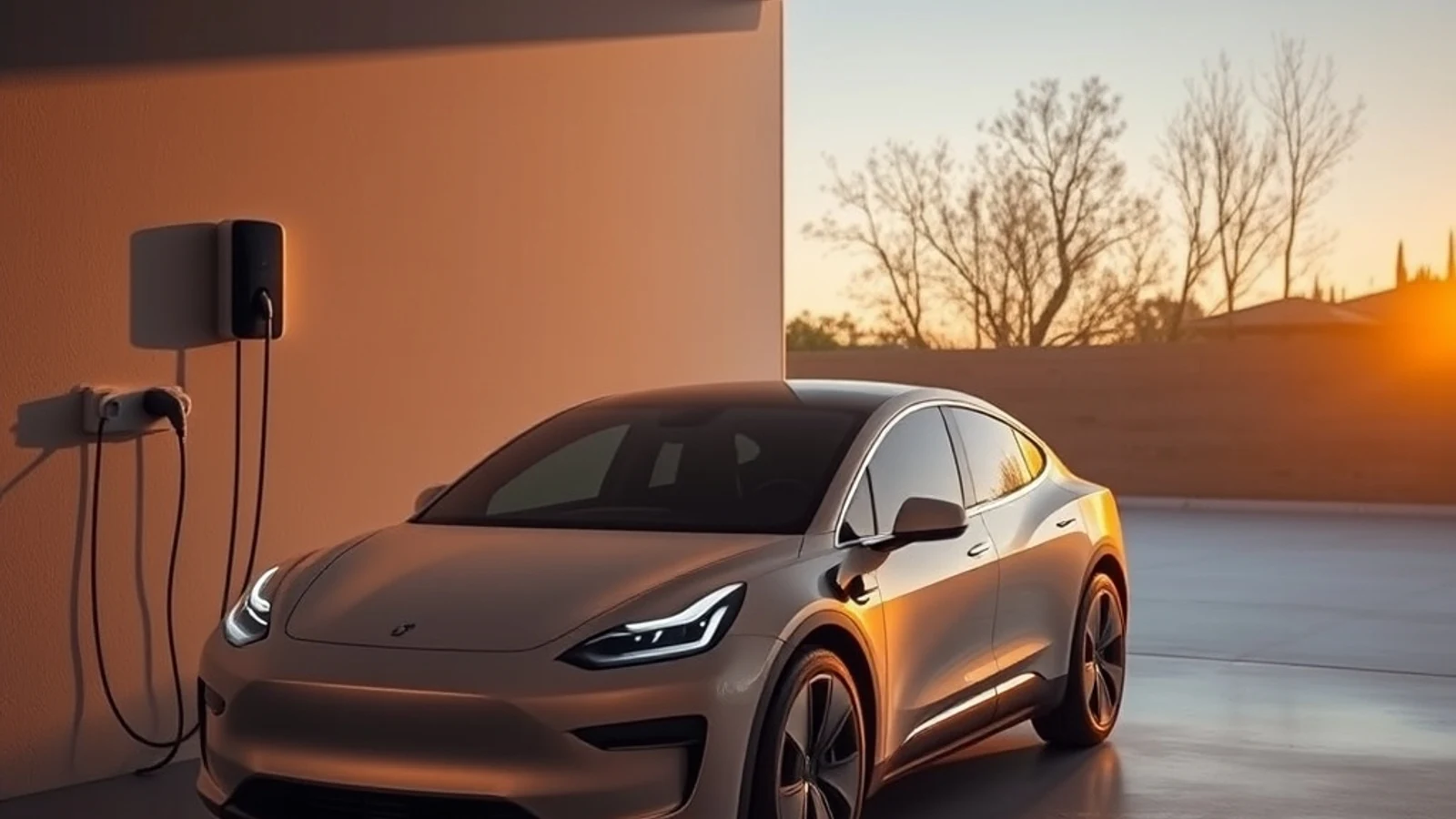
The EVIQO Level 2 EV charger is designed for use with electric vehicles that utilize the SAE J1772 charging standard, such as models from Rivian. This home charging hardware provides two distinct installation pathways, allowing owners to customize their power delivery based on their electrical infrastructure and speed requirements. According to information provided by Teslarati, the device is marketed as a versatile solution for residential setups, accommodating different installation preferences and site conditions. Source
Installation Specifications
For users seeking maximum charging output, the hardwired installation route allows for a power delivery of up to 48 amps. Teslarati reports that this configuration can provide approximately 11.5 kW of power at 240 volts. Achieving this performance level requires the assistance of a licensed electrician to perform the necessary wiring, ensuring the installation meets local safety standards and the device's technical requirements. This approach serves owners who have existing high-amperage capacity available in their electrical panels. Source
Alternatively, the charger can be installed using a NEMA 14-50 plug-in method, which is intended for scenarios where a simple, tool-free setup is preferred. This configuration supports up to 40 amps and offers approximately 9.6 kW of power at 240 volts. This method does not require an electrician for wiring, as it utilizes a standard NEMA 14-50 outlet. This flexibility is a notable feature for residential users who may not wish to permanently modify their garage electrical systems. Source
The charging performance provided by the device varies by installation type. Teslarati notes that the hardwired setup delivers up to 46 miles of range per hour, whereas the NEMA 14-50 plug-in configuration provides up to 38 miles of range per hour. These figures are based on manufacturer claims regarding charging speed and energy transfer efficiency during standard operation. Prospective buyers should consider these performance differences when deciding which installation method best suits their daily driving requirements. Source
The hardware is enclosed in an IP66/NEMA-4 rated weatherproof housing, which is designed to protect the internal components from environmental factors such as rain, snow, heat, and dust. This ensures the charger can be safely installed in various locations, including garages, basements, or outdoor settings. The SAE J1772 connector is described as fully rubberized and includes a durable metal latch to ensure a secure and ergonomic connection to the vehicle's charging port during use. Source
Connectivity and control are managed through the EVIQO smartphone app, which is available on both the Apple App Store and Google Play. This app allows owners to manage their charging sessions remotely. The unit features an enhanced Wi-Fi antenna, which is specifically designed to maintain a stable internet connection even when the device is placed in challenging environments like garages or basements where signal strength might otherwise be insufficient. Source
Technical Comparison and Features
Teslarati lists the device with a sale price of $299.00, down from a regular price of $499.00. The item includes a standard 3-year warranty option for purchasers. This marketplace listing is presented as part of a promotional cycle, with additional information on rewards and service coverage available through the publisher's website. The data provided reflects current commercial availability as documented on the Teslarati shop platform for non-Tesla electric vehicle owners. Source
To assist with the selection process, the following table summarizes the key electrical and performance specifications associated with the EVIQO charger's two installation modes: Source
| Feature | Hardwired Installation | NEMA 14-50 Plug-In |
|---|---|---|
| Max Amperage | 48A | 40A |
| Power Output | ~11.5 kW | ~9.6 kW |
| Max Range/Hour | ~46 miles | ~38 miles |
| Electrician Needed | Yes | No |
The provided specifications highlight the trade-off between the increased power of a hardwired connection and the convenience of the plug-in option. The requirement for a licensed electrician for hardwired setups is a specific condition for ensuring the installation supports the full 48-amp current capacity safely. Conversely, the plug-in option remains a user-installable solution suitable for existing NEMA 14-50 infrastructure, providing a lower but still substantial charging rate for daily residential use. Source
Regarding durability, the IP66/NEMA-4 enclosure rating signifies that the unit is capable of withstanding significant exposure to elements such as water spray and dust, making it suitable for both indoor and outdoor residential environments. The physical interface includes a SAE J1772 connector, which is standard for most non-Tesla EVs in the North American market, ensuring compatibility with a wide range of vehicles, including Rivian models as explicitly referenced in the product documentation. Source
The integration of smartphone control via the EVIQO app serves to modernize the charging experience by providing status updates and charging session management directly to the user's handheld device. With the inclusion of an enhanced Wi-Fi antenna, the system aims to solve common connectivity issues often faced when installing home charging hardware in detached garages or basement areas, where wireless signals may be weak, thereby improving the overall reliability of the system's smart features. Source

