
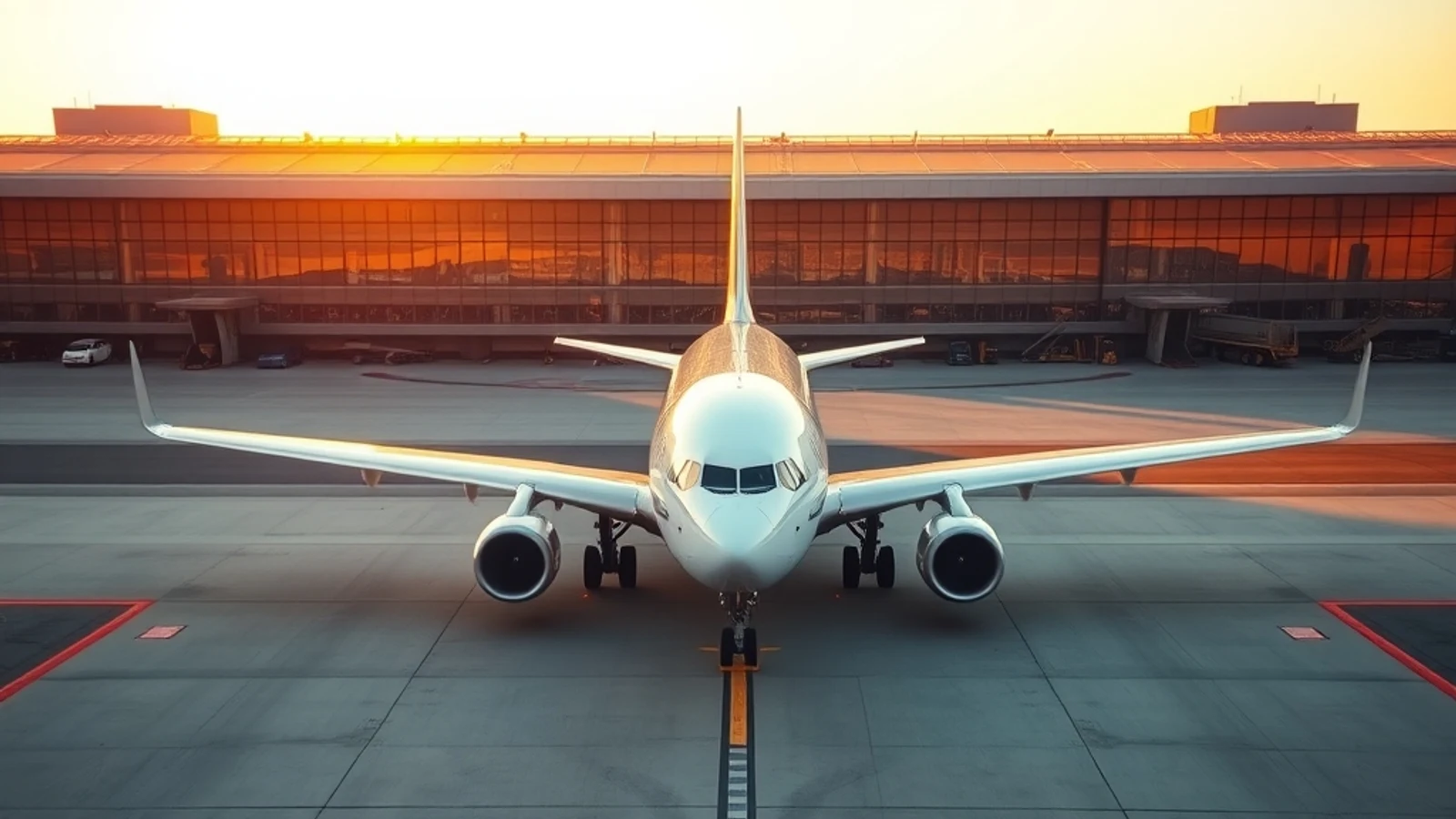
British Airways is currently navigating a significant fleet transition at London Heathrow, aiming to replace its 43 Boeing 777-200ER aircraft. These jets, which have served as the foundation of the airline's long-haul network, average roughly 26 years of age. While British Airways has not provided a specific retirement date or a definitive route-by-route replacement schedule for these aircraft at Heathrow, the airline has indicated that the transition will rely on newer, more efficient models to maintain operations at the slot-constrained hub. Source
The replacement strategy involves a mix of Airbus A350-1000 and Boeing 787-10 aircraft, with the long-delayed Boeing 777-9 expected to join the fleet later. Simple Flying Aviation Discovery notes that the Airbus A350-1000 is already being deployed on specific routes, including the Heathrow-Nashville service which saw the aircraft replace the 777-200ER starting March 29, 2026. This move demonstrates the airline's strategy of utilizing larger, more modern aircraft to increase seat capacity and cargo hold volume without requiring additional landing slots at the heavily constrained Heathrow airport. Source
Efficiency gains represent a significant motivator for this fleet renewal. According to Airbus, the A350 family offers a 25% advantage in fuel burn, operating costs, and carbon emissions compared to previous-generation competitors. By incorporating advanced aerodynamics, lightweight materials, and more efficient engines, British Airways expects to optimize its long-haul operations. The 787-10 variants, meanwhile, are also being tailored for the airline's requirements, with newer orders featuring increased gross weight modifications and necessary crew rest bunks to expand the aircraft's viable route network. Source
The Gatwick hub follows a clearer path, with CEO Sean Doyle confirming in a February 27, 2026 message that the first new Boeing 787-10 will arrive there in 2029. Current planning suggests that up to 17 aircraft could be based at Gatwick once these new jets arrive, focusing on leisure-oriented destinations. Unlike the existing fleet, these new 787-10s are not expected to feature a First class cabin. This shift highlights a strategic distinction between British Airways' operations at the two primary London airports, with Gatwick catering to different market segments while relieving capacity pressure on Heathrow. Source
The Boeing 777-9 remains a central yet uncertain component of the long-term fleet plan. As of November 2026, the 777X program continues to face certification delays, with original service targets significantly missed. With 24 of these aircraft on order, British Airways positions the 777-9 as a flagship replacement for its largest long-haul needs, but its arrival remains tied to successful certification and delivery milestones, which are currently projected for the latter part of the 2020s and early 2030s. Source
While the fleet transition moves forward, British Airways has faced recent operational hurdles. On November 17, 2026, a Boeing 787-10 Dreamliner (registration G-ZBLF) scheduled for a flight to Lagos veered off a taxiway at Heathrow and became stuck in a grass verge during pushback. The incident resulted in the cancellation of that flight and its return service, requiring passengers to be bussed back to the terminal. No injuries were reported, and the incident prompted a review of ground maneuvering procedures at the airport. Source
In addition to taxiway mishaps, technical challenges have also impacted service reliability. On a separate occasion, flight BA95 to Montreal, operated by a 787-8, was forced to return to Heathrow following a technical issue involving the aircraft's flaps or slats. After declaring a general emergency and receiving priority handling, the aircraft landed safely at Heathrow, and the flight was subsequently cancelled. The airline provided rebooking assistance for the affected passengers, highlighting the logistical complexities of managing an active long-haul fleet during a period of transition. Source
The operational reliability of the aging 777-200ERs compared to the newer Dreamliners remains a point of observation for the industry. While newer aircraft offer superior efficiency, they are not immune to ground or system incidents. For passengers, the primary impact of the fleet transition involves potential changes to cabin products, specifically regarding the availability of a First class cabin on routes switching to A350-1000 or 787-10 equipment, as these configurations differ from the traditional four-class layout of the older 777-200ERs. Source
Fleet Strategy and Transition Platforms
To provide a clearer overview of the aircraft types currently influencing the fleet transition, the following table summarizes the key replacement platforms and their strategic roles within British Airways' long-haul network at London airports. Source
| Aircraft Model | Primary Role | Status/Notes |
|---|---|---|
| Airbus A350-1000 | Heathrow Capacity/Efficiency | Currently replacing 777-200ER on select routes |
| Boeing 787-10 | Gatwick Leisure Growth | 2029 Gatwick delivery confirmed |
| Boeing 777-9 | Long-haul Flagship | Pending certification; delivery expected from 2027 |
The interplay between Boeing 777-9 certification and the retirement of existing 777-200ERs creates a flexible rather than rigid timeline. If the 777-9 faces further delays, the airline may extend the service life of its younger 777-200ER airframes. This strategy allows British Airways to mitigate the risk of capacity gaps at Heathrow. Passengers should anticipate that the exact aircraft assigned to specific routes may shift based on fleet availability and the gradual arrival of newer, higher-capacity aircraft. Source
Ultimately, the fleet upgrade is aimed at reconciling the airline's need for growth at a slot-constrained hub with the demand for lower operating costs. By moving from a fleet dominated by older, maintenance-intensive 777-200ERs to a more varied, modern widebody fleet, British Airways expects to standardize its cabin products, particularly with its Club Suites. While the loss of First class on certain leisure-heavy routes remains a concern for some premium travelers, the airline balances this with the improved reliability and passenger comfort of newer, cleaner designs. Source

