
Operational Impact and Technical Disruption
Delta Air Lines encountered a substantial operational disruption on 22 November 2026, when a failure in an automated system responsible for aircraft weight-and-balance calculations hindered flight preparations nationwide. This specialized technology is critical for ensuring that passenger loads, checked baggage, cargo, and fuel distribution remain within approved safety limits prior to departure. The unexpected technical fault forced airline staff to transition to manual procedures, which required additional processing time and coordination, ultimately slowing the departure of aircraft across the company’s extensive flight network. Source
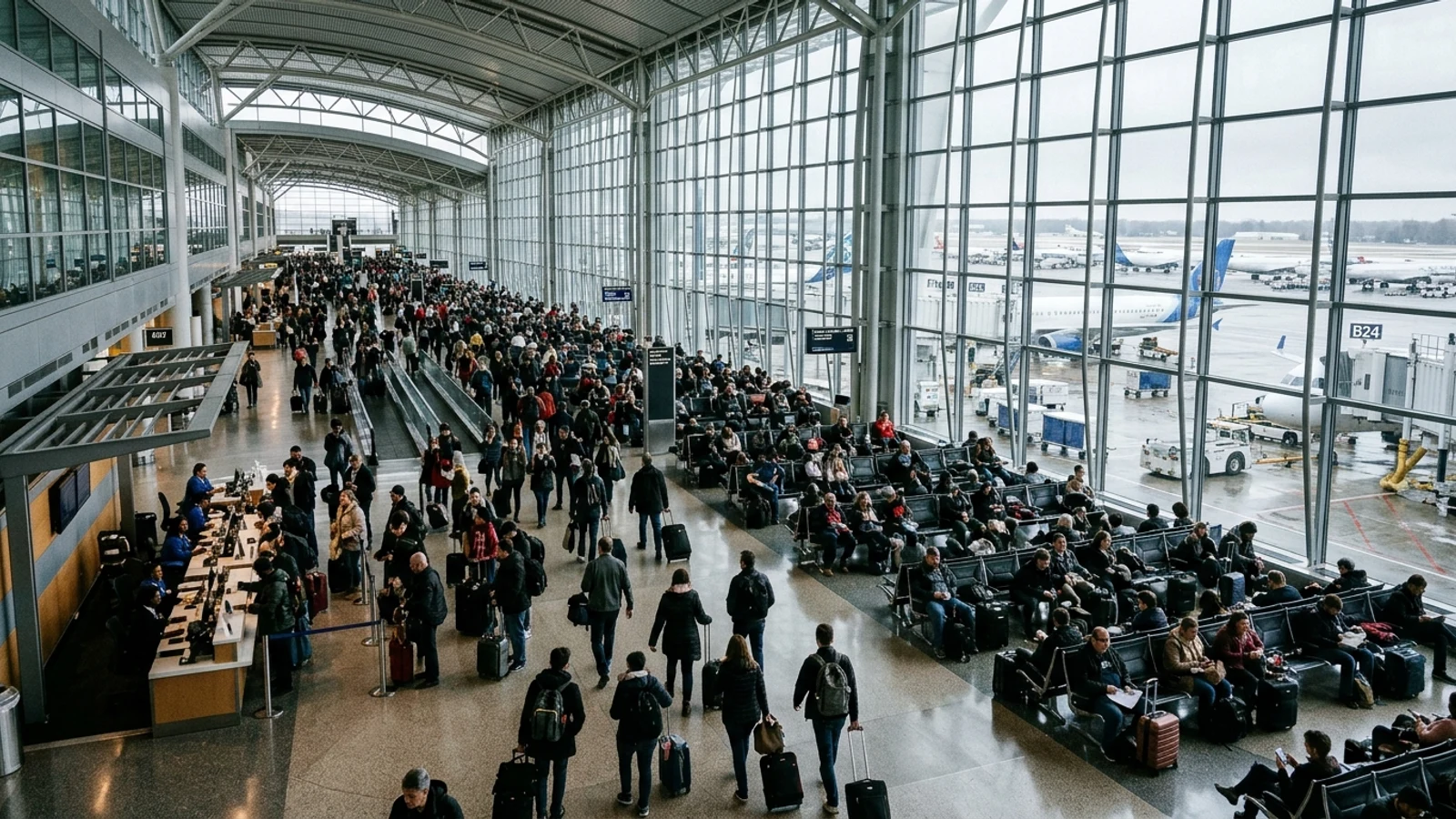
The operational difficulties were felt most acutely at Hartsfield-Jackson Atlanta International Airport, which serves as the primary connecting hub for Delta. Because Atlanta is integral to the airline's network, the ripple effect of the technical issue led to significant delays for both domestic and international travelers. During the peak of the event, the Federal Aviation Administration (FAA) intervened by issuing a temporary ground stop for Delta flights bound for the hub, which was subsequently converted into a ground delay program to manage congestion until operations could stabilize. Source
Quantifiable data regarding the scale of the disruption fluctuated throughout the day as the situation developed. By midday Eastern Time, reports indicated that approximately 1,160 Delta flights had experienced delays across the United States. Of this total, 712 flights were associated with operations at Atlanta. Earlier in the day, industry trackers had identified roughly 700 delayed flights, accounting for nearly one-fifth of the airline's scheduled departures at that time. These shifting figures demonstrate the unfolding nature of the incident rather than a finalized total for the day. Source
While manual workarounds were implemented to maintain safety and allow departures to continue, these procedures were inherently slower than the automated systems. The FAA confirmed that the technical fault was entirely internal to Delta and was not related to the agency’s own air traffic control systems. During the height of the ground delay program, flight arrivals into Atlanta faced average delays of 57 minutes. It is important to note that these administrative measures were specifically targeted at Delta’s fleet and did not constitute a closure of the entire airport facility. Source
The following table provides a snapshot of the reported delay and cancellation figures at specific locations and nationwide as of mid-afternoon on 22 November 2026, according to available industry tracking data. Source
| Metric | Reported Value | Notes |
|---|---|---|
| Nationwide Delta Delays | ~1,000 to 1,300 | Mid-afternoon estimates |
| Atlanta Airport Delays | 681 | Midday report |
| Delta Percentage of Scheduled Flights Delayed | >40% | Early afternoon total |
| Average Ground Delay in Atlanta | 57 minutes | Under FAA program |
| Estimated Nationwide Cancellation Rate | 2% | Based on mid-afternoon data |
The timing of this incident was particularly challenging as it coincided with the commencement of the Thanksgiving travel period, one of the busiest times of the year for American aviation. Projections from the AAA suggested that nearly six million Americans would travel by air during the holiday timeframe. Atlanta airport specifically had prepared to manage over four million travelers between 19 November and 1 December. The vulnerability exposed by the weight-and-balance system failure highlights the dependence of large carriers on interconnected technology for scheduling and dispatch. Source
Beyond the Atlanta hub, other airports felt the impact of the centralized system error. For example, Minneapolis-St. Paul International Airport reported over 150 delays by midday, with 120 of those specifically involving Delta operations. As the airline worked through the day to resolve the automation issues, it coordinated with air traffic control to prevent tarmac congestion. By later in the afternoon, the airline reported that the automated system had been restored, though recovery operations for the flight schedule remained ongoing. Source
Delta representatives stated that roughly 70% of the total disruptions recorded by tracking services were directly linked to the technical glitch, while the remaining balance was attributed to inclement weather conditions. To support passengers impacted by the delays, the airline initiated standard recovery procedures, including the rebooking of affected segments, the provision of hotel accommodations, and the distribution of meal vouchers where deemed necessary. Passengers whose flights were ultimately canceled were also offered options for refunds under official Department of Transportation guidelines. Source
Recovery and Industry Context
This incident occurred in close proximity to other aviation technology issues that gained national attention in November 2026. A prior communications failure on 13 November resulted in a broad nationwide ground stop, and a separate technical problem affected United Airlines on 16 November. While these events have caused significant frustration for holiday travelers, the FAA has explicitly maintained that there is no shared cause linking the specific 22 November Delta system failure to these previous industry incidents. Source
Passengers are advised to exercise caution when assessing their travel status and to verify their specific itineraries directly through Delta’s official mobile application or airport information desks. Because connecting flights are particularly vulnerable to cascade delays, travelers with complex segments should verify every individual flight rather than assuming a single delay report covers the entire journey. Travelers holding tickets that involve international connections should be particularly diligent in checking for updated flight times, as these routes often involve less frequent service frequency. Source
Looking forward, the incident serves as a case study for the risks inherent in highly automated dispatch environments. While manual workarounds remain an essential component of contingency planning, the increased processing time required in a hub-and-spoke operation can generate significant secondary delays. Delta has not announced any specific policy updates regarding its automation software in the immediate aftermath, though the event underscored the importance of maintaining robust contingency staffing levels at major hubs during peak holiday travel periods. Source

