
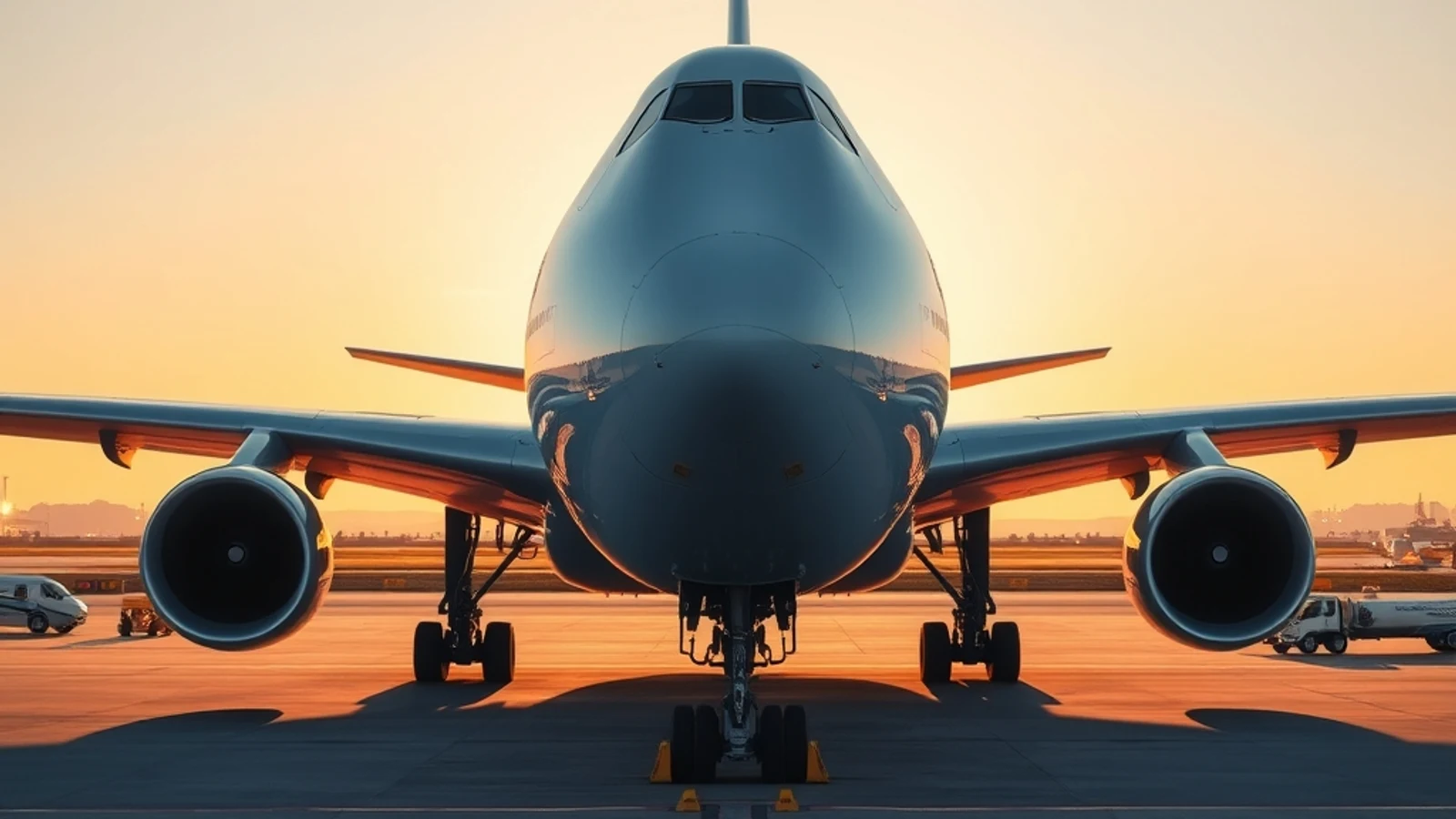
Emirates continues to invest heavily in its Airbus A380 fleet, despite facing substantial hourly maintenance and fuel costs. Industry estimates place total operating expenses for these aircraft between $40,000 and $55,000 per flight hour, a figure that fluctuates based on mission length and fuel pricing. Within these operational costs, fuel represents the largest component, typically accounting for $20,000 to $26,000 per hour, while maintenance and engineering require $8,000 to $12,000 hourly to manage the complexity of four-engine operations. Source
The airline is currently navigating a $5 billion cabin interior overhaul program that impacts 219 aircraft, including 110 A380s and 109 Boeing 777s. This program, initially designed for a smaller fleet subset, expanded in May 2024 to accommodate longer wait times for new aircraft deliveries. Each A380 retrofit requires approximately 33,000 work hours over a 21-day period, utilizing over 4,000 new parts per aircraft. By April 2026, the carrier had completed work on 100 aircraft, with a goal to finish more than half of the total fleet overhaul by December 2026. Source
Operating the A380 in 2026 has introduced unexpected technical and financial burdens. In October, the Federal Aviation Administration issued an order for turbine seal replacements on Engine Alliance GP7200 engines, the powerplant used by most Emirates A380s, following an uncontained engine failure. Industry analysts estimate that compliance with this directive may cost up to $528,150 per affected engine. Furthermore, structural integrity inspections in June 2026 required unscheduled maintenance on 15 Emirates-operated A380s due to cracks in key wing components. Source
The following table details common operational cost estimates per flight hour for the A380 fleet in 2026, as reported by industry analyses. Source
Despite these costs, the airline maintains that the A380 is a core revenue-generating asset for its network. Emirates aims to keep roughly 110 superjumbos in active service by the end of 2026. This capacity is vital for major trunk routes at slot-constrained airports, where replacing high-capacity frames with smaller twin-engine jets would force the airline to increase flight frequencies or potentially lose market share during peak travel periods. Source
Broader financial results for the six-month period ending September 30, 2026, reveal a more challenging environment. The airline group reported a 66 percent decrease in profit before tax to $1.1 billion, partly attributed to rising fuel prices. Passenger seat factor dropped to 72 percent, compared to 79.5 percent in previous periods, indicating approximately 28 percent of available seats were flying empty. This excess capacity provides travelers with potential opportunities for award bookings and sale fares on routes that have returned to service. Source
The airline's network is currently at 91 percent of pre-conflict levels, serving 150 airports across 78 countries. While the passenger side faces lower seat factors, cargo operations have shown strength, with revenue increasing 52 percent on flat tonnage of 1.2 million tonnes. The airline continues to expand its offerings, including the roll-out of Starlink Wi-Fi to 57 aircraft by the conclusion of the half-year period. Source
For travelers looking to book travel through Dubai, the carrier advises checking current route status before finalization. The wide availability of seats resulting from the 72 percent load factor creates a different market environment for passengers compared to periods of higher demand. Travelers should confirm the specific aircraft assigned to their route, as the ongoing cabin retrofit program continues to modernize interiors with new seat layouts and amenities. Source
In addition to its A380 operations, Emirates relies heavily on the Boeing 777-300ER, owning 116 units. Business class ticket prices on these aircraft vary widely, typically ranging from $1,000 to over $3,000, depending on route, booking time, and demand. The airline offers three distinct business class fare tiers—Saver, Flex, and Flex Plus—which share the same cabin experience but differ in terms of flexibility, cancellation fees, and loyalty mile accumulation. Source
Emirates acknowledges that the legacy 2-3-2 business class configuration on older 777 aircraft is less desirable than the modern 1-2-1 layout found on retrofitted jets. The current cabin modernization program aims to resolve this inconsistency, ensuring that premium passengers receive direct aisle access across both A380 and 777 fleets. Passengers are encouraged to review specific flight configurations through airline booking tools to determine if they are selecting a retrofitted or legacy product. Source
Long-term fleet strategy remains focused on the A380 until approximately 2041. While geopolitical and economic volatility test the profitability of this commitment, leadership views the capacity advantages as indispensable. The ultimate success of this approach depends on the behavior of jet fuel prices and the timely arrival of future widebody replacements, such as the Boeing 777X, which are essential for maintaining current network capabilities. Source
Ultimately, passengers can expect continued cabin improvements across the fleet as the retrofit program progresses through the end of 2026 and beyond. By combining these interior upgrades with existing high-capacity advantages, the airline aims to balance high fixed costs with passenger demand in a fluctuating global market. Travelers remain central to this strategy, with expanded premium economy and connectivity options serving as the key differentiators in the airline's long-term service proposition. Source

