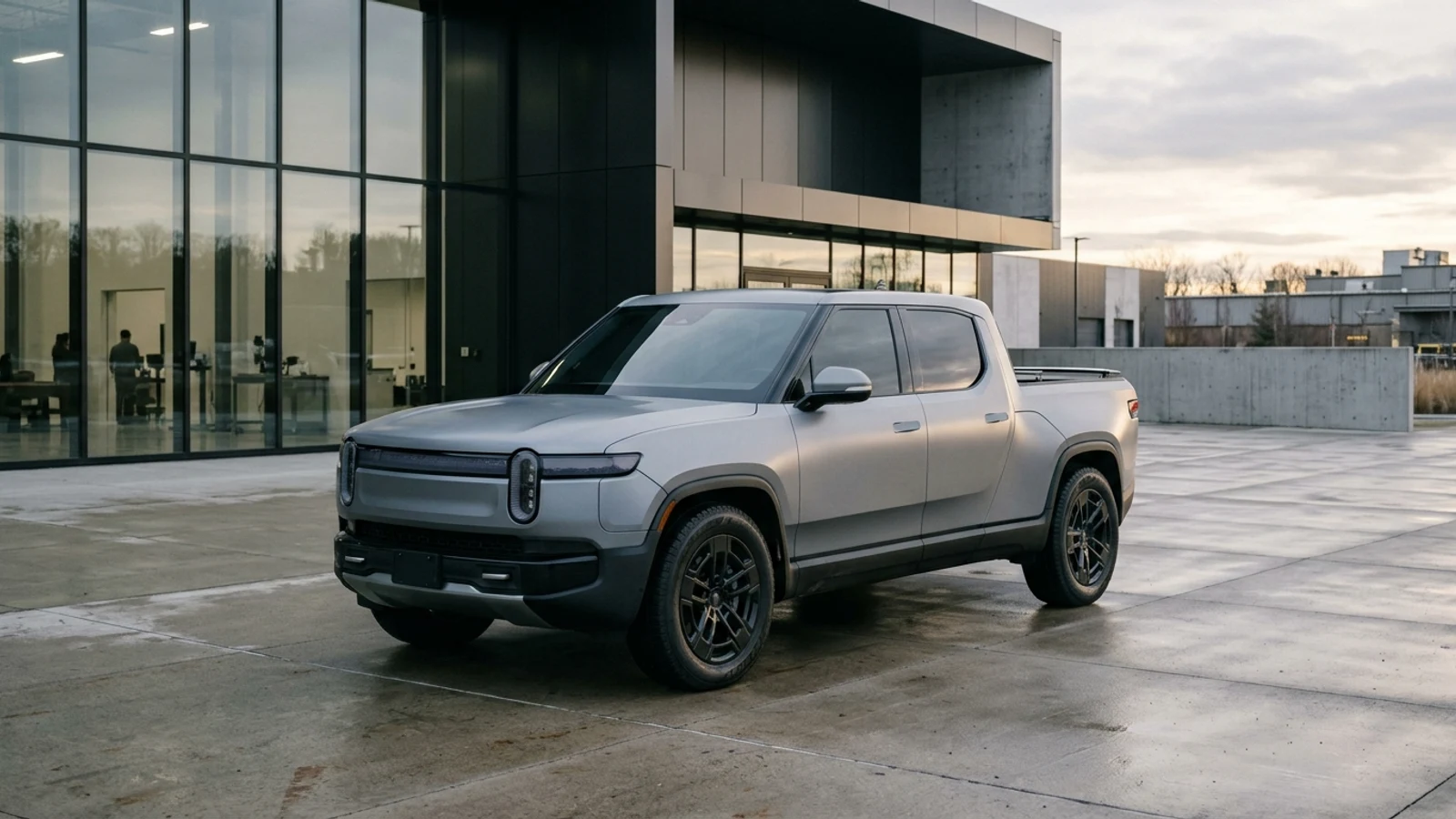
Ford officially identified its upcoming affordable midsize electric pickup as the Fathom on August 6, 2026. This announcement concluded extensive industry speculation, which had widely expected the manufacturer to revive the historic Ranchero nameplate for its next battery-electric truck project. While the Ranchero name remains a piece of significant automotive history and was the subject of a successful trademark filing by Ford in early 2026, the company opted for a new identity to better distinguish the electric vehicle from its legacy offerings. Source
The Ford Fathom is engineered to be the first production vehicle built on the company's new Universal Electric Vehicle Platform. This architecture is designed to simplify manufacturing processes and reduce production costs compared to traditional vehicle construction. The development of this platform and the associated production facility investment, totaling approximately $5 billion across the Louisville Assembly Plant in Kentucky and BlueOval Battery Park Michigan, were part of a broader strategic shift initially announced by Ford in August 2025. Source
Production of the Fathom is scheduled to commence with customer deliveries expected in fall 2027. Ford has confirmed that pre-orders for the midsize electric truck will open to the public in early 2027. The starting price for the standard-range model is set at $28,350, excluding destination charges. Industry reporting from sources such as Car and Driver has indicated a total starting figure of $29,945 when the required destination fees are included in the overall cost. Source
The Fathom design focuses on balancing a manageable, midsize footprint with interior cabin comfort, featuring seating for five passengers. Ford claims the interior dimensions will offer more passenger space than a Toyota RAV4, while retaining both a functional pickup truck bed and a front trunk, or frunk. The vehicle is expected to feature standard support for bidirectional power, a large touchscreen interface, and digital key functionality, alongside Apple CarPlay and Android Auto integration. Source
Technological integration remains a priority, as Ford intends for every Fathom model to be capable of utilizing the BlueCruise advanced driver assistance system. The underlying platform incorporates 48-volt architecture and LFP battery packs designed to optimize energy efficiency and reduce weight. Furthermore, the exterior design has been aerodynamically optimized, with engineering targets aimed at reducing highway drag by as much as 30% to improve overall range performance for the new electric architecture. Source
Although some earlier technical reports estimated a 0 to 60 mph acceleration time of approximately 4.5 seconds based on Ford's target comparisons to the Mustang EcoBoost, these figures remain unverified. Ford has not provided official final power or acceleration specifications for the Fathom. Until the manufacturer releases official performance data or independent testing is conducted on production-ready units, such figures should be interpreted as internal performance targets rather than confirmed final results for the retail model. Source
The confusion regarding the model name originated following a U.S. Patent and Trademark Office filing by Ford for the Ranchero name on August 5, 2025. This filing, which covered motor vehicles including trucks and electric vehicles, led many to infer that a revival of the classic coupe-utility segment was imminent. The original Ranchero was produced between 1957 and 1979 and famously blended passenger-car handling with a pickup bed, establishing the so-called ute segment in the United States. Source
The 1970 iteration of the Ford Ranchero is often cited in design contexts due to its distinct styling, featuring a long hood, two-door configuration, and specific trim levels like the GT, 500, and Squire. During its production, the vehicle offered engines ranging from a 250-cubic-inch inline-six producing 155 gross horsepower to high-performance V8 options, such as the 429 Cobra Jet rated at 370 gross horsepower. These historical design cues were frequently referenced in rumors regarding the new vehicle. Source
Ford's decision to use the Fathom name instead of Ranchero reflects a strategic preference for a fresh identity for its EV transition. While the Maverick currently serves as the brand's affordable entry in the compact pickup market, the Fathom is intended to fill a different niche by focusing on a fully electric, unibody design. By avoiding the legacy baggage associated with the Ranchero, Ford aims to market the Fathom as a modern, purpose-built electric tool for urban and lifestyle-oriented drivers. Source
Manufacturing for the Fathom utilizes a parallel construction method at the Louisville Assembly Plant. Instead of relying on one continuous assembly line, the factory builds major sections of the vehicle simultaneously before merging them. This process is intended to streamline assembly and ensure that the Universal Electric Vehicle Platform can meet aggressive cost targets for the $30,000 price point. Ford has indicated this methodology is essential for maintaining the affordability of its next-generation electric vehicle lineup. Source
Despite the formal end of the Ranchero naming rumors, the trademark remains under Ford's ownership. The company has clarified that filing a trademark does not obligate them to use a name on a production model, as these filings are often used to protect historic badges or preserve future marketing options. Therefore, while the Fathom is the confirmed name for the upcoming electric truck, the legal status of the Ranchero name remains unchanged for any potential future development projects within the company. Source