
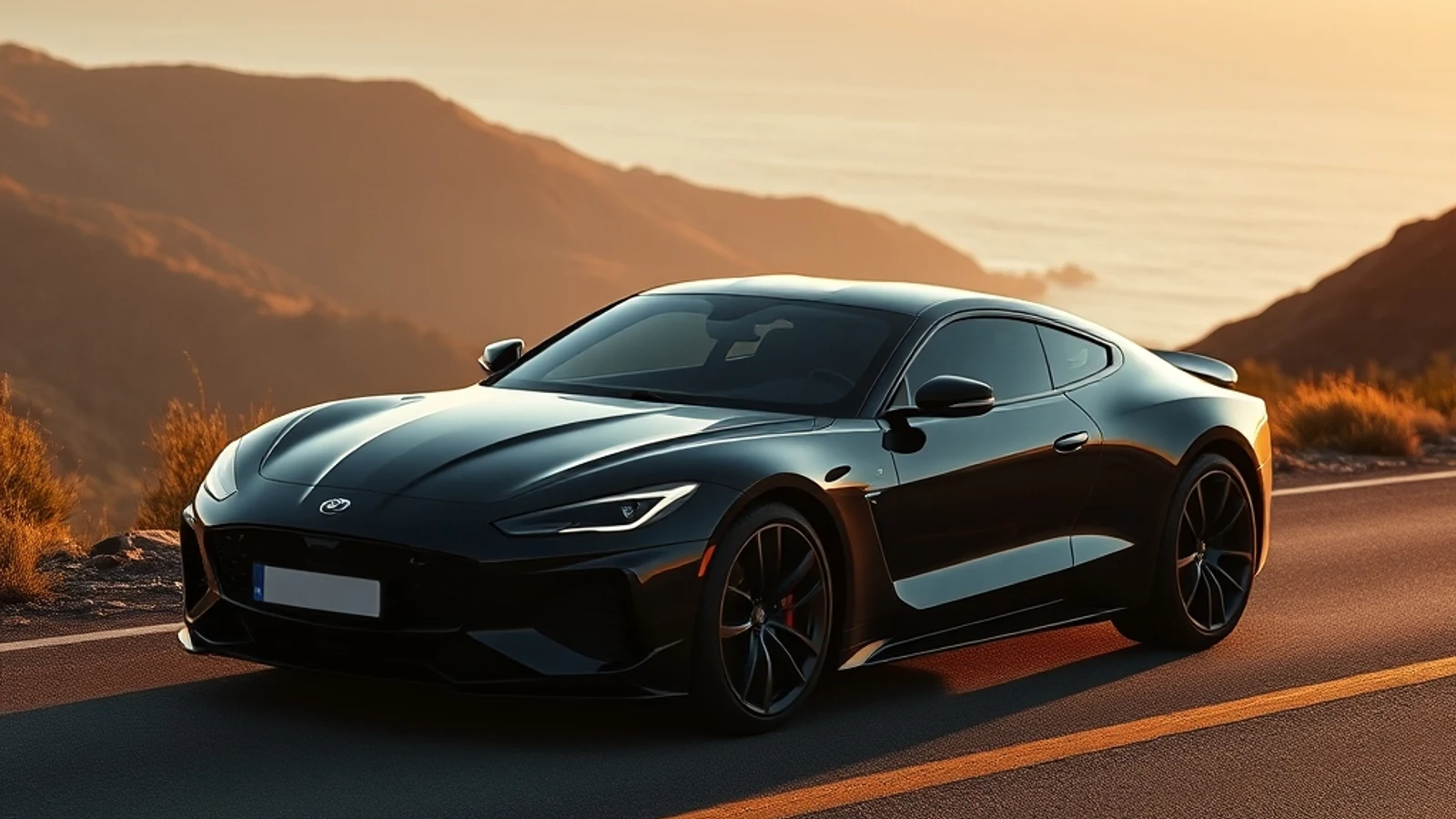
2028 Model Redesign and Performance
The enthusiast-focused Hyundai Elantra N is anticipated to receive a comprehensive makeover for the 2028 model year. This update is expected to mirror the transition of the standard Elantra, which is scheduled for a full redesign beginning with the 2027 model year. According to reporting from Car and Driver, this generational leap should provide the N model with updated interior features and refreshed exterior styling, building upon the foundations of the previous iteration of the sport sedan. Source
While specific technical specifications regarding the powertrain remain unconfirmed, evidence suggests that Hyundai is actively stress-testing a new gas-powered engine. This unit is currently utilized in the company's N1 Cup racecar and is a likely candidate for the upcoming Elantra N. Car and Driver suggests that the output of this engine could potentially reach approximately 300 horsepower. Such an increase would place the vehicle in a competitive performance segment occupied by vehicles like the Honda Civic Type R. Source
The upcoming 2028 Elantra N is expected to retain several hallmarks of its predecessor to maintain its position as an engaging sport sedan. Prospective buyers can anticipate the return of track-oriented suspension systems and a distinctive exhaust note. Furthermore, Car and Driver reports that the vehicle will likely continue to feature a standard six-speed manual transmission, catering to enthusiasts who prioritize a traditional manual driving experience in the performance compact sedan segment. Source
If Hyundai proceeds with shifting the Elantra N into a higher performance bracket for the 2028 model year, it will face a more competitive set of rivals. Current market assessments from Car and Driver indicate that the model would be positioned against high-performance competitors including the Honda Civic Type R, the Toyota GR Corolla, and the Volkswagen Golf R. This potential elevation represents a significant change from the vehicle's historical positioning in the entry-level sport compact market. Source
Historical Context of Sport Compact Rivalries
The performance segment has historically seen intense rivalry between compact sport vehicles. As documented by MotorTrend in a retrospective comparison from June 2006, the market previously featured a clear division between high-strung, naturally aspirated performance and turbocharged power. At that time, the Honda Civic Si utilized a 2.0-liter engine producing 197 horsepower at 7800 rpm, while the Volkswagen GTI employed a 2.0-liter turbocharged engine generating 200 horsepower and 207 pound-feet of torque. Source
The following table summarizes the performance attributes of two notable compact sports cars from the 2006 market, highlighting the diverse engineering approaches used in the segment to deliver performance through either variable valve timing or forced induction. Source
| Model (2006) | Engine Displacement | Output (hp) | Peak Power RPM | Torque (lb-ft) |
|---|---|---|---|---|
| Honda Civic Si | 2.0-Liter | 197 | 7800 | N/A |
| Volkswagen GTI | 2.0-Liter Turbo | 200 | 5100 | 207 |
During the 2006 comparison conducted by MotorTrend, the Volkswagen GTI was offered with either a six-speed manual transmission or an optional dual-clutch direct shift gearbox. Conversely, the Honda Civic Si was exclusively available with a six-speed manual transmission. This difference in drivetrain options forced evaluators to delay testing until a manual-equipped GTI was available to ensure a consistent comparison between the two vehicles, emphasizing the importance of matching transmission configurations when assessing performance vehicles. Source
The 2006 Honda Civic Si focused on a design aesthetic described as racy, featuring a severely raked windshield, a prominent rear wing, and squinty headlamps. The interior was characterized by a video-game-like dashboard design, which included two tiers of analog and digital displays, alongside an optional navigation and satellite radio package priced at $1750. The model also included a front helical limited-slip differential and, in the test configuration, optional Michelin summer tires for an additional $200. Source
The Volkswagen GTI in 2006 maintained a more traditional design profile, often referred to as a wedge, with retro-inspired cues including red-painted brake calipers and a honeycomb grille. The vehicle was equipped with traction and stability control systems, which MotorTrend noted were not available on the competing Civic Si. Pricing for the tested GTI reached $24,175, inclusive of a $1370 satellite radio and sunroof package and $185 for rubber floormats, providing a benchmark for the period's performance-per-dollar ratio. Source
The contrast between the GTI and Civic Si highlights the varying approaches to vehicle dynamics in the compact segment. While the GTI provided a turbocharged torque curve ranging from 1800 to 5000 rpm, the Civic Si relied on a high-compression, variable-valve-timing engine that required high engine speeds to reach its peak power of 197 horses. These distinct engineering paths are reflective of the broader trends in the sport compact segment, where manufacturers seek to balance engine efficiency with driver engagement. Source
As Hyundai looks toward the 2028 model year for the next Elantra N, the brand continues to emphasize track-ready capabilities. By leveraging learnings from its N1 Cup race program, the automaker appears committed to maintaining the Elantra N's reputation for versatility. The transition to a new platform and potentially more powerful engine reflects a ongoing strategy to compete in the performance compact sedan space, though definitive confirmation of all hardware specifications remains pending future announcements from the manufacturer. Source

