
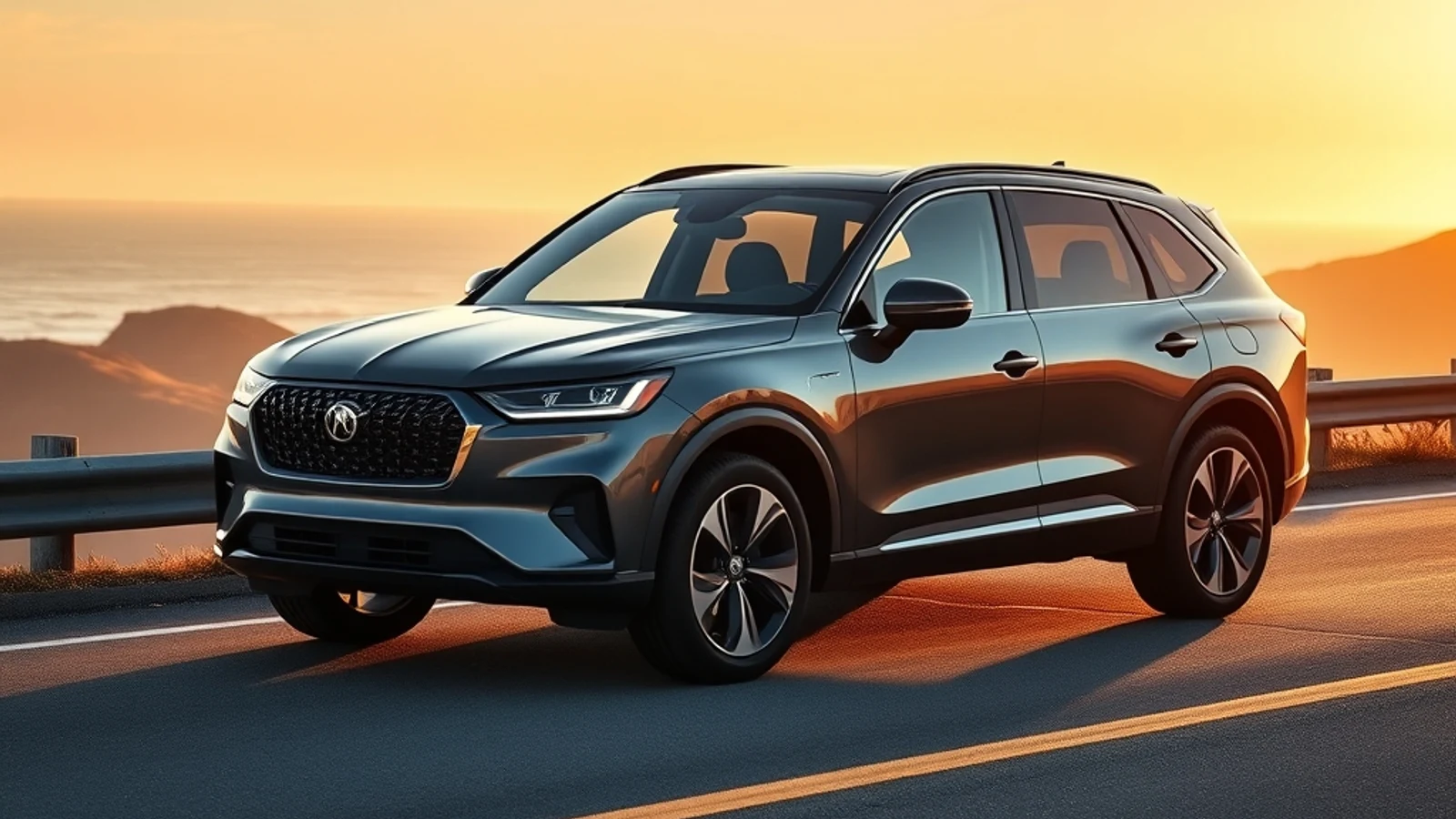
The 2027 model year marks the introduction of the third generation of the Audi Q7, a luxury SUV that competes in the family-hauler segment. While Audi, alongside BMW and Mercedes-Benz, has long occupied this space, the market for three-row SUVs now includes compelling alternatives from other manufacturers. Hyundai has shifted its brand perception by offering the Palisade Calligraphy, which provides a high level of standard features designed to rival the comfort associated with more expensive European luxury models while maintaining a lower price point. Source
A primary differentiator between the 2027 Hyundai Palisade Calligraphy and the 2027 Audi Q7 Premium lies in their respective list of standard features. The Palisade Calligraphy includes exterior elements such as 21-inch alloy wheels, LED lighting, door handle welcome lights, heated side mirrors, and a hands-free liftgate. Conversely, while the Audi Q7 Premium offers features like leather upholstery and a 12.3-inch front passenger display, many amenities like ventilated seats, dash cameras, and sound system upgrades require higher trims. Source
Ownership costs serve as another point of comparison, with CarEdge providing estimates regarding long-term maintenance and depreciation. For the first five years of ownership, the Palisade is estimated to cost $2,822 in maintenance and repairs, while the Q7 is projected at $4,175. Over a ten-year period, these costs increase to $8,816 for the Hyundai and $13,147 for the Audi. These figures exclude taxes, incentives, and dealership fees, which are subject to changes by the automakers at any time. Source
Depreciation represents a significant portion of total ownership costs. Data collected by CarEdge suggests that the Hyundai Palisade loses approximately 49% of its value over five years. In contrast, the Audi Q7 is estimated to lose 57% of its value during the same five-year timeframe. These findings contribute to the overall economic profile of each vehicle, contrasting the initial purchase price against projected retention of value and the necessity of budgeting for insurance, loan interest, and fuel expenses. Source
The powertrain configurations reveal a divergence in focus. The Audi Q7 features a twin-turbocharged V6 engine that provides 142 more horsepower and 182 lb-ft more torque compared to the standard Palisade. While the Q7 includes standard all-wheel drive, the Hyundai Palisade requires an additional $2,000 for an all-wheel-drive configuration. Buyers who prioritize high-performance metrics may find the Audi powertrain advantageous, though this involves a substantially higher initial cost compared to the various trims offered by Hyundai. Source
Hyundai offers the Palisade in a range of six trim levels for the gas-only model, catering to different buyer requirements. The base SE trim begins at $39,735, with the mid-range SEL priced at $42,240. The SEL Premium and Limited trims are positioned at $45,600 and $50,070, respectively. Furthermore, the off-road-oriented XRT Pro starts at $50,170, while the top-of-the-line Calligraphy trim is available starting at $54,860, all figures excluding destination charges and additional optional equipment. Source
Audi maintains a simpler, more consolidated hierarchy for the Q7, consisting of three primary trim levels. The entry-level Premium model starts at $70,900, followed by the Premium Plus at $75,300, and the top-tier Prestige starting at $84,900. These prices represent the baseline for each configuration before destination, dealer fees, or selected options. The structural differences in pricing reflect the market positioning of each manufacturer and the segments they target within the luxury and near-luxury SUV categories. Source
Warranty coverage and long-term maintenance programs are factors that consumers must weigh when comparing these vehicles. The Hyundai Palisade is supported by a warranty structure intended to cover powertrain and various components for a longer duration, providing potential security against factory defects. Meanwhile, Audi provides the Audi Signature Care subscription, which includes 3 years or 30,000 miles of complimentary maintenance, acting as an alternative benefit for those who prioritize manufacturer-backed service intervals. Source
Comparison of Trim Pricing
The following table summarizes the starting price points for the available trims of both the 2027 Hyundai Palisade and the 2027 Audi Q7 as of November 2026. These figures represent manufacturer suggested starting prices for base configurations. Costs such as destination charges, dealership fees, and additional options are not included in these figures. These trims illustrate the disparity in entry-level and top-tier pricing between the two brands. Source
| Model / Trim | Starting MSRP |
|---|---|
| 2027 Hyundai Palisade SE | $39,735 |
| 2027 Hyundai Palisade SEL | $42,240 |
| 2027 Hyundai Palisade SEL Premium | $45,600 |
| 2027 Hyundai Palisade Limited | $50,070 |
| 2027 Hyundai Palisade XRT Pro | $50,170 |
| 2027 Hyundai Palisade Calligraphy | $54,860 |
| 2027 Audi Q7 Premium | $70,900 |
| 2027 Audi Q7 Premium Plus | $75,300 |
| 2027 Audi Q7 Prestige | $84,900 |
Ownership Value Considerations
Deciding between the two vehicles often comes down to the individual requirements of the buyer. While the Audi Q7 offers an established luxury badge and higher powertrain performance, the Palisade provides a more accessible entry point with a significant gap in upfront pricing. For families seeking a three-row SUV, the choice involves balancing the desire for specific performance attributes against the reality of maintenance costs, warranty coverage, and the overall value proposition of the vehicle trim selected. Source
The distinction between the Palisade Calligraphy and the Q7 Premium highlights how modern non-luxury brands have integrated premium-level features that were once exclusive to European luxury manufacturers. By focusing on standard feature sets rather than optional extras, the Palisade creates a competitive value proposition. Prospective buyers are encouraged to compare the total cost of ownership, including depreciation and service, rather than focusing solely on the purchase price or the prestige associated with a specific automotive brand. Source

