
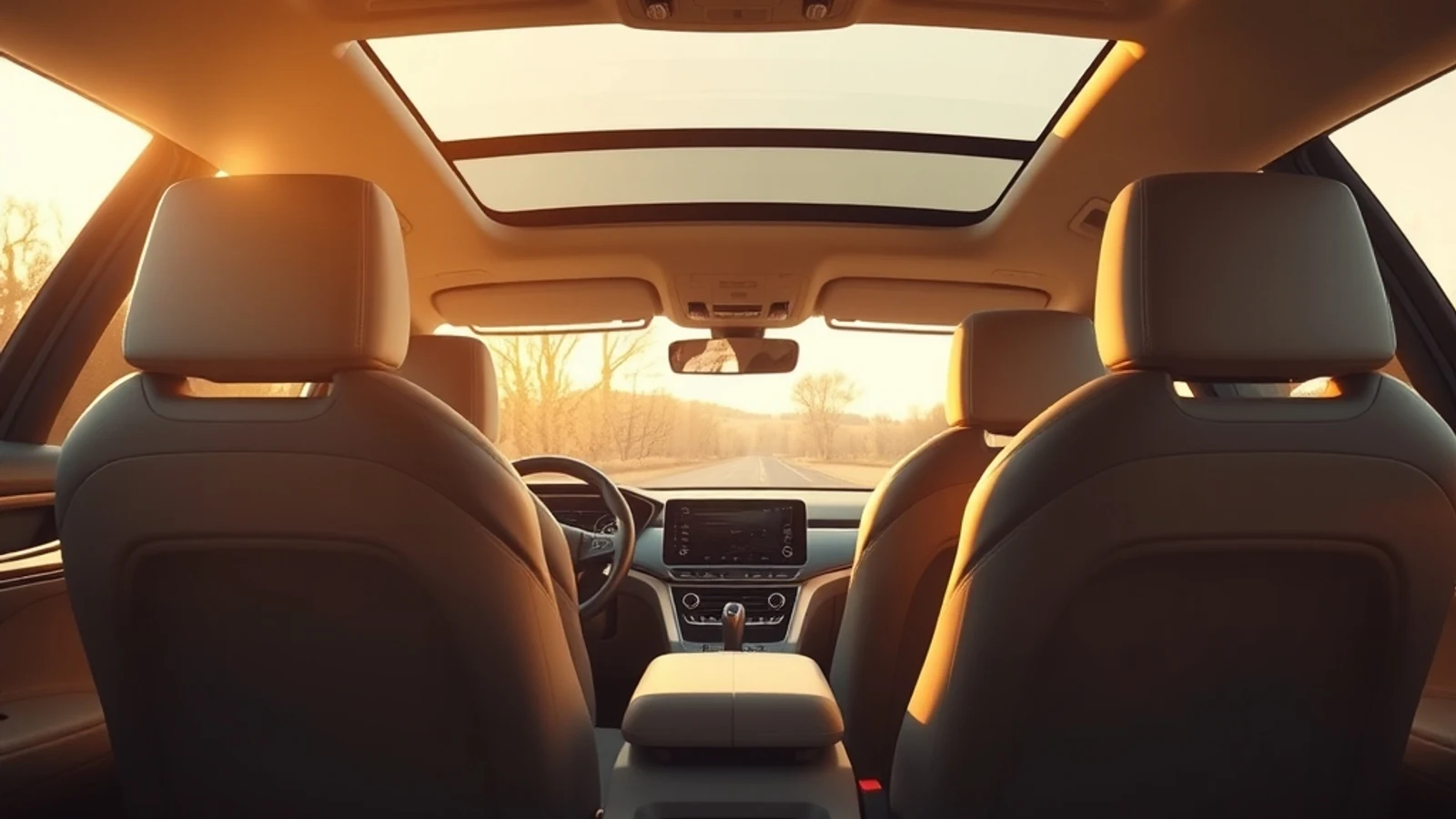
Automated Interior Maintenance Technology
Automotive manufacturers Kia and Hyundai have introduced a patent filing describing an automated seat cleaning system, according to documentation highlighted by CarBuzz on November 23, 2026. This technology aims to address the challenge of maintaining vehicle interiors, particularly as light-colored upholstery becomes more common in modern models. The filing suggests a proactive approach to sanitation, where the vehicle autonomously identifies and removes debris such as dust, crumbs, or liquid spills before they result in permanent stains. Source
The proposed system functions through a series of integrated sensors and mechanical hardware. A camera installed within the vehicle cabin continuously monitors the seat surfaces for contaminants. Once the system detects debris, the vehicle initiates a cleaning mode. A compartment hidden beneath the seat cushion opens, allowing a specialized mechanical arm to extend. This arm is equipped with a comprehensive suite of cleaning tools, including a scraper, a vacuum, and a brush, designed to address various types of messes effectively. Source
Beyond dry debris, the patent describes a capability to handle liquid spills and stains. The robotic arm includes an integrated sprayer to apply cleaning agents or fluids directly to affected areas. The system is designed to distinguish between different types of messes, such as identifying liquids versus solids. According to the filing, the sensors would have the capability to recognize non-Newtonian fluids, encompassing substances ranging from common food spills like ketchup to more complex material interactions. Source
The operational sequence concludes with the robotic arm retracting back into its protective compartment under the seat cushion once the cleaning process is complete. To ensure passenger safety, the system incorporates logic to verify that the seat is not occupied before activating the cleaning mechanism. This safety protocol is intended to prevent accidental contact between passengers and the mechanical arm while the vehicle is in operation or during regular use, ensuring the system only engages when deemed appropriate. Source
Production Considerations and Implementation
While the technology is currently in the patent stage, industry analysis indicates it could offer a competitive advantage for family-oriented vehicles. Models such as the Kia Telluride and the Hyundai Palisade are frequently utilized for transporting families and pets, environments prone to frequent messes. The integration of such technology could simplify interior upkeep in vehicles where crumb accumulation and spills are common, potentially serving as a distinct feature for future lineups, although implementation would likely be expensive. Source
Implementation of this technology on a mass scale would require significant hardware investment. As the patent suggests, effective interior cleaning would necessitate the installation of these robotic systems in each of the front seats, as well as units in the second and third rows of multi-passenger vehicles. This high number of robotic components presents challenges regarding manufacturing costs and space requirements within the seat architecture, factors which remain to be addressed before any potential retail application. Source
It is important to emphasize that this filing is a protection of intellectual property and does not constitute a commitment to production. According to the evidence provided by CarBuzz, the presence of a patent does not guarantee that these systems will appear in future vehicles. Automakers frequently secure patents for conceptual technologies to safeguard their research and development investments. As such, the existence of this patent cannot be construed as confirmation of upcoming product intent or vehicle features. Source
The following table summarizes the key components identified in the patent filing for the seat-cleaning mechanism as described in the source material. Source
| Component | Function |
|---|---|
| Cabin Camera | Identifies dirt, dust, and spills |
| Robotic Arm | Extends from under seat to perform cleaning |
| Scraper Tool | Removes solid debris |
| Vacuum | Extracts loose particles |
| Brush | Cleans fabric surfaces |
| Sprayer | Applies fluids to treat stains |
The system represents a departure from traditional car care solutions, such as portable vacuums. By automating the identification and removal of debris, the patent seeks to address the issue of light-colored seats, which are susceptible to showing stains more readily than darker alternatives. The ability to handle diverse spill types suggests a focus on the practical realities of long-term vehicle ownership, particularly for users managing child-related debris or common household contaminants that might otherwise lead to permanent damage. Source
While the patent focuses on vehicle upholstery, the source notes that the technology could potentially be adapted to clean child seats as well. The versatility of the robotic system is intended to provide a comprehensive cleaning solution that goes beyond basic maintenance. Despite this potential, the complexity of integrating such an active, mechanical system into the safety-critical environment of a passenger vehicle remains a significant engineering hurdle that has not yet been resolved or demonstrated. Source
Ultimately, the patent reflects an ongoing interest in improving the user experience through advanced cabin technologies. As manufacturers seek to differentiate their offerings, the development of intelligent, autonomous interior features is becoming an area of increasing focus. Whether this specific technology moves beyond the patent office and into showroom-ready vehicles remains unknown, as manufacturers continue to balance innovation with cost-effectiveness and structural safety requirements in the competitive automotive sector. Source

