
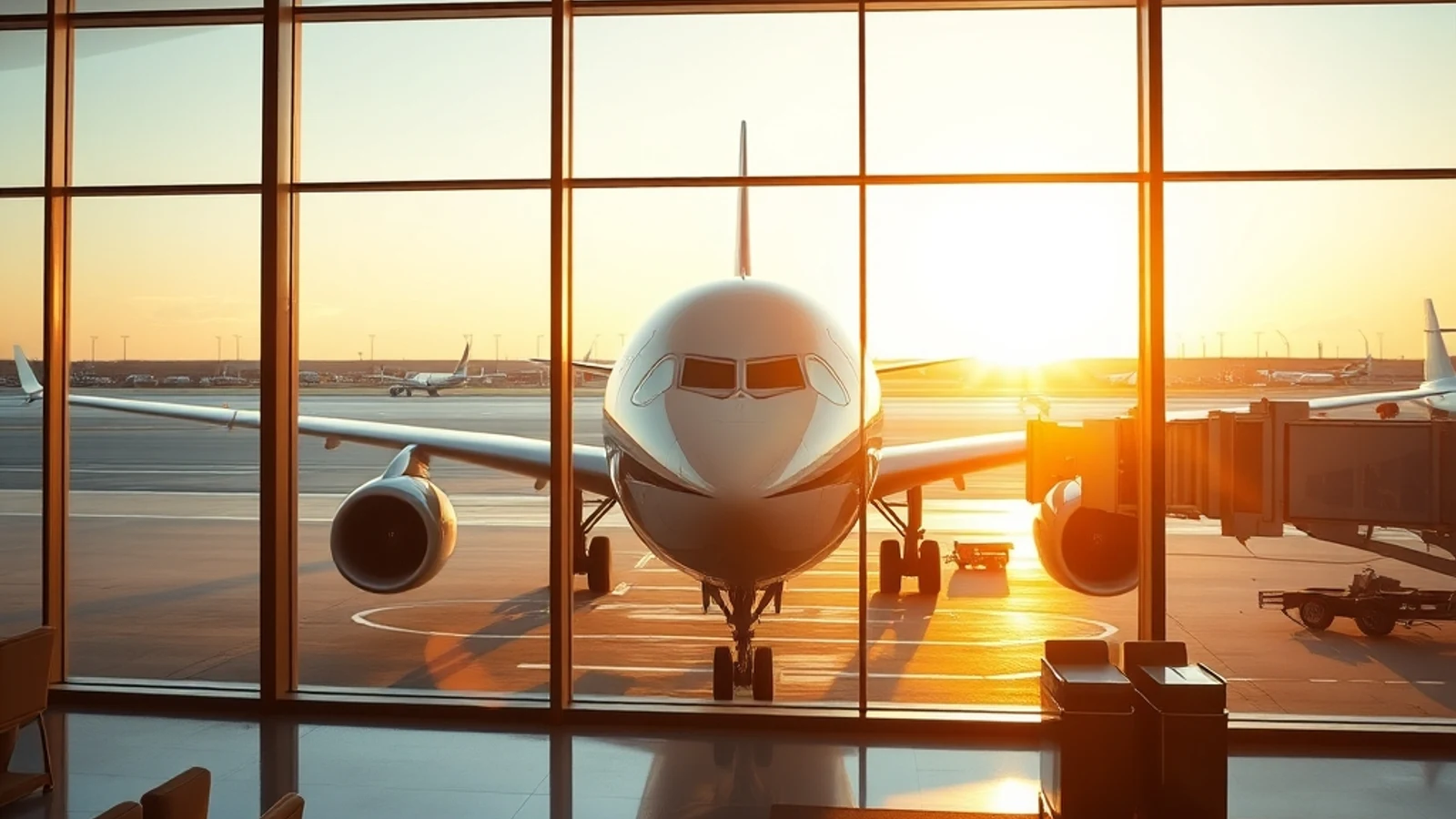
Lufthansa Group has launched a new integrated mobile application designed to simplify travel management for passengers flying from the United States to Europe. The platform serves as a unified digital entry point for managing journey details across the company's network of airlines. Passengers can utilize the application to perform core functions including searching for flights, booking tickets, selecting seats, purchasing additional baggage, and completing the online check-in process prior to departure. Source
The new digital tool is intended to streamline the experience for travelers on long-haul trips that involve connections between different carriers within the Lufthansa Group. Beyond basic bookings, the app provides mobile boarding passes, flight status alerts, and post-landing updates regarding checked baggage. The integration of Miles & More allows loyalty program members to monitor point balances, review account activity, verify their status levels, and book reward flights directly from their mobile devices. Source
This centralized functionality addresses past complexities where managing multi-airline itineraries required multiple digital tools. A typical passenger journey might now combine an initial leg on Lufthansa, a connection via SWISS in Zurich, and a final segment on ITA Airways arriving in Rome. The application facilitates these connections by treating such itineraries as a single, combined booking, which Travel And Tour World Aviation Discovery notes is significant for passenger-rights protections under European Union regulations. Source
The technological consolidation represents a broader digital push by the Lufthansa Group throughout 2026. The company has rebuilt ITA Airways on the technology stack utilized by its other major carriers, including Lufthansa, SWISS, Austrian Airlines, and Brussels Airlines. Following ITA Airways' incorporation into the Miles & More loyalty program on March 31 and its entry into the Star Alliance on April 1, the airline's systems were aligned to allow seamless integration with other Group hub carriers. Source
While the six primary hub carriers are included in the new application launch, Eurowings remains distinct from this specific initiative. Despite this exclusion from the unified app, the Lufthansa Group continues to expand its broader Travel ID system, which Eurowings has already adopted. This digital infrastructure effort aims to maintain direct customer contact and encourage the booking of subsequent flights, premium seats, and loyalty program utilization within the Group's controlled system. Source
The introduction of this technology occurs amidst a period of fluctuating demand for transatlantic travel. According to data reported by Travel And Tour World, United States international passenger traffic declined in several months throughout 2026. Specifically, United States airline traffic experienced a year-on-year drop in August 2026, with international enplanements also falling below the levels recorded in August 2025. Similar declines were observed in June and July 2026 compared to earlier peak travel periods. Source
These travel trends hold implications for the Lufthansa Group, which relies heavily on hubs such as Frankfurt, Munich, Zurich, Vienna, Brussels, and Rome to connect passengers between the United States and Europe. Weakening inbound travel from Germany and Italy to the United States has also been documented during 2026. Such volatility can impact various components of the travel industry, including seat capacity, hotel occupancy, retail revenue, and overall airport financial performance. Source
The app interface remains limited regarding airport-specific security procedures in the United States. While the Transportation Security Administration has expanded its TSA PreCheck Touchless ID program, none of the six airlines integrated into the Lufthansa Group app are currently listed as participants. Passengers on these carriers must continue to use standard security identity checks. However, for arrivals back into the United States, eligible European travelers may use the government-run Mobile Passport Control app for expedited processing. Source
The importance of booking protection is particularly evident for travelers originating in or passing through major U.S. gateways. At hubs such as John F. Kennedy International Airport and Newark Liberty International Airport, where the Port Authority system handled over 142 million passengers in 2025, consolidated bookings provide clear advantages during operational disruptions. Under EU Regulation 261, having multiple flights on a single reservation protects passengers seeking rerouting support or compensation for delays, unlike fragmented itineraries. Source
Operational realities in the New York region, including concerns regarding air traffic control staffing and volume-related pressure, underscore the value of real-time flight data. Lufthansa Group maintains a strong footprint in this market, operating flights to JFK and Newark using modern aircraft like the Boeing 787-9 Dreamliner and offering advanced Allegris cabin services on select routes. The new app allows passengers to monitor changes across these European carriers and their U.S. joint venture partner, United Airlines. Source
Beyond the East Coast, the Lufthansa Group continues to invest in the California market, utilizing Airbus A380 aircraft for flights between Munich and gateways like Los Angeles and San Francisco. While traffic results in these regions were mixed throughout 2026, the company continues to deploy premium fleet subsets to maintain service quality. The integrated application provides a necessary interface for these travelers to manage complex, long-haul journeys effectively while remaining within the carrier group's digital ecosystem. Source
Lufthansa Group Digital Integration Timeline
The following table outlines the key technological integration dates and passenger-facing features reported by the group during 2026. Source

