Fleet Modernization and Aircraft Orders
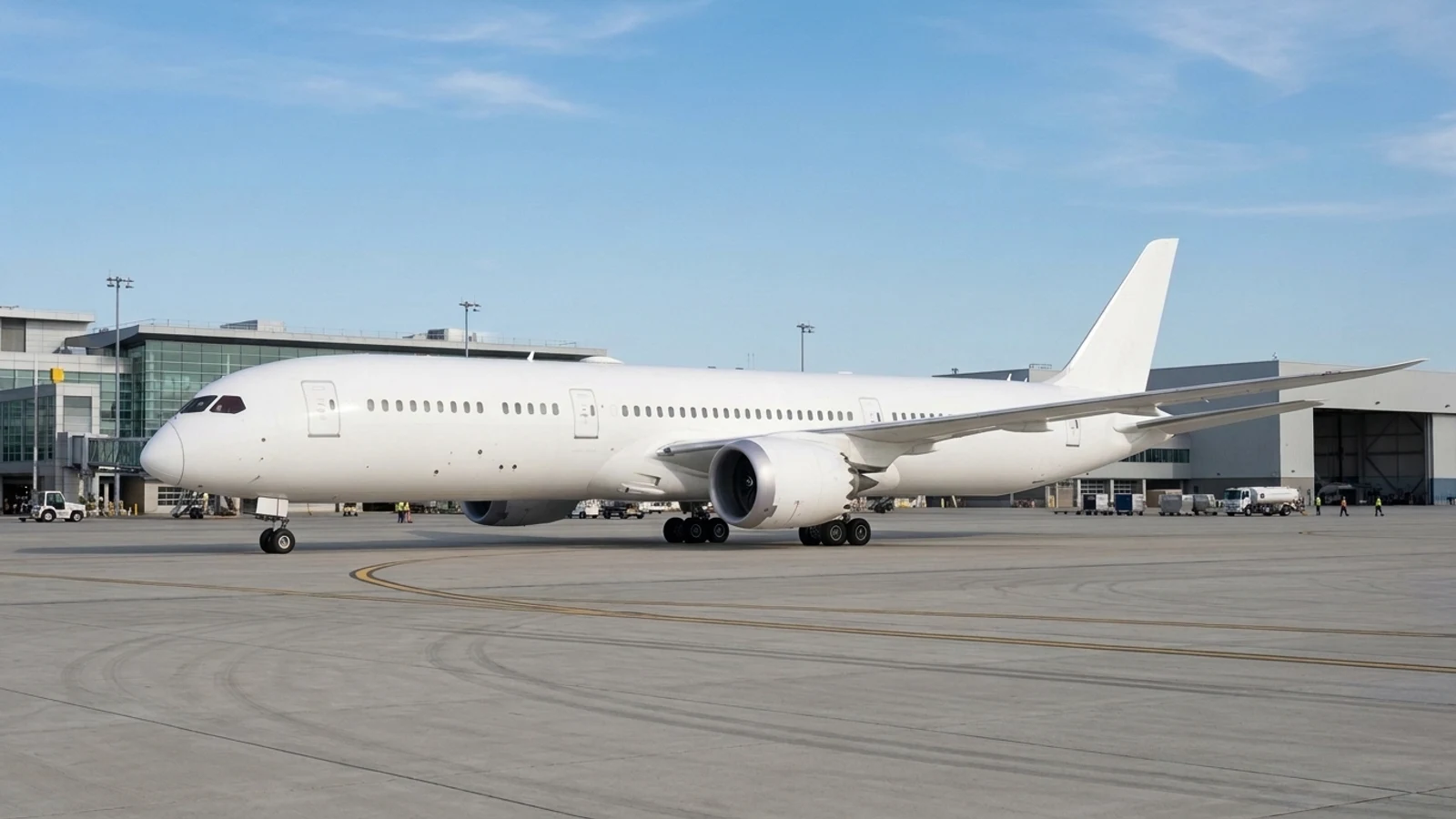
Malaysia Aviation Group (MAG) has officially confirmed a strategic order for 10 Boeing 787 Dreamliners to support the long-haul fleet renewal of its national carrier, Malaysia Airlines. The announcement, made on November 25, 2026, marks a significant shift in the group’s widebody strategy. In addition to the firm order of 10 units, the contract includes options for six additional aircraft, providing the airline with flexibility for its future network requirements across major international markets. Source
The incoming Boeing 787-10 fleet is scheduled for delivery between 2032 and 2035. During this same window, Malaysia Aviation Group intends to phase out its existing fleet of seven Airbus A350-900 aircraft. This transition will mark the first time that Malaysia Airlines operates the Boeing 787 series, ending a period where the carrier’s long-haul widebody operations were exclusively serviced by Airbus models. The new aircraft will be powered by GE Aerospace GEnx-1B engines. Source
Financial details regarding the acquisition have not been disclosed by the parties involved. The agreement was formally signed during a ceremony in Kuala Lumpur in the presence of Malaysian Prime Minister Anwar Ibrahim. According to the group, this investment is designed to enhance capacity, improve operational efficiency, and provide greater flexibility for serving critical long-haul destinations, including London, Paris, Sydney, Melbourne, Tokyo, Osaka, and Seoul. Source
Passengers can expect an updated cabin experience on these new aircraft. Malaysia Aviation Group has specified that the Boeing 787-10 fleet will be configured with 319 seats spread across three cabin classes. The deployment of these larger-gauge aircraft is part of a broader corporate strategy to improve the operating economics of long-haul routes. While the A350-900s currently serve major European hubs, the 787-10s will eventually assume these roles within the airline's international network. Source
Widebody Fleet Parameters and Comparisons
The following table outlines the key parameters of the widebody transition and fleet specifications based on reports from the identified aviation industry sources. Source
| Feature | Specification/Detail |
|---|---|
| New Order | 10 Boeing 787-10s |
| Options | 6 Additional 787s |
| Engines | GE Aerospace GEnx-1B |
| Total Seat Count | 319 Seats |
| Cabin Classes | Three-Class Configuration |
| Delivery Window | 2032 - 2035 |
| Retiring Aircraft | 7 Airbus A350-900s |
The range capabilities of the 787-10 have been a focal point of the airline's evaluation process. With a design range of up to 7,500 nautical miles, the 787-10 is suitable for routes connecting Kuala Lumpur to London and Paris, which are approximately 5,700 and 5,600 nautical miles respectively. While the Airbus A350-900 offers a longer range of approximately 8,500 nautical miles, the airline has determined that the 787-10 fleet is sufficient for its current and future operational requirements in the region. Source
Beyond the widebody order, Malaysia Aviation Group continues to expand its narrowbody fleet. The airline currently operates more than 37 Boeing 737 Next Generation aircraft and 19 737-8s. Its total order book includes 55 additional 737s, specifically 43 737-8s and 12 737-10s. These deliveries are expected to be completed by 2030, reinforcing the group's commitment to a mixed-manufacturer fleet strategy. Management has indicated that previous delivery delays across the aviation industry have been a point of concern for growth plans. Source
As part of its ongoing operational optimization, the group has also renewed its agreement for GE Aerospace’s Fuel Insight and FlightPulse software. This technology has been utilized for over five years to support data-driven decision-making regarding fuel savings. The combination of new aircraft technology and established operational analytics is intended to bolster the efficiency of the airline’s future international network, particularly as it navigates the technical differences between its current Airbus fleet and the incoming Boeing assets. Source
While the 787-10 is poised to become the cornerstone of the airline’s long-haul operations, the carrier also maintains a relationship with Airbus through other fleet segments. The airline currently operates A330-200, A330-300, and A330-900 models. The transition away from the A350 to the Boeing 787 represents a deliberate shift in procurement. Historical attempts to introduce the 787 have occurred previously, notably a 2017 memorandum for eight 787-9s that ultimately did not move forward to delivery. Source
The airline's focus remains on maintaining service reliability across key markets while managing the transition of its long-haul assets. Capacity for the upcoming year is projected to increase by 8%, with plans to potentially add up to three new destinations. These growth targets are managed alongside the logistical reality of aircraft delivery timelines, which the group CEO has described as potentially impacting plans by months rather than years. Careful planning for fleet turnover remains central to the airline’s corporate roadmap. Source
In summary, the move to 787-10 aircraft is framed as a strategic investment to replace aging leased assets and standardize the widebody fleet. By selecting a configuration that maximizes seat density and utilizing advanced engine technology, the group aims to improve the economics of its core long-haul routes. The transition between 2032 and 2035 will mark the final exit of the Airbus A350-900, completing a significant restructuring of the long-haul capacity for Malaysia Airlines. Source