
Strategic Fleet Transition
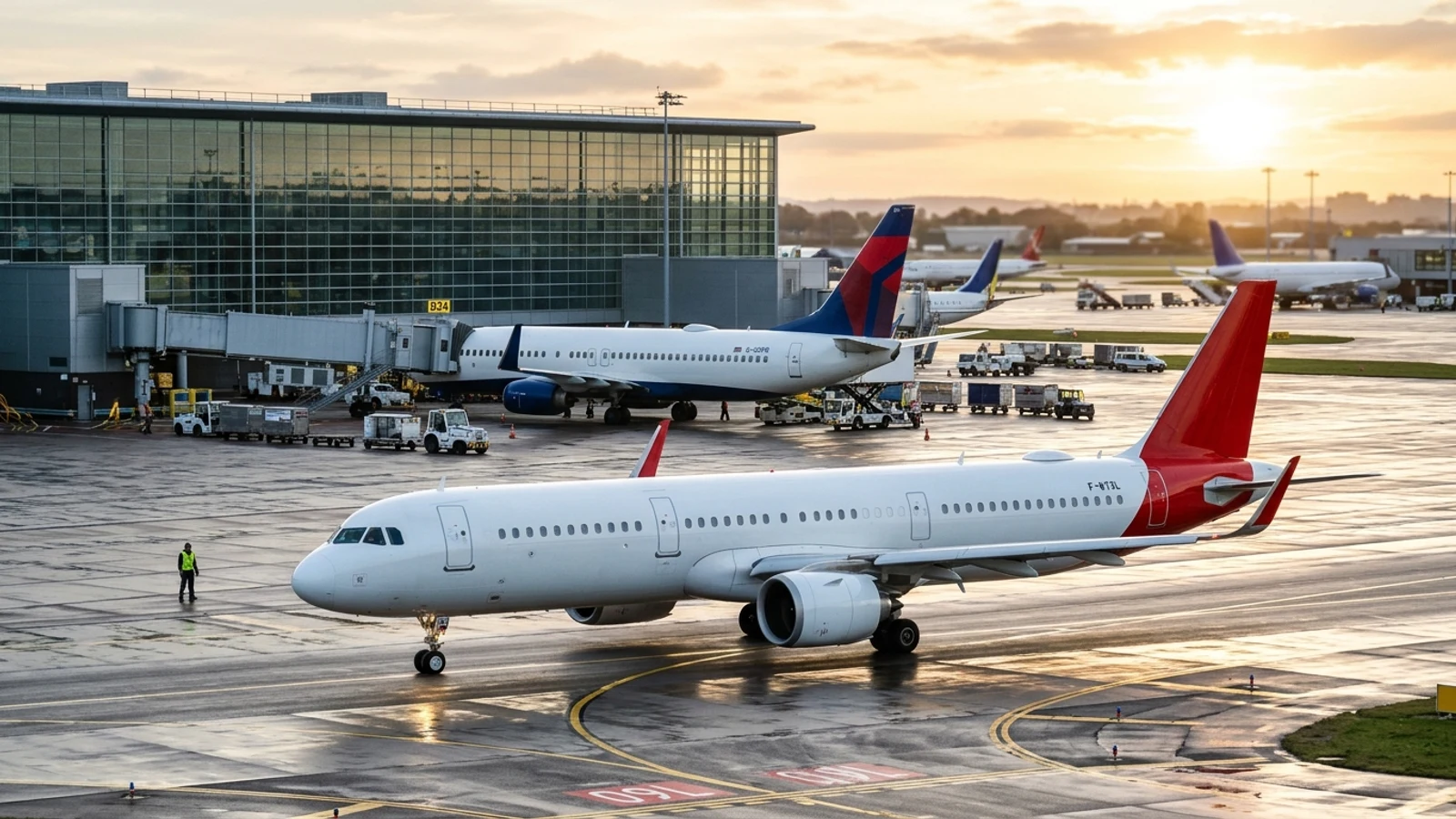
Qantas is currently executing a significant fleet renewal program known as Project Winton, which represents a deliberate pivot from its legacy Boeing narrowbody fleet toward Airbus aircraft. This transition is not limited to long-range international missions, as is common with other global operators of the Airbus A321XLR. Instead, the airline is utilizing the A321XLR primarily as a high-capacity replacement for the Boeing 737-800 across its busiest domestic Australian corridors, balancing network growth with operational flexibility. Source
The scale of this shift is substantial, as the 737-800 fleet has historically carried nearly half of all passengers traveling on Qantas annually. By opting for the A321XLR, the airline seeks to modernize its narrowbody operations while aligning capacity with demand patterns. Qantas has steadily expanded its commitment to the aircraft, growing an initial plan for 20 jets into a firm order for 48 units following a 20-aircraft order placed in August 2025 to accelerate the retirement of the older 737 fleet. Source
Deliveries of the new narrowbodies have already entered active operations, with six A321XLR aircraft received during the 2026 financial year. Concurrently, the airline is managing the retirement of its 737-800 fleet through a seven-year agreement with AerFin, covering the sale of 44 aircraft and 88 CFM56-7B engines. These retirements began in late 2026, marking the start of a multi-year transition intended to improve unit economics and operational efficiency across the Qantas domestic and regional network. Source
Project Winton also incorporates the Airbus A220-300 for the QantasLink subsidiary, designed to modernize narrowbody operations across diverse route profiles. The strategic use of these aircraft is projected by Simple Flying to generate annual earnings growth of between AUD 150 million and AUD 200 million by 2027. This financial incentive drives the transition, allowing the airline to replace older, less efficient jets with modern airframes that offer better fuel efficiency and lower maintenance costs per seat. Source
The A321XLR features a range of up to 5,400 miles, which is approximately 1,864 miles further than the current 737-800 capabilities. However, Qantas leadership, including Group CEO Vanessa Hudson, has emphasized that the aircraft is being deployed for its versatility rather than exclusively for its maximum range. By keeping range in reserve, the airline can shift aircraft between high-frequency domestic trunk routes and longer regional international links without the need to commit larger widebody aircraft to thinner paths. Source
While the aircraft has generated interest among aviation analysts regarding its potential for long-range cargo or international missions, Qantas maintains a focus on domestic utility. Some observers have debated the selection, particularly concerning the impact of the Rear Center Tank on cargo capacity. Nevertheless, Qantas views the A321XLR as a strategic buffer that allows for network growth. The airline is actively managing the transition to ensure that capacity is properly matched to passenger demand on a route-by-route basis. Source
Cabin Configuration and Operational Adjustments
Cabin configurations are a key differentiator within the new A321XLR fleet, as the airline is splitting its layouts based on the intended service profile. Domestic-configured models currently feature 197 or 200 seats, including 20 recliner business-class seats, to accommodate high-density requirements on core routes. Looking ahead to 2028, the airline plans to introduce 16 additional A321XLRs equipped with lie-flat business suites featuring sliding doors, intended for longer domestic and international sectors where premium demand is higher. Source
Passenger feedback and early operational observations have influenced minor design adjustments. Early deliveries prompted scrutiny regarding economy lavatory ratios, leading Qantas to increase the count to three in later units, resulting in a three-seat reduction in total capacity from the fourth aircraft onwards. The airline also plans to retrofit earlier jets to match this improved layout, ensuring consistency across the narrowbody sub-fleet as more aircraft enter commercial service throughout the late 2020s. Source
The international debut of the A321XLR on the Brisbane–Manila route has undergone schedule changes, shifting from an initial October 25, 2026, date to a new target of February 1, 2027. Until the A321XLR arrives on this route, Qantas continues to operate the service using Airbus A330-200 widebody aircraft. This delay highlights the complexities of fleet integration, with the airline maintaining operational flexibility to ensure that service reliability is not compromised during the transition period. Source
The retirement of the 737-800 fleet will continue to be a multi-year process, with 9 additional aircraft exits planned for 2027 following the initial 2026 retirements. To maintain competitive standards during this overlap, the airline is planning cabin refurbishments for select remaining 737-800 frames. This approach allows Qantas to keep its current service offerings consistent while scaling up its Airbus operations in a phased, manageable manner that limits exposure to potential supply-chain delays. Source
Supply-chain factors remain a critical variable for the airline's management team. Because the retirement schedule is tied to the successful delivery of new A321XLRs, any manufacturing or component bottlenecks could result in the prolonged use of existing Boeing frames or widebody stand-ins. Consequently, Qantas is emphasizing disciplined delivery progression, treating the transition not as a rapid, one-time swap but as a strategic, multi-year rollout that prioritizes long-term network flexibility and fleet harmonization. Source
The evolution of the Qantas narrowbody fleet reflects a broader industry trend toward high-capacity, long-range narrowbody aircraft, even when utilized on shorter-haul routes. By balancing seat density with range capabilities, Qantas aims to optimize its busiest sectors for both passengers and profitability. By the end of the decade, the combination of A321XLRs and A220s is expected to redefine the airline's narrowbody experience, providing a varied, modern cabin environment while phasing out the legacy 737 fleet. Source

