
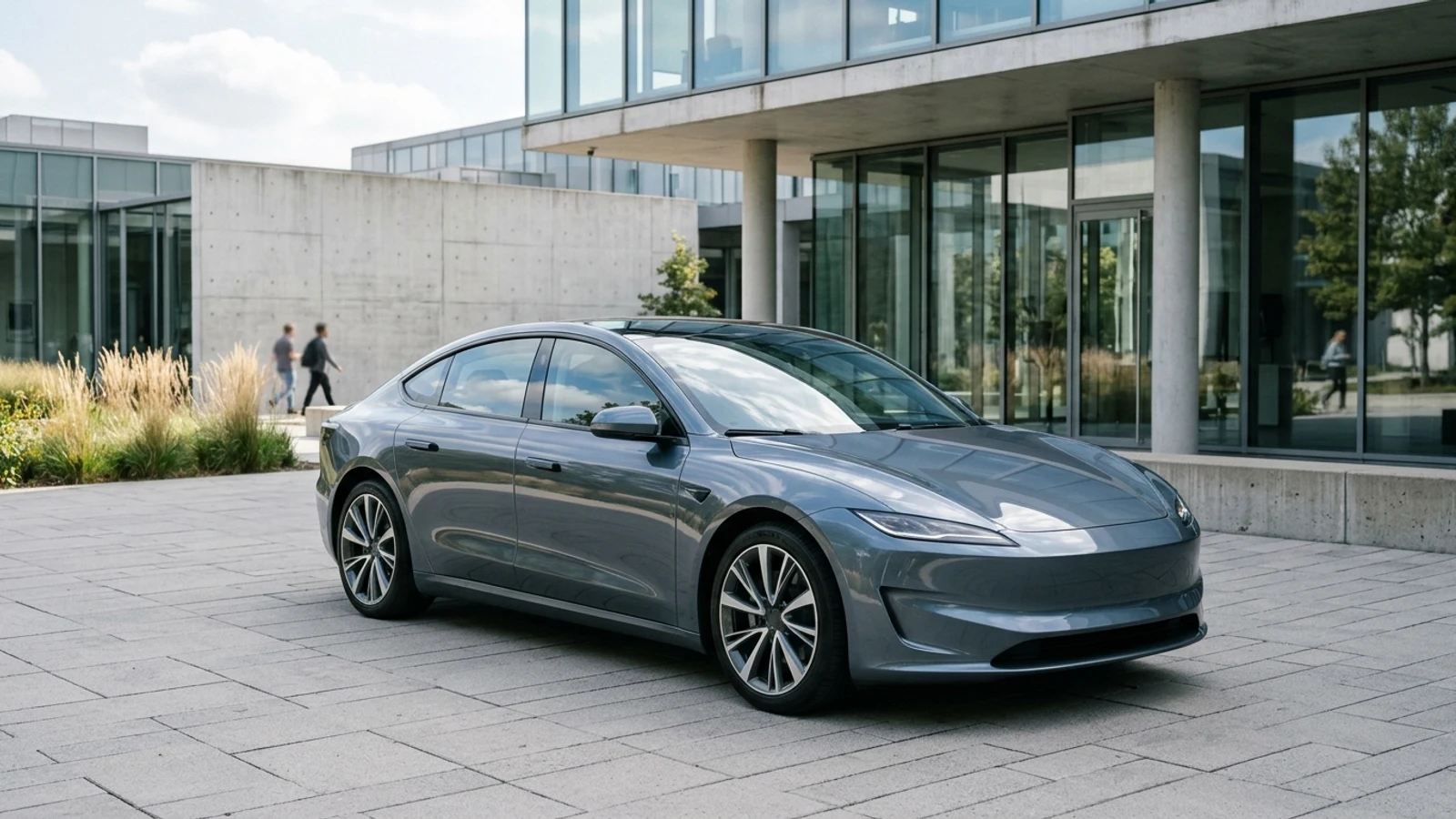
Tesla maintains a Model S lease program for consumers who find the base price of the vehicle, which reaches nearly $70,000, to be an obstacle to ownership. By working with financial institutions, the company provides a financing structure that requires a 10 percent down payment based on approved credit. Monthly installments under this plan begin at $1,097. While the program offers a pathway to the vehicle, it is distinct from outright purchase options that allow for federal tax exemption benefits. Source
The manufacturer estimates an effective monthly cost of approximately $500 for the Model S lease. This figure is a calculation based on several variable factors rather than a flat contract rate. These inputs include the anticipated financial savings realized from using electricity in place of gasoline, the impact of depreciation benefits, and other related financial considerations. The program provides the convenience of returning the vehicle at the end of the term, avoiding the personal burden of reselling the car. Source
Leasing a Model S involves specific trade-offs for the consumer. While the initial payment threshold is lowered, participants do not qualify for the electric vehicle tax exemptions available to those who purchase the vehicle outright. The company frames this financing product as an alternative to standard industry structures, aiming to provide a balance between the security of ownership and the flexibility of a traditional lease. This approach is intended to provide benefits directly to the individual consumer. Source
Full Self-Driving v15 and Interventions
Beyond financial products, Tesla released the Full Self-Driving v15 suite, which became available to the Early Access Program members over the weekend of November 22, 2026. This version of the software suite introduces performance capabilities such as navigation corrections, debris avoidance, and a function called Reality View. Tesla reports that the suite aims to reduce the frequency of critical interventions by 25 times compared to previous iterations, enhancing the overall functionality of the automated system. Source
A significant change in the v15 release is the removal of the Interventions Menu, which was previously a mandatory input requirement in the v14 version. Under the prior system, drivers were required to select from four categories—Parking, Navigation, Critical, or Other—whenever they took manual control of the vehicle. This mandatory feedback requirement led to owner dissatisfaction, as the menu would remain displayed on the screen until a selection was made, often resulting in users selecting 'Critical' by default regardless of the situation. Source
The removal of the Interventions Menu addresses feedback from the user base regarding the intrusive nature of the manual input process. Tesla may now rely on internal systems to determine the cause of any intervention, rather than depending on potentially inaccurate manual entries. The v15 suite continues to refine how the car handles autonomous driving duties, with the Reality View function acting as a major visual update that provides real-time information to the driver regarding the vehicle's environment. Source
AI5 Hardware Allocation
In hardware developments, Elon Musk confirmed on November 22, 2026, that the upcoming AI5 chip will be allocated exclusively for the Optimus humanoid robot. New Tesla vehicles will continue to utilize the existing AI4 computer, which the company maintains is sufficient for achieving superhuman driving performance. This decision provides clarity on the company's long-term hardware roadmap, distinguishing the computational requirements of autonomous vehicle navigation from the demands of general-purpose humanoid robotics platforms. Source
The strategy to focus AI5 silicon on the Optimus platform and training infrastructure follows internal analysis of current hardware performance. Tesla previously identified that AI4 offers the necessary headroom for unsupervised self-driving. While owners of older vehicles with Hardware 3 have expressed concerns regarding future capabilities and potential upgrade paths, Tesla is prioritizing its newest, most powerful chip for the robot project. AI5 has reached tape-out and is moving toward pilot production, with volume manufacturing scheduled for 2027. Source
Regarding corporate infrastructure, SpaceX has decided to decline approximately $738 million in federal broadband subsidies under the BEAD program. Despite withdrawing from the grant funding, the company maintains its commitment to provide service to the rural locations it was awarded. This agreement permits SpaceX to operate without complying with the extensive auditing, procurement, and reporting requirements that are typically standard under federal broadband subsidy programs. The NTIA has implemented a new model agreement for this purpose. Source
Under the new model agreement, SpaceX is still required to meet minimum service speeds of 100 Mbps download and 20 Mbps upload. The company must also pass program performance testing and submit reports every six months. New subscribers in covered regions will receive the required Starlink hardware at no cost and will have access to a low-cost service plan, though the monthly subscription fees remain in place. States now have the choice to sign the model agreement or rebid the locations previously awarded to SpaceX. Source

