
Fleet Modernization Strategy
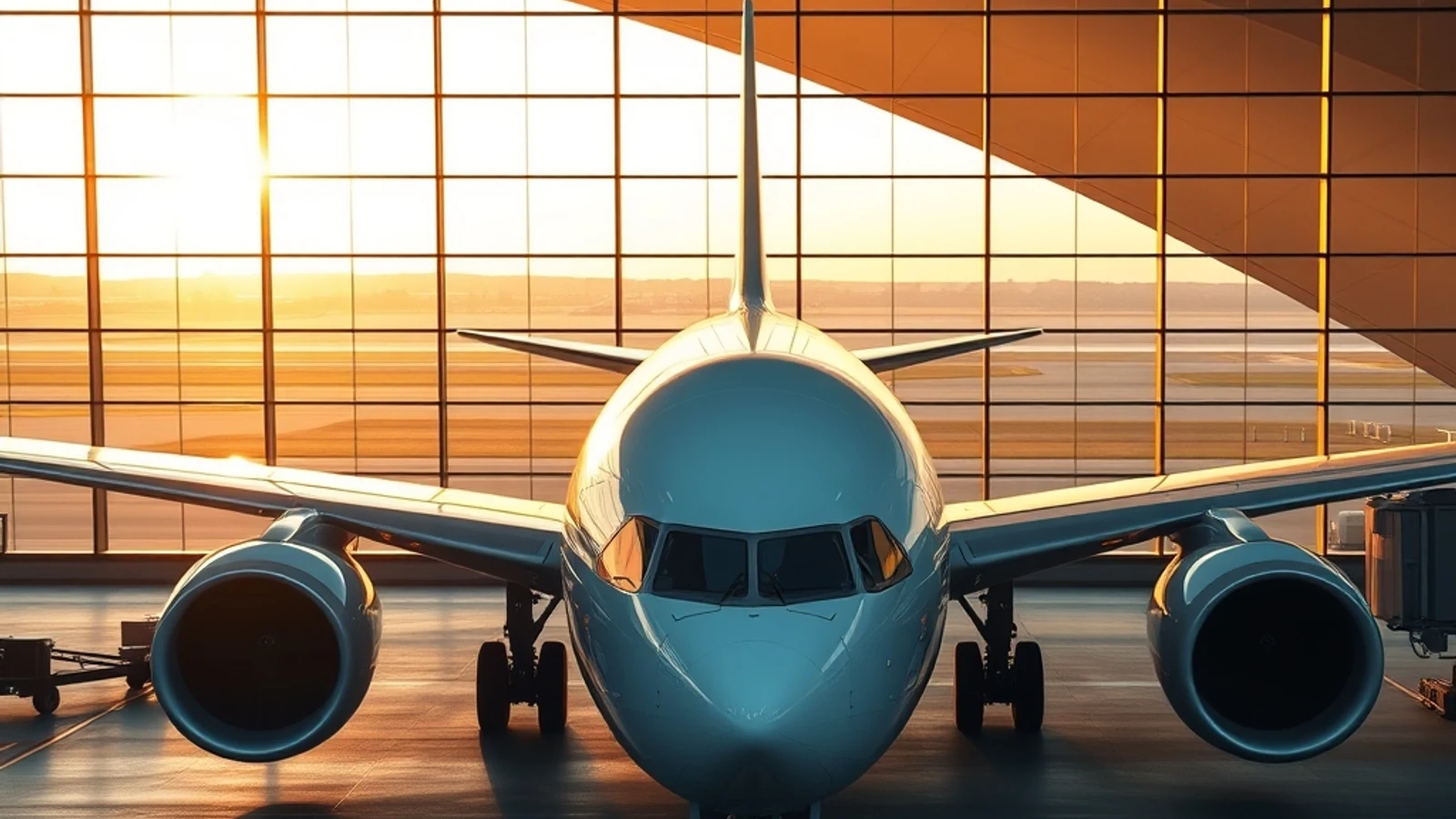
United Airlines is actively moving forward with a significant fleet modernization program, focusing on the replacement of its long-serving Airbus A320ceo family aircraft. As the carrier strives to enhance operational efficiency and lower costs, the older narrowbody jets are increasingly viewed as a mismatch against current maintenance demands and fuel price trends. With an average age of 26.7 years, these aircraft are reaching the final stages of their viable service life, prompting the airline to prioritize newer models like the A321neo. Source
The retirement of these 150 to 170-seat aircraft is a cornerstone of the 'United Next' growth plan. By transitioning toward the A321neo, which is capable of carrying 25–30% more passengers while maintaining a lower cost per available seat mile, United aims to increase capacity on its most popular domestic routes without needing additional airport slots. This move is particularly advantageous for the carrier’s operations in congested hubs like Newark and San Francisco, where slot growth is severely restricted. Source
Financial incentives for this transition are clear, as the airline has faced significant expenditure in recent years to keep the older fleet airworthy. In 2024 alone, United reported spending $100 million on engine maintenance for its aging narrowbody aircraft. Consequently, the airline earmarked at least 17 of its oldest A320 units for retirement between August and October 2025. This strategy allows the company to reinvest capital into newer, more fuel-efficient airframes rather than recurring structural inspections. Source
Passenger experience is also driving this shift, as the modern A321neo cabins offer features that older A320 models lack. These factory-fresh jets include Airspace XL overhead bins, integrated LED mood lighting, and modern connectivity options such as fast WiFi and seat-back entertainment. Retrofitting the 1990s-era interiors of the A320s is considered prohibitively expensive, leading the airline to favor full replacement over cabin upgrades to ensure product consistency for its corporate and loyalty members. Source
Digital and Operational Disruptions
The company’s strategic updates extended beyond hardware to software policy changes this month. On November 11, 2026, United Airlines updated its contract of carriage to restrict unauthorized third-party AI agents from accessing its digital booking platforms. The airline cited serious concerns regarding data privacy, potential for unauthorized account changes, and the inability of these automated systems to properly verify that a passenger's checked baggage contains no hazardous materials, a requirement under federal aviation regulations. Source
Under the new policy, any bookings made by unauthorized AI assistants are subject to cancellation by United. The rules require that any AI tool seeking to access company information or process tickets must first receive explicit written permission. While the airline has allowed for limited exceptions for rule-based booking automation used by travel agency employees, it currently maintains that it does not collaborate with any independent, personal AI agents that consumers might use to research or compare flight options. Source
This crackdown on automation coincides with broader stability challenges for the carrier. On November 16, 2026, United experienced a significant technology issue that resulted in a widespread disruption to flight departures. The company reported that the system failure, which forced many passengers to remain on tarmac-bound aircraft, was not related to cybersecurity or artificial intelligence. Despite the scale of the delay, which saw 592 flights impacted on that Monday, the carrier indicated that flights already in progress remained unaffected. Source
These technical issues occurred shortly after an unrelated nationwide ground stop issued by the Federal Aviation Administration on November 13, 2026. That earlier event, stemming from communications failures at air traffic control centers, caused over 10,000 flight disruptions nationwide. The proximity of these events has led to internal debate within the industry regarding the role of AI in rebooking passengers during times of large-scale disruption, as United's strict contract language now complicates the use of third-party tools for such tasks. Source
The broader industry remains divided on how to manage the integration of automated agents. While United has opted for a restrictive approach to protect its direct distribution channels and reduce potential service costs, competitors like Delta Air Lines are exploring authenticated interactions with external AI assistants. Meanwhile, JetBlue has signaled a willingness to adapt if customer usage patterns shift, highlighting the ongoing tension between operational control and the consumer demand for integrated product discovery. Source
Ultimately, the combination of fleet renewal and digital policy restriction reflects United's effort to standardize its service delivery. By phasing out older aircraft and centralizing its booking interactions, the airline aims to eliminate variables in passenger experience and operational performance. These moves are intended to solidify its market position, though they also highlight the significant reliance of modern airlines on the stability of complex, interconnected digital and mechanical systems across their global operations. Source

