Operational Milestones and Flight Performance
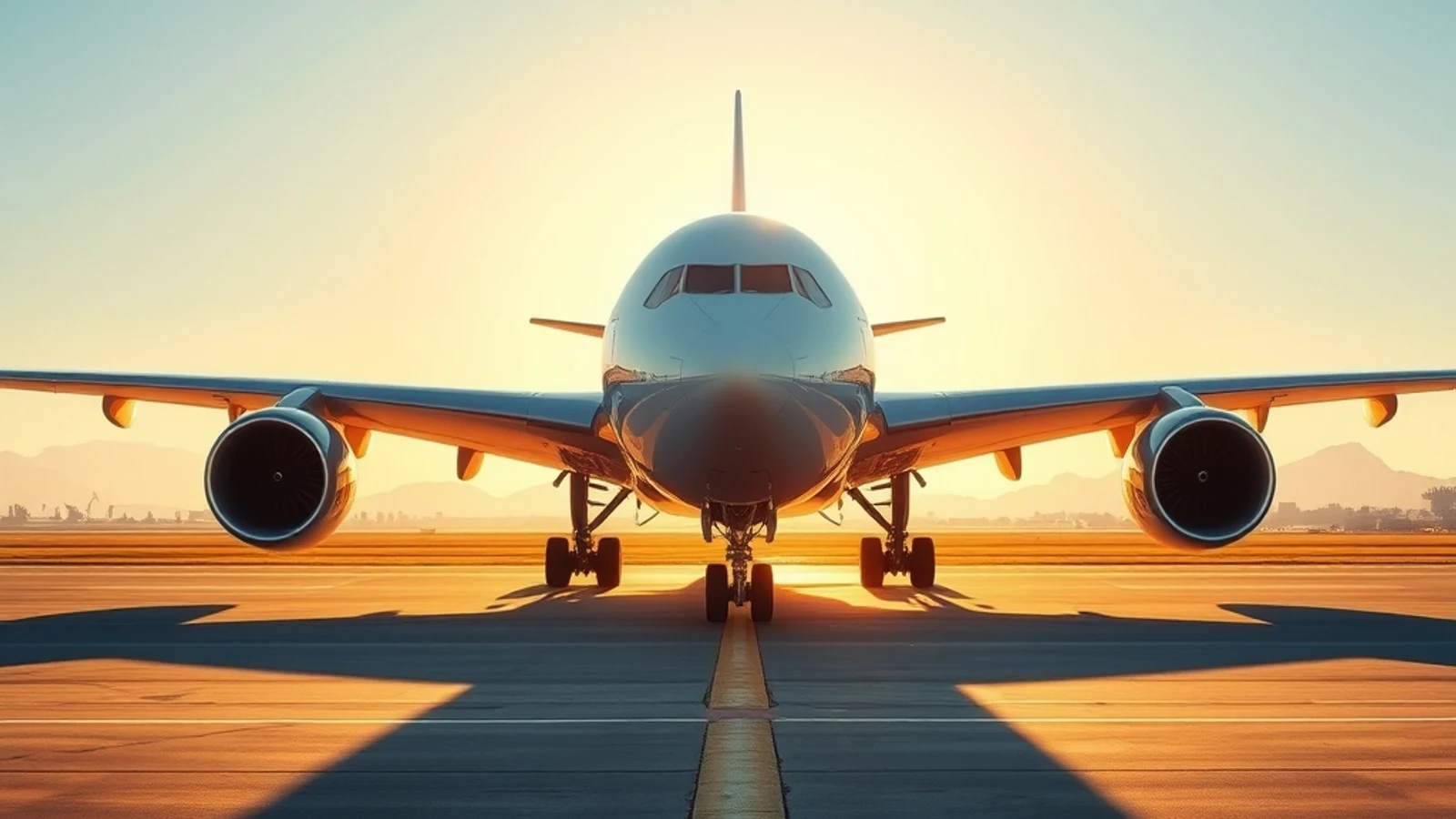
The Boeing 747-8 designated as the presidential Bridge aircraft recently completed a significant long-range flight, setting two distinct records for the United States Air Force. Following a diplomatic trip to the Asia-Pacific region, the jet departed from Shenzhen, China, at 5:54 PM local time on November 19, 2026. The flight proceeded nonstop to Joint Base Andrews, concluding with a landing at 8:01 PM local time, marking a milestone in presidential aerial transit operations. Source
According to documentation provided to the White House press pool, the mission achieved the heaviest takeoff in Air Force history, with the aircraft weighing just under one million pounds at the start of its journey. The sortie also represented the longest nonstop flight conducted by an Air Force One aircraft to date, lasting nearly 15 hours. The aircraft cruised at an altitude of 33,000 feet, maintaining an average speed of 500 knots while transiting airspace over Tokyo, Shemya, Winnipeg, and Cleveland. Source
President Donald Trump noted that the journey duration was approximately 14.5 hours. He contrasted this performance with traditional presidential travel, which typically requires a refueling stop and can extend to 20 hours of total flight time. The Bridge jet, which entered presidential service following its acceptance by the Air Force earlier this year, performed this mission using current equipment configurations. The airframe covered a distance of 7,500 nautical miles during the nonstop transit. Source
Technical specifications for the 747-8i indicate a maximum takeoff weight of 987,000 pounds, a figure the recent mission approached. While the aircraft is lighter than a fully loaded commercial airliner, its conversion to a presidential transport included the integration of specialized systems, the weight of which remains a subject of analysis. Unlike the older VC-25A airframes, the current Bridge jet lacks in-flight refueling capabilities, a feature omitted from the design during its conversion process. Source
The aircraft, which arrived at Joint Base Andrews in June 2026, serves as a temporary platform until the two purpose-built VC-25B presidential aircraft are delivered, currently expected in 2028. L3Harris managed the conversion of the gift from the Qatari government, a process completed over a 10-month period. Although the final modification cost has not been disclosed, earlier estimates placed it under $400 million, while the broader VC-25B program cost is cited at $5.3 billion. Source
Recent diplomatic travel has involved the deployment of all three presidential-capable 747 aircraft in the Asia-Pacific region. During the summit in Manila, the Bridge jet was accompanied by two older VC-25A aircraft, registered as 82-8000 and 92-9000. These older models retain the emergency capability to refuel in-flight. Reports indicate these aircraft stopped in Alaska for refueling on their return leg, highlighting operational differences between the legacy fleet and the new Bridge aircraft. Source
Operational Adjustments and Security Context
The Bridge aircraft recently experienced an operational diversion during its outbound journey to Asia. On November 16, 2026, the flight deviated from its planned refueling stop at Joint Base Elmendorf-Richardson in Anchorage and instead landed at Fairbanks International Airport. The change was attributed to extreme weather conditions in the Anchorage area. The White House and supporting officials confirmed the diversion was an operational decision to secure better climate conditions for the refueling process. Source
Media reports and social media speculation previously linked the jet's usage to ongoing discussions regarding its security capabilities. In July 2026, the President was involved in a transit modification in Turkey following a reported threat. That incident led to the use of a C-32A military transport for a portion of the flight to the United Kingdom, while the Bridge jet underwent subsequent maintenance. Administration officials have maintained that the jet is equipped with high-level security protocols. Source
Administration representatives have declined to detail specific ongoing upgrades, citing security grounds. While the jet has received cosmetic adjustments and routine maintenance, reports suggest it has yet to be fully equipped with the broader range of modifications originally projected. The administration stated that the aircraft's capabilities are maintained to ensure reliable transportation for the President, with further evolutions occurring as operational requirements dictate. Source
The following table summarizes key aircraft technical and operational benchmarks observed during the recent deployment to Asia: Source
| Metric | Value | Reference |
|---|---|---|
| Takeoff Weight | ~1,000,000 lbs | Air Force History Record |
| Flight Duration | ~15 Hours | Nonstop Sortie Record |
| Cruising Speed | 500 Knots | Reported Average |
| Max Range Requirement | 5,900-7,100 nm | Air Force Specifications |
The long-term plans for the Qatari-gifted Boeing 747-8 include its eventual transfer to the presidential library in Florida following the conclusion of the President's term in January 2029. Until then, it continues to serve as an interim asset within the presidential aviation fleet. Ongoing monitoring of the aircraft's performance during international sorties remains a focus for aviation analysts assessing the integration of custom defense systems on commercial airframes. Source