
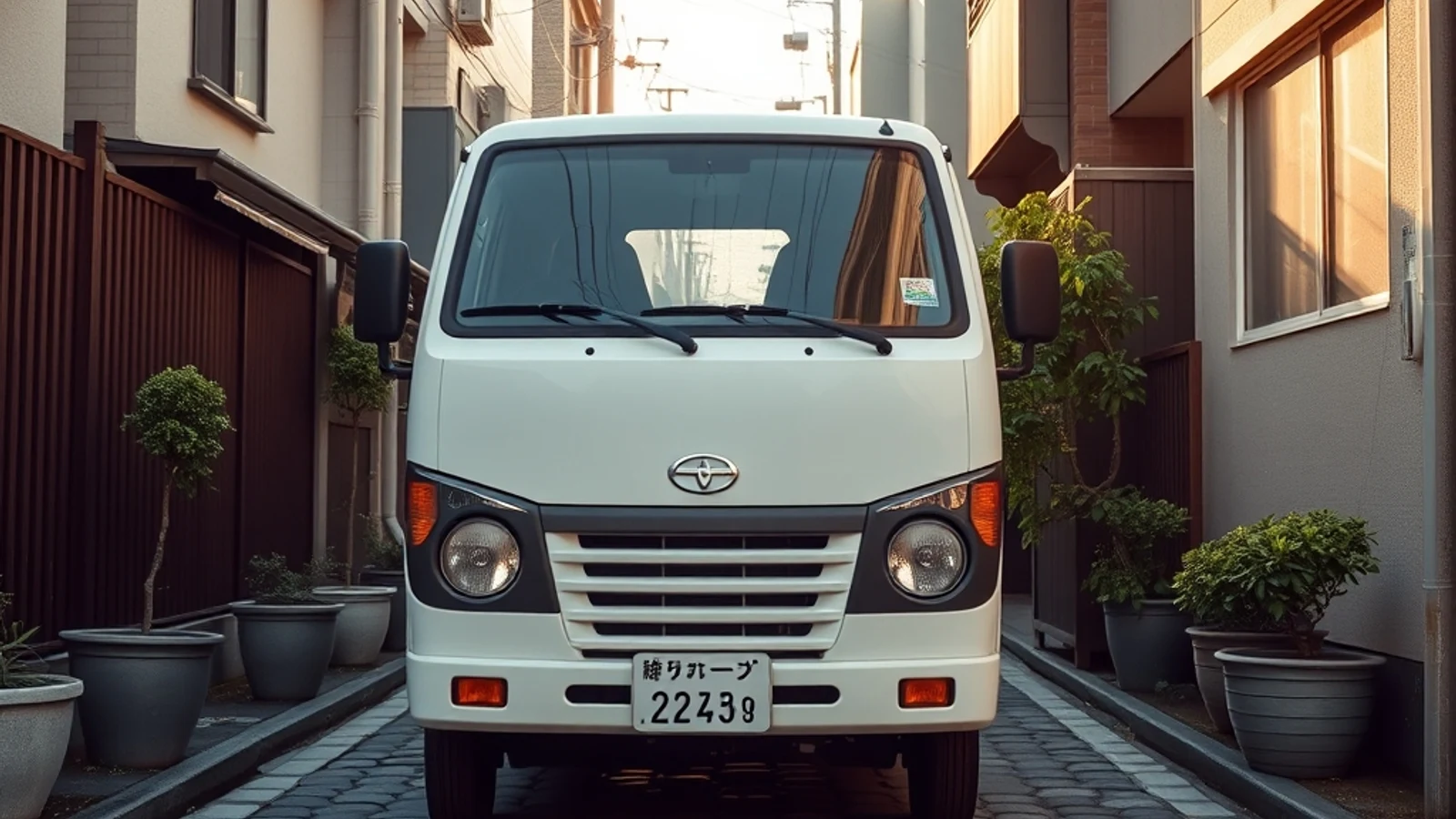
The 2000 Daihatsu HiJet has emerged as a notable option on the Bring a Trailer auction platform. As a classic example of the Japanese keijidosha segment, this vehicle benefits from import regulations that allow trucks aged 25 years or older to be brought into the United States. This specific unit has already been transported from Japan and is prepared for operation by its current owner, providing an immediate acquisition opportunity for those interested in compact utility vehicles. Source
For automotive enthusiasts following recent market developments, the HiJet serves as a physical point of comparison for the upcoming Scion-branded kei trucks. While these newer models are categorized as low-speed vehicles, the 2000 Daihatsu provides a historical foundation for the design architecture utilized by Toyota and its sub-brand. According to Car and Driver, the auction represents a chance to secure this platform immediately rather than waiting for the retail release of the upcoming Scion-branded offerings. Source
Utility and Design Specifications
In the domestic Japanese market, kei trucks are professional tools rather than leisure vehicles. They are widely utilized for essential tasks such as road maintenance, infrastructure construction, plumbing, and horticulture. The longevity of the HiJet model line, which dates back to the 1960s, is often compared in its cultural significance and utility to the Ford F-150 in the United States. Despite their small physical footprint, these trucks are engineered to provide substantial service in high-demand industrial environments. Source
Technical documentation for the 2000 HiJet reveals a specific mechanical layout built for versatility. The vehicle is powered by a 659cc three-cylinder engine centrally mounted within the chassis. This engine configuration generates an output of 42 horsepower. A five-speed manual transmission handles power delivery, while the drivetrain incorporates a selectable all-wheel-drive system. This allows the operator to toggle between rear-wheel drive and four-corner traction as terrain requirements dictate during off-road or construction site operations. Source
The cargo handling capabilities are defined by a payload rating of 770 pounds. The utility of the rear bed is further enhanced by side panels that fold down entirely, effectively converting the cargo space into a flatbed truck for easier loading of oversized items. These structural features allow the HiJet to perform logistical tasks in spaces that standard, full-size pickups cannot access, such as narrow farm tracks or constrained factory floor paths. Source
To ensure functionality for the auction, the selling dealer has performed a series of maintenance updates. These services included the installation of a new battery and a comprehensive tune-up. The tune-up process involved replacing the spark plugs and performing an oil change. These measures are intended to maintain the operational reliability of the vehicle, ensuring that it is in working order for the successful bidder following the conclusion of the auction on November 25. Source
Regulatory and Market Context
Potential owners must evaluate the regulatory landscape before finalizing a purchase. Legislation regarding the operation of kei trucks on public roads is determined by state authorities, resulting in a fractured set of rules. Some jurisdictions permit these vehicles on roads with speed limits of 35 mph or lower, while others restrict them entirely to private property usage. Prospective buyers should confirm their local statutory requirements regarding road legality before entering a bid. Source
The following table outlines the technical specifications provided by the seller and corroborated by automotive experts regarding the 2000 Daihatsu HiJet model currently listed for auction: Source
| Feature | Specification |
|---|---|
| Engine Displacement | 659cc |
| Engine Type | 3-Cylinder |
| Power Output | 42 Horsepower |
| Transmission | 5-Speed Manual |
| Drivetrain | Selectable All-Wheel Drive |
| Payload Capacity | 770 Pounds |
| Auction End Date | November 25 |
While the Scion Kei-01 model has captured public attention as a future entrant to the domestic LSV market, this 2000 HiJet offers a tested, functional alternative. Its ability to navigate tight spaces makes it a preferred tool for specific agricultural and industrial sectors. The combination of its 770-pound payload, manual transmission, and all-wheel-drive system provides a baseline for evaluating the capabilities of the broader kei truck segment in professional applications. Source
The auction listing acknowledges that although these vehicles appear minimalist in design, their performance in Japan is equivalent to the work-horse capabilities expected of modern, larger trucks. By importing a 25-year-old vehicle, buyers bypass the complexities of newer retail models while obtaining a machine ready to perform immediate duty in specialized environments such as factory complexes or hobbyist workshops. The market demand for such vehicles continues to focus on this blend of utility and portability. Source
As of November 21, the auction status remains open, allowing interested parties to monitor the final valuation of this specific Kei truck example. With the maintenance services completed by the seller, the unit serves as a standard for what is expected in a well-maintained, imported Japanese utility truck. Prospective bidders are encouraged to maintain awareness of the November 25 conclusion date to facilitate necessary logistics and regulatory compliance within their home jurisdiction. Source

