
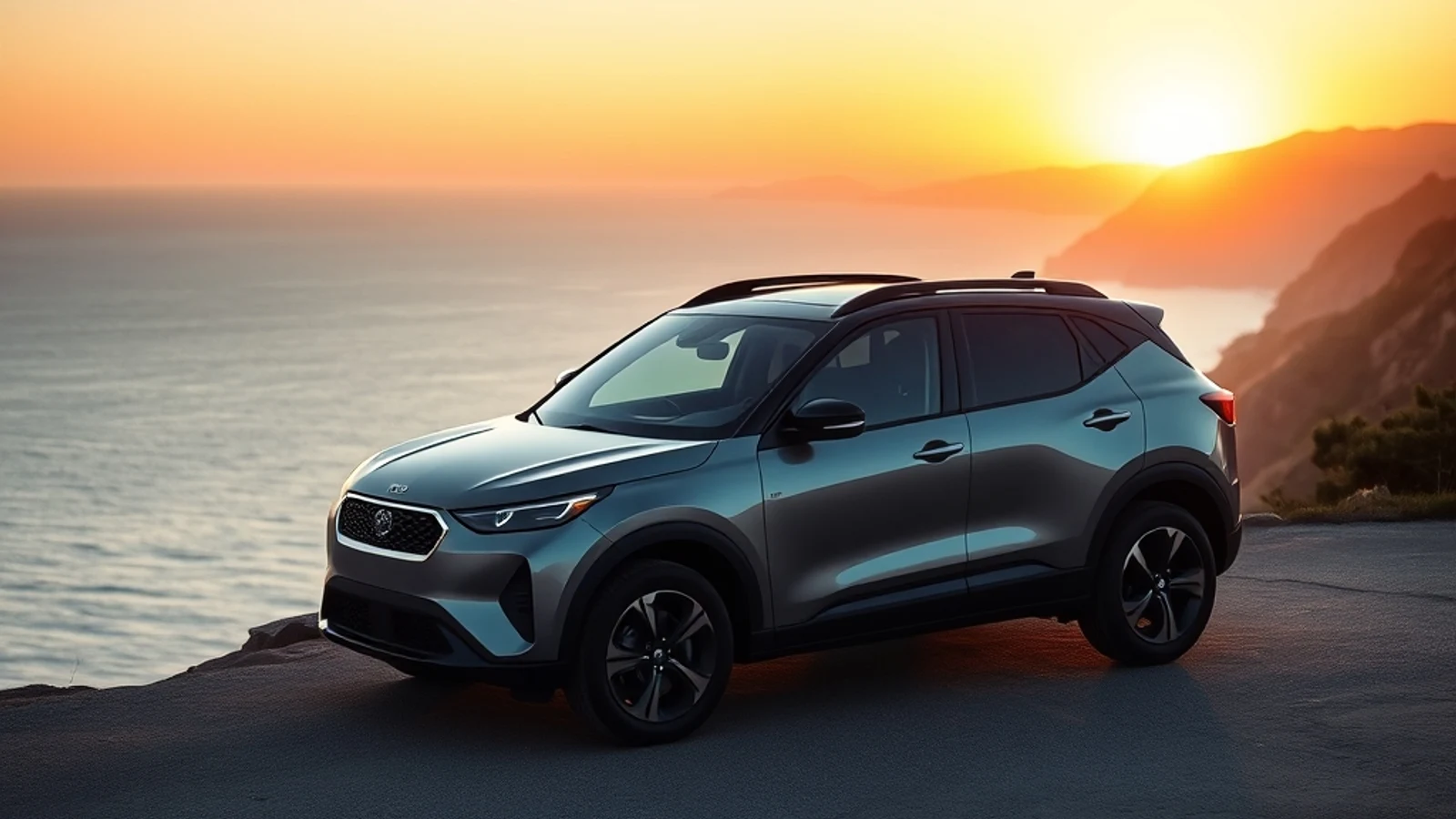
The 2026 Mazda CX-50 Turbo serves as a performance-oriented option within Mazda's compact family SUV segment. Under the hood, it is equipped with a turbocharged 2.5-liter inline-four engine. When fueled with 93-octane gasoline, this engine delivers 256 horsepower and 320 pound-feet of torque. While the vehicle is designed to run on premium fuel for peak output, Mazda notes that lower-octane fuels are acceptable, albeit with a slight reduction in power and torque figures. Source
Regarding performance on the road, testing indicates the 2026 Mazda CX-50 Turbo demonstrates capable acceleration for its class, with recorded times of 6.4 seconds to reach 60 mph. Beyond straight-line speed, the vehicle exhibits handling characteristics suited for daily use, recording 0.84 g on a skidpad during assessment. While base models of the CX-50 utilize a naturally aspirated 2.5-liter engine, all-wheel drive is standard across all available model configurations for this generation. Source
Inside the cabin, the CX-50 Turbo positions itself as a premium offering within the compact SUV market. The interior features a design focused on button-heavy controls and switches, emphasizing tactile feedback over a screen-only approach. While the infotainment screen is described as deep-set, the interior materials are noted for their high quality, with specific configurations like the white-seat interior option helping to provide a distinct aesthetic break from traditional darker color palettes. Source
The 2026 Mazda CX-50 Turbo and the 2026 Volkswagen Tiguan compete in the same segment, though they offer differing design priorities. While the Mazda emphasizes a driver-focused experience with high torque and a classic transmission, the Volkswagen focuses on internal volume and modern digital displays, including a 15-inch infotainment screen. The Tiguan offers massaging seats and a larger cargo capacity, whereas the Mazda provides a different set of premium amenities like a surround-view camera and blind-spot monitoring. Source
When comparing physical dimensions, the CX-50 is longer and possesses a longer wheelbase compared to the Tiguan, contributing to increased front legroom for the driver and front passenger. However, the more upright shape of the Tiguan gives it an advantage in rear cargo volume. The Mazda's weight is listed at 3864 pounds, which makes it the lighter vehicle in this comparison against the 4023-pound Volkswagen. Both vehicles rely on turbocharged gasoline engines to achieve their performance levels. Source
The fuel economy of these two SUVs is closely matched according to EPA estimates. Both models are rated for 29 mpg on the highway and 25 mpg combined, with the Mazda achieving a slightly higher city estimate of 23 mpg compared to the Volkswagen's 22 mpg. In independent highway testing at 75 mph, the Volkswagen Tiguan demonstrated higher efficiency with 31 mpg, while the Mazda CX-50 returned 28 mpg, performing slightly below its EPA highway estimate in that specific test condition. Source
Price positioning for these top-trim compact SUVs places the CX-50 Premium Plus at a lower entry point than the Tiguan SEL R-Line. The as-tested price for the Mazda was documented at $45,210, while the Tiguan reached $46,170. Feature differences, such as the Mazda's specific heated steering wheel heating zones compared to the Volkswagen's full-rim heating element, highlight the variation in equipment execution between the two manufacturers, catering to different preferences regarding comfort and functionality. Source
For consumers considering the 2026 Mazda CX-50 Turbo, the choice depends on whether the priority is the high torque of the 2.5-liter engine and the tactile interior or the increased cargo space and tech-focused cabin offered by competitors. The CX-50 continues to maintain a design that emphasizes a balance between rugged aesthetic elements and a premium interior finish, supported by a standard all-wheel-drive platform designed for diverse driving conditions. Source
Looking at the broader market, other 2026 models reflect shifting strategies in luxury and utility segments. The 2026 Lexus ES350h, for example, has moved to a hybrid-only or battery-electric lineup, introducing significant exterior and powertrain changes. This contrasts with the 2026 Mazda CX-50, which retains its focus on a turbocharged gasoline powertrain, illustrating that while some segments are rapidly electrifying, internal-combustion turbo power remains a core strategy for Mazda's current compact SUV offerings. Source
Additional industry news notes that Toyota intends to enter the compact-pickup segment with the Scion Kei-01, which is scheduled for assembly in Indiana starting in 2027. This vehicle is distinct from the current SUV market due to its restricted 25-mph capability and focus on ergonomic, low-load bed design. Such developments highlight the varied directions manufacturers are taking, from refining existing turbocharged SUVs like the CX-50 to exploring entirely new segments and utility-focused automotive designs. Source
In summary, the 2026 Mazda CX-50 Turbo provides a performance-oriented alternative to the more utility-focused compact SUVs on the market. With 320 pound-feet of torque, it prioritizes power delivery while maintaining standard all-wheel drive. While it faces stiff competition in fuel efficiency and cargo space, its interior quality and mechanical approach serve as its primary competitive advantages for buyers seeking a vehicle that blends family utility with a more traditional, high-torque driving experience. Source
The CX-50's role within Mazda's lineup is to provide a bridge between their standard crossovers and more specialized performance vehicles. Future updates are anticipated, as current reports suggest the infotainment system may eventually be revised to better align with the latest industry standards found in other models. For now, the 2026 model year maintains a focus on its established turbocharged powertrain and all-wheel-drive capability as the primary selling points for the brand's compact SUV customers. Source

