
Engineering and Design Constraints
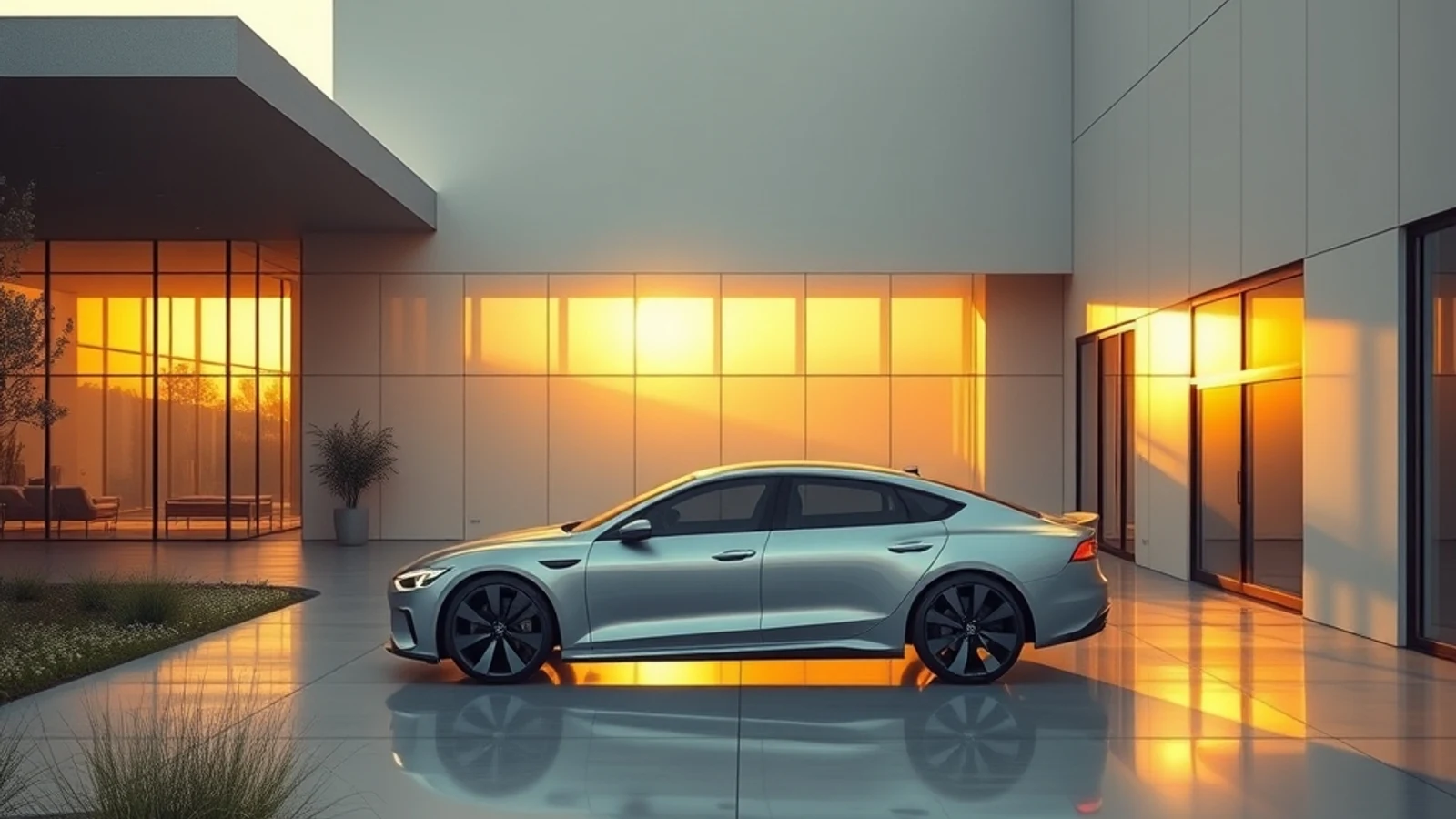
Hyundai designers evaluated moving away from the traditional three-box sedan configuration for the 2027 Elantra, specifically exploring a fastback-style liftback. According to Simon Loasby, head of Hyundai's design center, the team began envisioning this alternative body style as early as March 2023. While the sedan segment is evolving with automakers increasingly opting for lowered rooflines and smaller trunk openings, Hyundai ultimately rejected the liftback approach for the production model to maintain core priorities. Source
The primary design challenge centered on rear-seat ergonomics and chassis integrity. Implementing a tailgate that opened up to the roofline would have necessitated significant mechanical compromises. Loasby explained that such a configuration encroaches on rear headroom and requires heavy, complex hinges. By sticking to a traditional sedan layout, Hyundai preserved more legroom, headroom, and shoulder space for passengers, while avoiding the need for a bulky frame around the rear window that a liftback would demand. Source
Cost management played a significant role in the final production decision. Adding an oversized cargo opening requires additional structural stiffening throughout the chassis, which increases both the engineering complexity and the material requirements. Furthermore, large hatch mechanisms introduce potential noise, vibration, and sealing issues that require extra insulation. Given that the Elantra is positioned as an affordable vehicle with a starting price expected to be under $25,000, these added expenses were deemed unnecessary for the market segment. Source
Although the liftback was sidelined, designers focused on maximizing the usability of the traditional trunk opening. Some of the visual elements from the fastback concept, including specific black trim, were utilized to create an illusion of a more dramatic roofline that extends toward the rear. This allows the vehicle to retain a sleek, sporty aesthetic while providing a practical, usable cargo area that remains more accessible than its profile might otherwise suggest to the casual observer. Source
Beyond the liftback and sedan configurations, Hyundai designers also internally modeled a station wagon variant for the new Elantra. This indicates a wider exploration of body styles during the early development phases. However, the company specifically excluded the prospect of a shorter hatchback, similar to the previously discontinued Elantra GT. While the station wagon concept was seriously contemplated, there is currently no indication why that specific body style did not progress to a production-ready model for the 2027 release. Source
Technology and Interior Specifications
The 2027 model year introduces the gas-powered Elantra, while the Elantra Hybrid is designated as a 2028 model. The exterior styling follows Hyundai’s 'Art of Steel' theme, previously seen on the 2027 Tucson. This design language utilizes flat surfaces and sharp creases to emphasize the raw sheetmetal. The front end features a distinct, knife-edge prow. While the rear end includes a diffuser-like bumper and an exaggerated lip spoiler, some reviewers prefer the clean two-box profile, though long rooflines were chosen for aerodynamic efficiency. Source
Inside the cabin, the 2027 Elantra shares components with the Tucson, including furniture-inspired rounded elements on armrests and the dashboard. A notable distinction is the center console; the Elantra opts for a single-level layout equipped with two wireless chargers, differing from the Tucson's split-level design. Top-tier trims are expected to feature rich upholstery, assumed to be Hyundai’s H-Tex synthetic leather, complemented by ambient lighting systems designed to enhance the overall luxury feel of the compact sedan. Source
The infotainment experience is driven by the AI-enhanced Pleos system, displayed on a massive center screen. Similar to the Tucson, this screen uses a 30/70 split-screen interface. The left third displays the speedometer and essential vehicle information, while the right two-thirds are dedicated to navigation, infotainment, and smartphone integration via Apple CarPlay and Android Auto. This layout mirrors a trend in minimalist interiors, requiring drivers to adapt to a screen-heavy control environment for primary vehicle operations. Source
The primary difference between the Elantra's configuration and Tesla’s central-screen-only layout is the inclusion of a ribbon-style driver’s display. This small screen is positioned above and ahead of the steering wheel for quick glance-over speed and turn-signal information. However, this component is restricted to higher trims. Entry-level Elantra models will lack this display entirely, forcing owners to rely on the center infotainment screen for all driving data, which may present accessibility concerns for some operators. Source
For quick reference, the following table summarizes key distinctions in the development and feature landscape for the new Elantra models based on reported data from the manufacturers and analysts. Source
| Feature | Implementation | Notes | Source
| :--- | :--- | :--- | Source
| Body Style | Sedan | Liftback considered but rejected due to cost/weight | Source
| Interior Screen | Pleos AI System | 30/70 split-screen interface | Source
| Driver Display | Ribbon-style | Only on higher trims; omitted on entry-level | Source
| Center Console | Single-level | Includes dual wireless chargers | Source

