
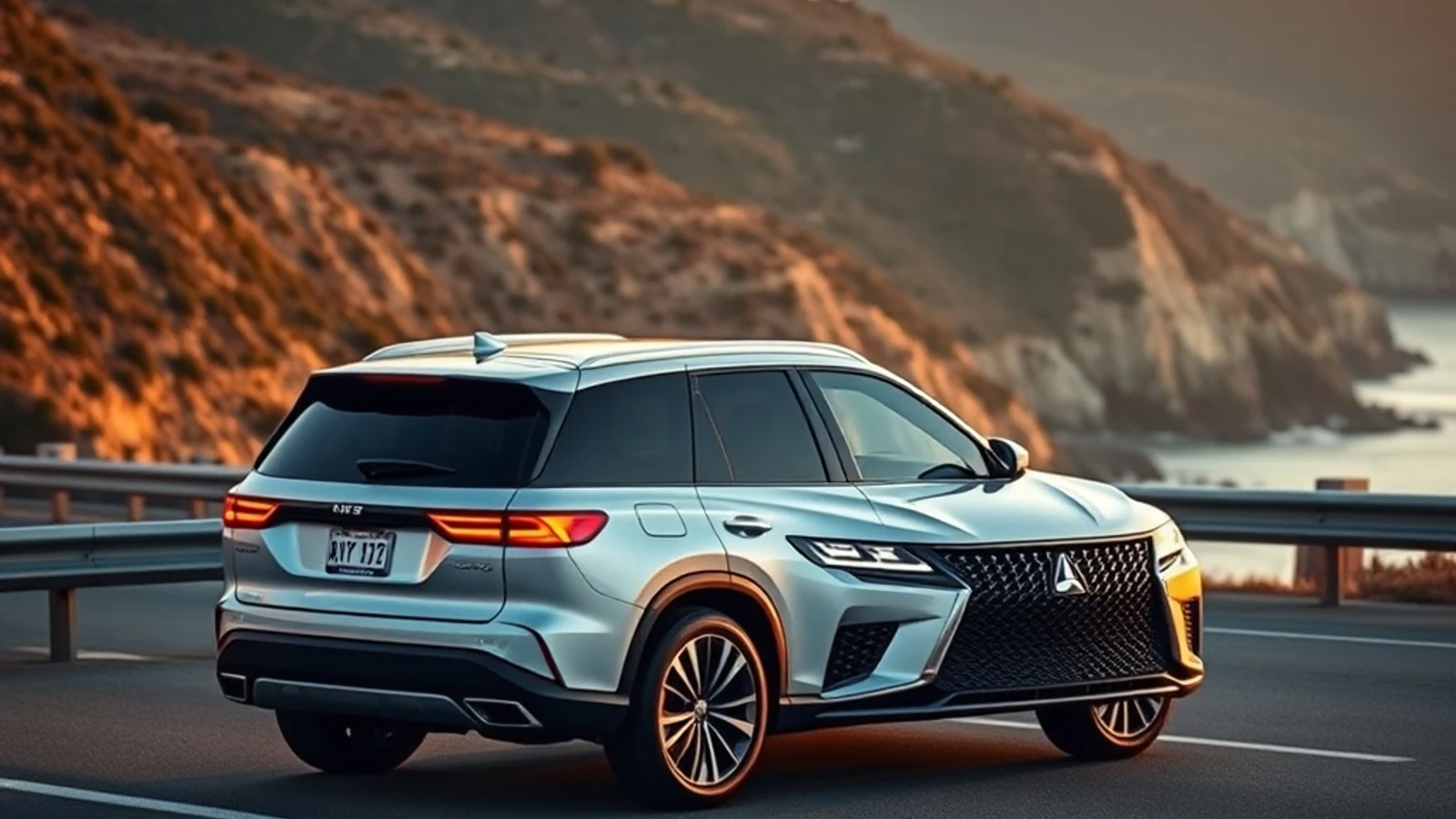
The 2027 Audi Q7 marks a significant update for the manufacturer, transitioning into a new generation that emphasizes a more upright, wider, and traditional boxy aesthetic compared to its predecessor. Designed on the Premium Platform Combustion architecture, the vehicle moves away from recent trends of sloping rooflines, ensuring that rear-seat passengers retain headroom comparable to front-seat occupants. The front end features a taller hood, providing a more confident visual profile, while the vehicle rolls on either 20-inch or 22-inch wheel options depending on the chosen configuration. Source
Under the hood, the 2027 Q7 is powered by an updated 2.9-liter turbocharged V6 gas engine. This powertrain delivers 429 hp and 442 lb-ft of torque, with output peaking between 5,500 and 6,800 rpm and torque available from 2,000 to 4,500 rpm. The engine is paired with an 8-speed automatic transmission and Audi's signature quattro all-wheel-drive system as standard. According to manufacturer data, this configuration allows the midsize luxury SUV to accelerate from 0-60 mph in 4.8 seconds. Source
The interior of the new Q7 reflects a focus on clean, streamlined surfaces where functional elements like air vents are largely integrated into the background. However, these vents are electronically adjusted via the central display screen, a change that some users may find less precise than traditional manual controls. Furthermore, Audi has combined turn signal and wiper operations into a single steering column stalk to repurpose space on the center console for transmission controls, requiring drivers to develop new muscle memory for common functions. Source
As a core family vehicle, the 2027 Q7 maintains its three-row seating layout, accommodating seven passengers as standard. Buyers have the flexibility to select second-row captain's chairs for increased space, though the standard bench seat is capable of fitting three child seats side by side. For enhanced comfort, Audi offers optional 'Sports Seats plus' for the front row, which include integrated lighting. The cabin's luxury aesthetic is further bolstered by material options like open-pore wood inlays and fine-grain ash. Source
Technology is a major component of the 2027 Q7's market positioning. The infotainment setup includes a panoramic curved design with OLED technology, encompassing both the virtual cockpit and MMI touch display. A passenger-side display is included as a standard feature, offering a dynamic privacy mode to prevent driver distraction while allowing passengers to access music, gaming, and navigation software from the integrated app store. Certain connected services, such as the ChatGPT-powered assistant and real-time traffic data, require a subscription. Source
Audi emphasizes the safety capabilities of the new Q7, particularly through its advanced lighting systems. The vehicle features digital daytime running lights and optional OLED taillights, but the highlight is the digital Matrix LED headlight system. Available as part of a $1,600 Vision package, this technology uses a matrix of over 25,000 micro LEDs. These lights can create precise shadows around other vehicles, allowing the high beams to remain active while shielding oncoming drivers from glare. Source
For audiophiles, the Q7 provides an optional Bang & Olufsen premium sound system. This 4D setup utilizes 22 speakers and generates up to 1,360 watts of power. The system incorporates headrest-mounted speakers and seat-based actuators that produce vibrations synced with the audio playback to simulate an immersive concert environment. While performance and luxury are prioritized, Audi's official EPA estimates for the 2027 Q7 indicate fuel economy figures of 16 mpg in the city, 23 mpg on the highway, and 19 mpg combined. Source
Pricing for the 2027 Audi Q7 begins at a base MSRP of $70,900. Audi offers a Premium Plus upgrade package for an additional $4,400, which introduces heated contact points and power-closing doors, alongside the standard Bang & Olufsen 3D sound system. A range-topping Prestige trim is available for an additional $14,000 above the base price, which includes the advanced Matrix lighting and a panoramic sunroof with variable light transparency control as standard equipment for this higher tier. Source
The following table summarizes key performance specifications for the base trim of the 2027 Audi Q7 as reported by CarBuzz. Source
| Specification | Detail |
|---|---|
| Engine | 2.9L Twin-Turbo V6 |
| Horsepower | 429 hp @ 5,500-6,800 rpm |
| Torque | 442 lb-ft @ 2,000-4,500 rpm |
| 0-60 MPH | 4.8 Seconds |
| Transmission | 8-Speed Automatic |
| Drivetrain | All-Wheel Drive |
Prospective buyers should weigh the added convenience of the vehicle's tech-heavy interface against the potential learning curve of the new control layout. While the cabin is designed to be highly user-centric, the reliance on screen-based adjustments for air vents and the consolidation of stalks for turn signals and wipers represent a departure from traditional physical controls. Audi states that the current setup is intended to maximize cabin space and provide a more streamlined dashboard aesthetic. Source
CarBuzz notes that while the Q7 is a core family product, it functions as a lower-tier alternative to the flagship Q9 within Audi's wider SUV lineup. Despite this, the Q7 retains high standards for material quality and technological integration. The manufacturer's decision to offer various seating configurations, including the option for captain's chairs, continues to focus on the versatile needs of families while maintaining the performance-oriented characteristics of the twin-turbo V6 powertrain. Source

