
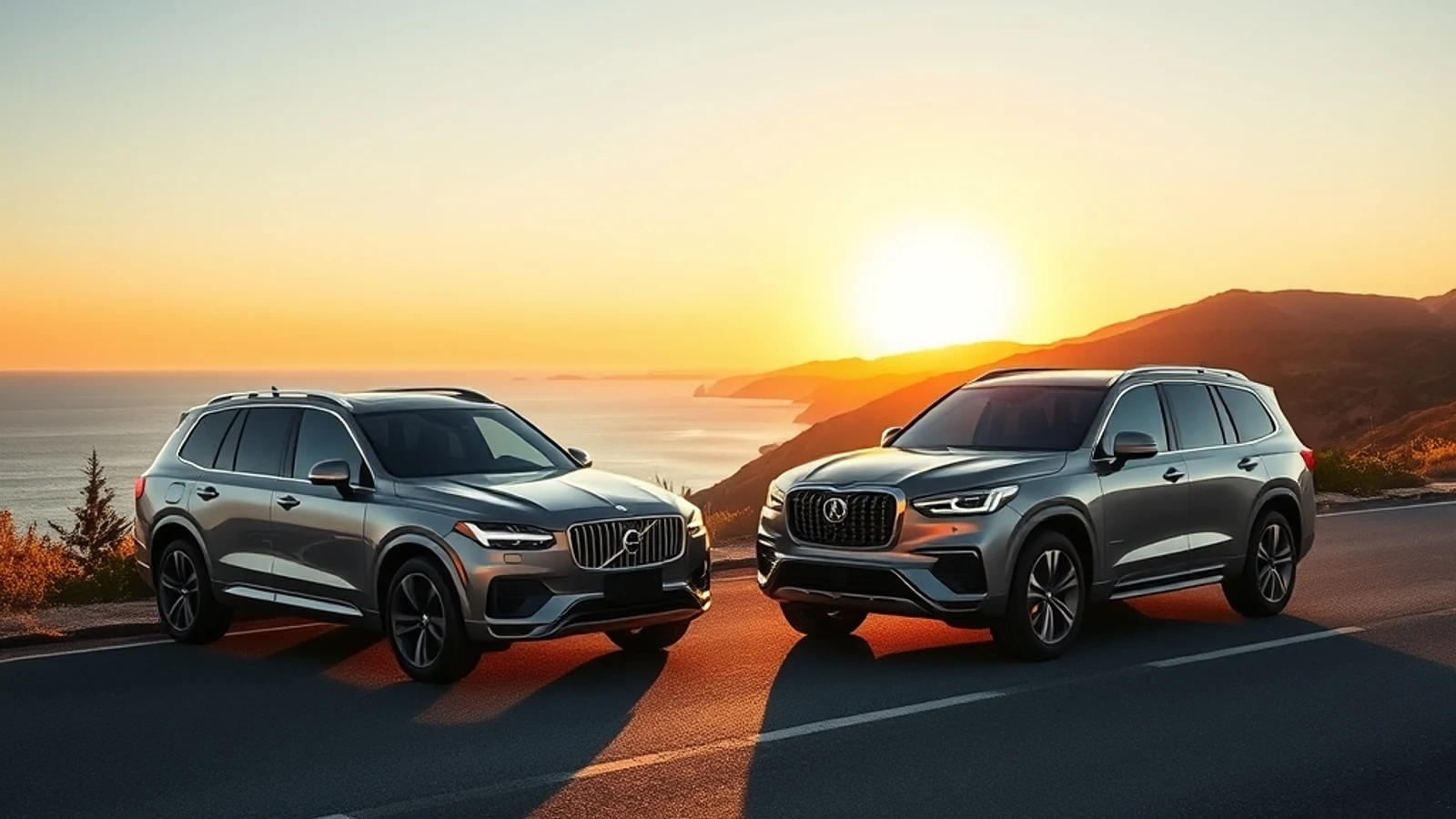
New Generation Versus Facelift
The 2027 model year marks a significant point for the premium SUV market as both the BMW X5 and the Mercedes-Benz GLE introduce substantial updates to their lineups. According to CarBuzz, the BMW X5 represents an entirely new generation of the vehicle, built on the forward-looking Neue Klasse architecture. Conversely, the Mercedes-Benz GLE arrives with a comprehensive facelift, maintaining its existing platform while incorporating design refinements and technical upgrades intended to keep the model competitive. Source
BMW has reimagined the X5 exterior for 2027 with a taller front end and a notably reduced kidney grille featuring an illuminated border known as Iconic Glow. The headlights have moved to a double-X design, and the rear of the vehicle maintains an imposing stance with flared wheel arches and matte black trim. The automaker notes that the visual identity of the X5 varies by powertrain, with the upcoming fully electric iX5 adopting a minimalist aesthetic by removing horizontal air intakes. Source
The Mercedes-Benz GLE facelift focuses on aligning the SUV with the brand's latest design language, featuring a reworked front bumper that aims for a more rugged and sophisticated appearance. The headlights now incorporate an elegant twin-star motif and an integrated black panel that connects them to the radiator grille. Furthermore, the vehicle utilizes the Digital Light system for adaptive illumination. Optional features include an illuminated chrome frame surrounding the classic Mercedes-Benz star on the front grille. Source
Performance and Powertrain Specifications
Powertrain availability for the 2027 BMW X5 follows a phased rollout. The market entry begins with the X5 40 xDrive, which utilizes an updated B58 3.0-liter turbocharged inline-six engine. This engine generates 394 hp and 428 lb-ft of torque, enabling a 0–60 mph sprint time of 5.1 seconds and an electronically capped top speed of 155 mph. Additional future variants will include a rear-wheel-drive version, a plug-in hybrid X5 50e, an M Performance V8 model, and the iX5 60 xDrive electric vehicle. Source
The 2027 Mercedes-Benz GLE offers a broader range of launch configurations compared to the initial X5 release. The entry-level 350 4MATIC uses a 2.0-liter turbocharged four-cylinder producing 255 hp and 295 lb-ft of torque. The 450 4MATIC, powered by a 3.0-liter inline-six, has been upgraded for the 2027 model year to output 375 hp and 413 lb-ft of torque, aided by a new cylinder head and electric auxiliary compression. The 500e 4MATIC plug-in hybrid provides 429 hp and 502 lb-ft, with an estimated 65 miles of electric range. Source
For performance-oriented buyers, the Mercedes-Benz GLE lineup is headlined by the 580 4MATIC variant. This model is equipped with a 4.0-liter twin-turbocharged V8 engine that produces 530 hp and 553 lb-ft of torque. This V8 offering serves as the current flagship for the GLE range, contrasting with the BMW strategy of bringing a V8 M Performance variant to the market at a later date. Each model in the Mercedes portfolio leverages specific engineering improvements to enhance efficiency and power output. Source
Interior luxury in the new BMW X5 has been upgraded with new material choices, most notably the use of slate for the first time. The optional Clear & Bold design package combines this stone with crystal glass elements on dials and knobs. BMW has also increased rear-seat knee room due to the longer wheelbase and added cushion depth for improved comfort. However, a significant change is the removal of the three-row seating option, which may affect families requiring more than five seats in their vehicle. Source
Infotainment for the BMW is managed via the Panoramic iDrive system. This setup features a 17.9-inch touchscreen, a 3D Head-Up Display, and the BMW Panoramic Vision feature, which projects data across the lower portion of the windshield. A passenger-side screen is available as an option. In contrast, the Mercedes-Benz GLE employs the MBUX Superscreen, which integrates three 12.3-inch displays behind a single glass surface. The front passenger screen is standard on the GLE, whereas it remains optional on the BMW. Source
The Mercedes-Benz GLE interior design emphasizes personalization through ambient lighting and new air vent shapes. Mercedes retains the optional third row of seating, providing an advantage for those needing extra passenger capacity. The cabin technology runs on the Mercedes-Benz Operating System (MB.OS), which supports cloud connectivity and over-the-air updates. An AI-powered virtual assistant, developed using technology from Microsoft, Google, and ChatGPT, is integrated into the system to handle various driver requests. Source
Driver-assistance technology remains a focal point for both manufacturers. The Mercedes-Benz GLE utilizes a water-cooled processor supported by 10 exterior cameras, 12 ultrasonic sensors, and up to five radar sensors to manage its suite of safety features. While both vehicles offer adaptive cruise control, lane-keep assist, and parking assistance as standard or optional, the platforms are designed to expand their functional capability over time through ongoing software improvements managed by the onboard systems. Source
Pricing for the 2027 BMW X5 40 xDrive has been established, with a starting price of $72,100, excluding the mandatory destination charge. Pricing for the updated Mercedes-Benz GLE was not confirmed by the manufacturer at the time of the November 22, 2026 report. While both vehicles compete closely in the luxury segment, the X5 holds the distinction of being a fully new model, whereas the GLE represents a facelift of an existing, proven generation platform. Source

