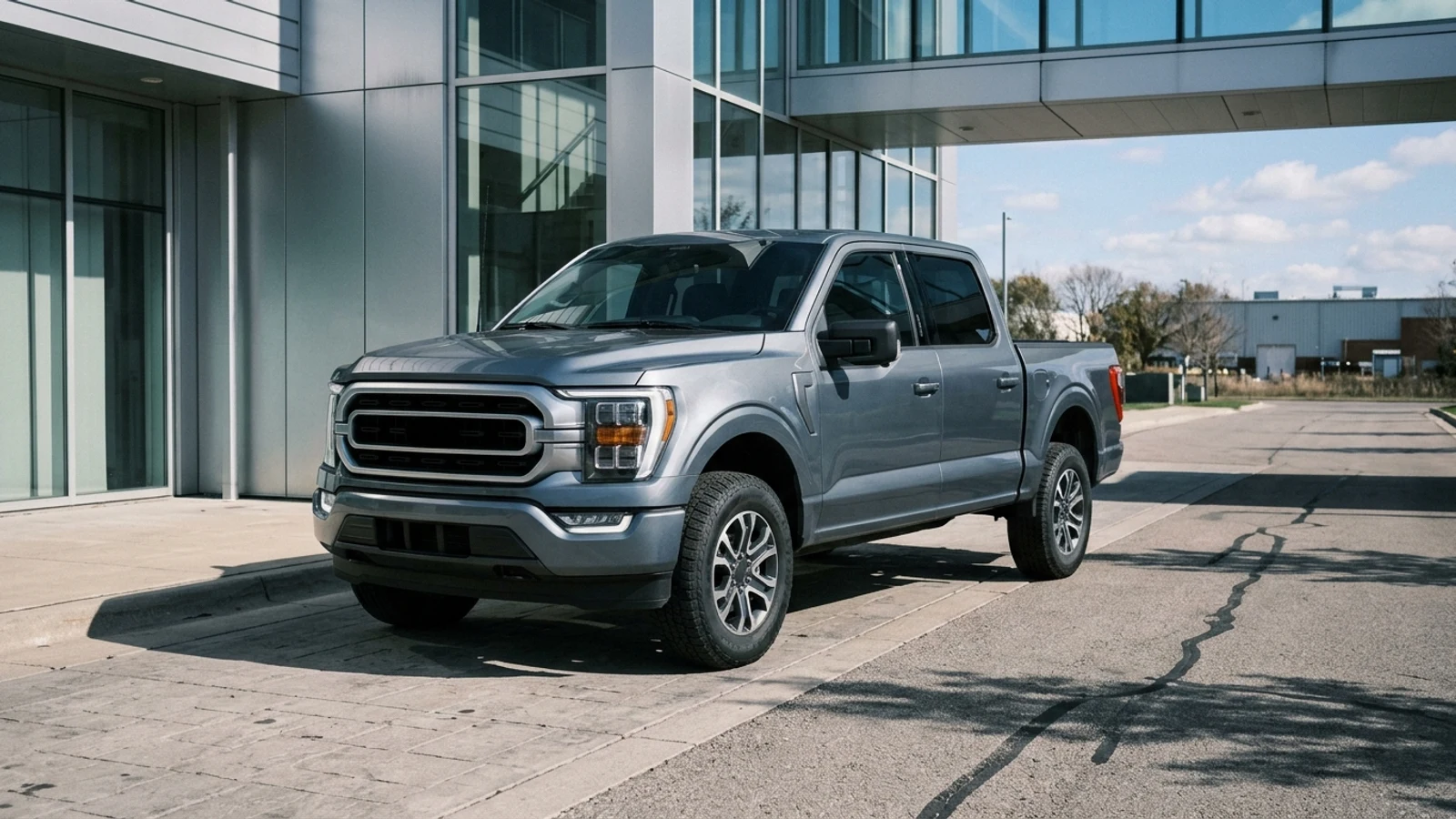
The 2027 Ford Ranger lineup currently exhibits a unique market position regarding its original price point. According to market data from November 2026, the average used transaction price for the 2027 Ford Ranger reaches $37,015. This figure stands in contrast to its original manufacturer-suggested retail price of $34,020. Market analysis indicates this represents a premium of $2,995, or approximately 8.8% above the original suggested price, establishing a distinct trend for the model year in the current automotive marketplace. Source
In the broader competitive field, domestic mid-sized pickups such as the Ford Ranger and the Chevrolet Colorado represent a significant portion of the segment. While full-size trucks typically lead in total volume, this mid-sized category maintains intense competition. Manufacturers offer a range of configurations, from entry-level work-oriented models to high-performance, off-road specialty trims like the Ranger Raptor and the Chevrolet Colorado ZR2, which cater to diverse consumer demands within this specific segment. Source
When assessing long-term ownership costs, depreciation and resale value remain critical metrics. Data suggests that the Ford Ranger consistently holds its value better than the Chevrolet Colorado, often by a substantial margin. Various third-party automotive researchers confirm this trend, although real-world outcomes depend on specific trim levels, vehicle condition, and regional market variances. Despite these variations, the Ranger demonstrates a strong capability to retain its initial value compared to several direct domestic rivals. Source
Comparative depreciation figures highlight the differences in value retention across brands. CarEdge reports a five-year depreciation rate for the Ranger at 28%, with an estimated resale value of $33,592. Conversely, the Chevrolet Colorado is estimated to have a 48% depreciation rate over the same period, with an estimated value of $22,629. Another researcher, iSeeCars, notes the Colorado at a 37.7% depreciation rate, while the Ranger maintains a rate just over 30% after five years of ownership. Source
Within the General Motors portfolio, the GMC Canyon offers an interesting case study for resale value. Although the Canyon shares the same underlying platform as the Chevrolet Colorado, it achieves superior depreciation performance. CarEdge data suggests a 37% five-year depreciation rate for the Canyon, while iSeeCars suggests a 33.6% rate. This indicates that branding and styling choices within the same corporate structure can influence how vehicles perform in the used market, often favoring more luxury-positioned marques. Source
For consumers where absolute resale value is the primary driver of purchase, the Toyota Tacoma remains a dominant force in the industry. The Tacoma is widely recognized for low depreciation, consistently ranking among the top five vehicles of any category in value retention. While domestic trucks like the Ranger perform well above average compared to full-size counterparts like the Ford F-150 or Chevrolet Silverado 1500, the Tacoma remains a benchmark for buyers prioritizing future resale performance. Source
2027 Ford Ranger MSRP Breakdown
The following table summarizes the key MSRP figures for 2027 Ford Ranger trims, reflecting the manufacturer's baseline pricing for the current model year as reported. Source
The automotive industry continues to evaluate these models based on utility, comfort, and reliability. Previous generations of the Ford Ranger were noted for their turbocharged powertrains and 10-speed automatic transmissions, which contributed to favorable on-road handling characteristics. While new model years introduce changes, brand loyalty and the performance of earlier units continue to influence the overall market perception and, by extension, the depreciation trends observed in broader industry studies covering the last half-decade. Source
Recent studies, including those by ISeeCars based on over 800,000 transactions between March 2024 and February 2025, underscore that trucks generally hold value better than other vehicle classes. This phenomenon is largely attributed to the unique capabilities of pickups, for which there are few direct substitutes in the automotive market. As a result, even used buyers face a marketplace where recouping a significant portion of the initial investment is common, provided the model has established a history of reliability. Source
The competitive dynamic between GM and Ford remains a central narrative in the truck sector. While Chevrolet maintains strong loyalty and significant sales volume, Ford’s ability to maintain high resale values for its mid-size offerings has provided it with a distinct competitive advantage. Analysts note that as long as consumer demand for these specific pickup configurations remains high, prices for both new and used units are unlikely to see significant downward adjustments in the immediate future. Source
Ultimately, while resale value should not be the sole factor in purchasing a vehicle, it is a significant consideration. Mid-sized trucks provide a unique balance of towing, payload, and daily driving manners that appeal to a wide demographic. Whether choosing a Ford, Chevrolet, or GMC, buyers in the mid-size segment can expect better retention of their initial purchase price than those opting for many larger, full-size trucks, making the segment an efficient choice for long-term ownership. Source
Market Observations
Prospective buyers should monitor local availability, as market conditions are highly regional. While national averages provide a benchmark, actual availability and pricing for specific trims like the XL, XLT, or LARIAT can fluctuate. Prospective owners are encouraged to research local inventory and understand that the current market trend for the 2027 Ford Ranger is effectively establishing a new baseline, reflecting both current production capabilities and evolving consumer demand for the latest mid-size pickup offerings. Source