
Mechanical and Powertrain Refinements
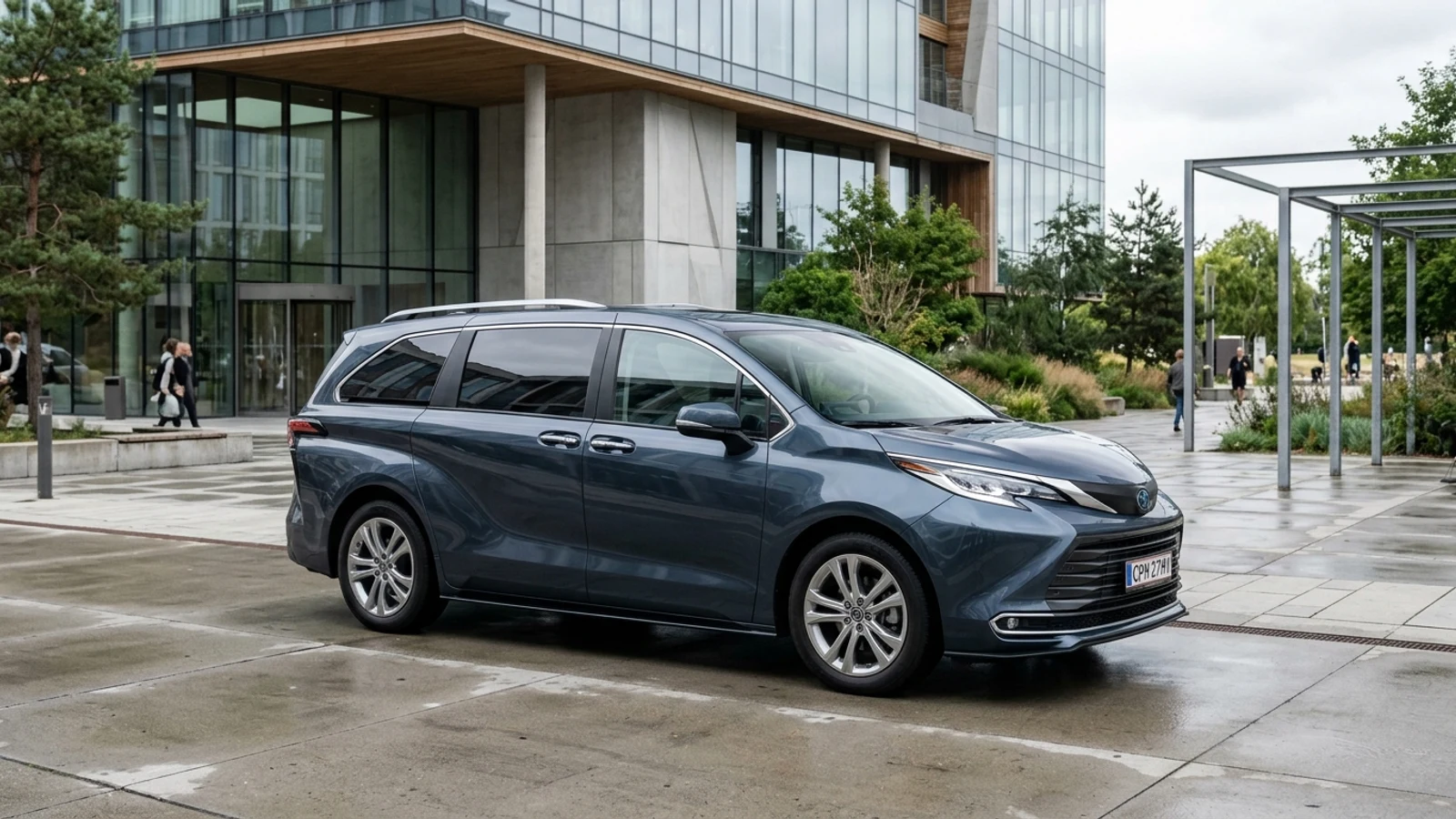
The 2027 Toyota Sienna arrives as a refreshed model focusing on mechanical and technological enhancements rather than external aesthetic changes. While the exterior remains largely identical to its predecessor, Toyota has introduced a new paint color, Storm Cloud, to replace the outgoing Cypress option. The most significant updates reside under the sheet metal, where the minivan adopts the manufacturer's sixth-generation hybrid powertrain system, previously introduced in the Lexus ES lineup. Source
At the core of the performance update is the replacement of the previous nickel-metal hydride battery with a more energy-dense lithium-ion battery pack. This system powers a redesigned electric motor, resulting in a combined output of 251 horsepower. For all-wheel-drive configurations, an additional motor energizes the rear axle, though this implementation does not increase the total system horsepower compared to the front-wheel-drive variant. These changes are intended to provide a more refined driving experience. Source
Toyota reports performance improvements with the new hybrid system. The 2027 Sienna is estimated to reach 60 mph in approximately 7.5 seconds for the front-wheel-drive model, while the all-wheel-drive version is estimated at 7.6 seconds. This represents an improvement of 0.3 to 0.4 seconds over the 2026 iteration. While final EPA fuel-economy figures are pending, preliminary manufacturer estimates suggest improvements of 3 mpg for city driving in front-wheel-drive models and 4 mpg for all-wheel-drive versions. Source
Technological and Interior Enhancements
Beyond the powertrain, the 2027 Sienna features notable upgrades to its electronic systems. Every trim level now includes a 12.3-inch infotainment screen and a corresponding 12.3-inch gauge display, ending the use of the 8.0-inch screens found in the base LE trims of previous years. The cabin electrical system has been updated to include USB-C ports, and the manufacturer has applied additional sound-deadening material behind the dashboard to reduce interior noise and vibration. Source
The driving dynamics have also seen adjustments. The electronic power steering has been tuned to provide a lighter feel at lower speeds, which is intended to simplify around-town maneuvering, while highway stability is improved through better on-center feel. Additionally, the new Vehicle Braking Posture Control system selectively applies braking force to individual wheels during cornering to reduce body roll. These adjustments are designed to create a more controlled and serene driving experience for both the driver and passengers. Source
The internal lineup has been reorganized for the 2027 model year. The Limited trim has been discontinued, and the XSE trim now functions as the penultimate offering below the Platinum. These changes, paired with the technological updates, aim to modernize the interior experience. Rear-seat entertainment systems have also been updated, featuring new touchscreen interfaces and support for native applications, providing a more current digital environment for occupants in the rear rows. Source
The updated steering wheel design incorporates more ergonomic switch placement, making it easier for drivers to manage functions while in motion. By integrating these electrical and mechanical upgrades, the 2027 Sienna seeks to bridge the gap in technology that previously existed when comparing the older model to more contemporary vehicles. These updates, combined with the quieter powertrain, collectively aim to improve the overall comfort and usability of the minivan for its target demographic. Source
Pricing for the 2027 Sienna has seen a slight adjustment reflecting the inclusion of new standard equipment. The base LE trim with front-wheel drive is estimated to start around $44,500. This reflects the manufacturer's strategy to provide higher baseline specifications across all trims rather than relying on lower-cost, lower-content base models. The combination of these updates suggests a focus on value through increased technology and improved powertrain efficiency rather than purely aesthetic modifications. Source
Comparisons between the 2026 and 2027 model years illustrate the progression of Toyota's hybrid minivans. The following table summarizes the key performance and fuel efficiency claims provided by the manufacturer. Source
| Metric | 2026 Sienna (FWD) | 2027 Sienna (Claimed) |
|---|---|---|
| 0-60 MPH (FWD) | ~7.9s | 7.5s |
| Combined MPG (FWD) | 36 | 37 |
| Infotainment Screen | 8.0-12.3 inches | 12.3 inches (all) |
| Battery Tech | Nickel-Metal Hydride | Lithium-Ion |
The adoption of the sixth-generation hybrid system is the primary driver of the improvements observed in the 2027 Sienna. By prioritizing noise reduction and smoother power delivery over cosmetic changes, Toyota has opted for a substantive refresh of its primary family vehicle. As these vehicles reach the market, additional testing will confirm whether the manufacturer's claims regarding cabin quietness and fuel efficiency translate to real-world performance metrics as effectively as the preliminary data suggests. Source
Ultimately, the 2027 Sienna represents a calculated approach to the mid-cycle refresh process. Instead of focusing on exterior styling, the manufacturer has chosen to upgrade the core components that affect daily utility, such as infotainment, charging ports, and powertrain efficiency. These changes aim to extend the lifecycle of the current platform by bringing its internal performance and digital capabilities in line with broader trends in the current automotive industry segment. Source

