
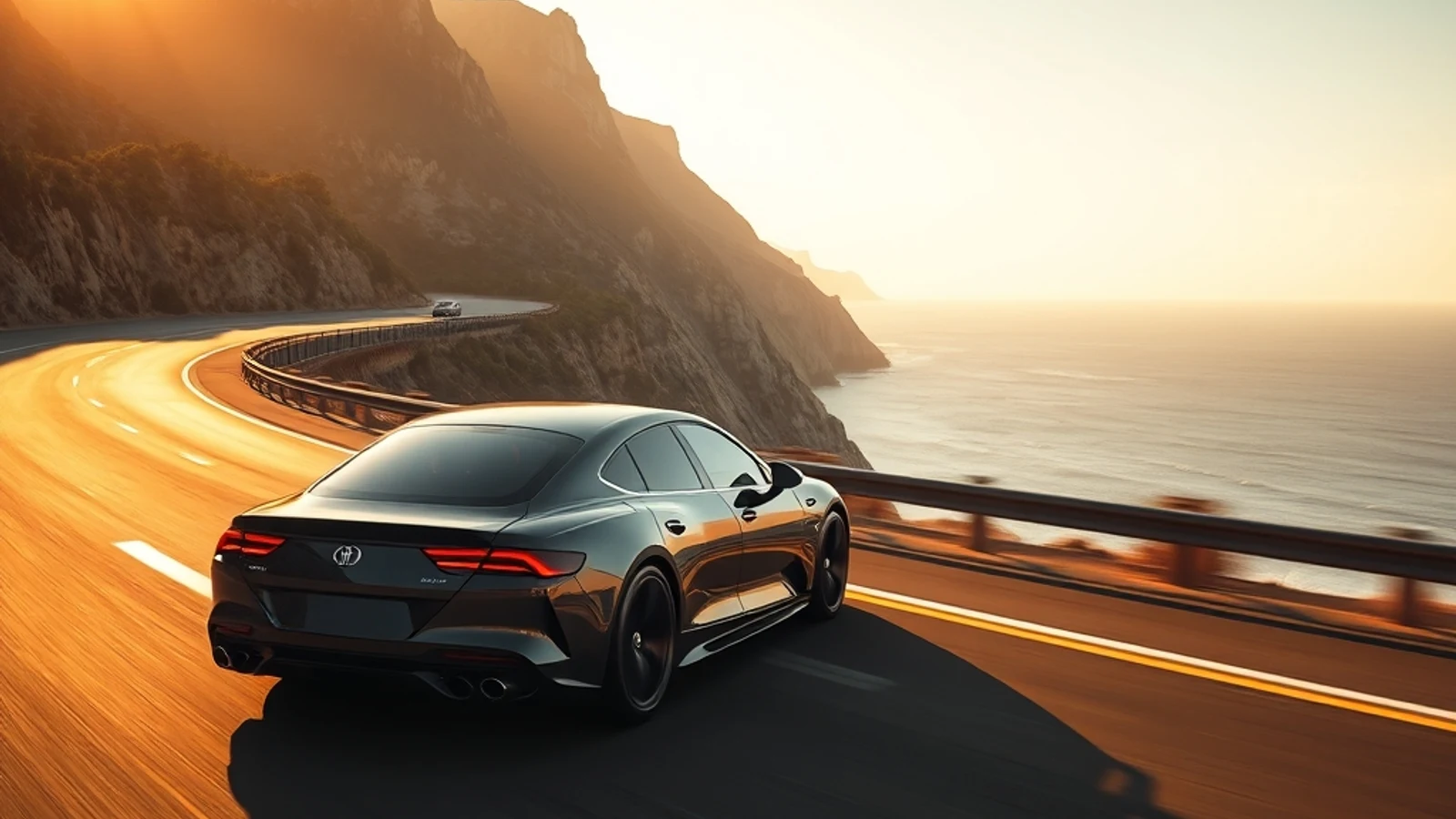
Alpina Brand Integration and Future Lineup
The Alpina brand, now fully integrated under BMW Group ownership, is preparing for a market return with two primary flagship models. The newly developed BMW Alpina 7-series-based B7 and the X7-based XB7 will debut in both internal-combustion and electric configurations. This strategic shift represents the formal absorption of Alpina’s engineering philosophy into the broader BMW ecosystem, focusing on balancing traditional performance-luxury identity with modern electrification and autonomous hardware capabilities for the coming years. Source
The B7 sedan will feature a four-seat configuration, though a rear bench option remains available for buyers. In contrast, the XB7 SUV will come with a standard three-row layout and six-seat capacity. Buyers can expect a range of bespoke customization options, including variable-tint windows, glass roofs, and specific lighting scenarios. Alpina’s signature green and blue hues will continue to be offered alongside advanced finishes like two-tone paint, gradient designs, and combinations of matte and gloss textures. Source
Performance will be managed by a specifically tuned adaptive suspension system, calibrated for comfort and high-speed stability across both models. For the B7 sedan, engineers have reprogrammed the engine control unit to allow for a top speed exceeding 186 mph. These performance enhancements are designed to maintain the brand’s hallmark precision while incorporating the latest structural advancements found in current BMW 7 Series platforms, ensuring the vehicle operates effectively at the intersection of executive luxury and high-performance engineering. Source
The projected model range for the new Alpina line includes the B7 40, B7 60, and iB7 70. The internal-combustion variants will utilize a turbocharged 3.0-liter straight-six engine producing approximately 400 horsepower, as well as a twin-turbo 4.4-liter V-8 engine rated up to 600 horsepower. These powerplants will also be available for the XB7, which will additionally feature a high-capacity battery for the fully electric iXB7 Alpina 100 model, designed to provide increased torque and performance capabilities. Source
Validation and Engineering Specifications
High-speed validation testing for the new Alpina 7 Series is currently underway in Italy. This phase involves a deep-dive evaluation of chassis dynamics, powertrain calibration, and thermal management. Engineers are recalibrating torque distribution and steering feedback to ensure that the increased vehicle weight from battery packs and sensor arrays does not compromise the driving experience. The integration of BMW Group’s proprietary software allows for precise control over gear-shift mapping and active damping during these rigorous track evaluations. Source
Testing data suggests that the new 7 Series iteration achieves improved cornering stability compared to its predecessor. This is attributed to the increased structural rigidity of the current chassis combined with bespoke wheel and tire specifications. The development team is prioritizing a refined experience that serves as a performance alternative to the M-badged vehicle lineup. These evaluations are intended to establish a new benchmark for factory-backed luxury performance vehicles as the brand transitions toward fully electrified powertrains. Source
Production plans are currently scaling toward a launch next year, with the expectation that all markets will have access to the full version lineup by 2028. Total production volume is estimated to remain in the low five-figure range. The company is also investigating a life-cycle extension for the current 7-series chassis, which may now remain in production through 2032 due to shifting financial constraints and market demand, potentially delaying the adoption of the newer CLAR Flex platform for flagship products. Source
Looking further into the future, there is internal discussion regarding an Alpina-branded halo car based on the two-door Vision BMW Alpina concept. If produced, this vehicle would be manufactured in the coachbuilding wing of the Dingolfing plant, with total production projected between 75 and 200 units. Additionally, the brand is considering a reincarnation of the B5 midliner based on the CLAR Flex architecture, which would likely not debut until 2031 at the earliest, given the development requirements. Source
Market positioning for the new Alpina models is intended to fill the gap between high-end BMW offerings and the Rolls-Royce brand. The development of these vehicles represents a shift in how the BMW Group manages its bespoke performance subsidiaries. While a V-12 powertrain has been discussed as a potential differentiator for the CLAR Flex platform, no definitive timeline for market entry exists, and the company remains focused on the immediate rollout of the B7 and XB7 models across international markets. Source
The broader 2026 product strategy for BMW includes the introduction of the Neue Klasse electric lineup, starting with the i3 sedan, which promises up to 440 miles of range and 400-kW charging capabilities. While Alpina models have their own specific development paths, they operate within this broader manufacturing ecosystem. The company is streamlining its portfolio, with older nameplates like the Z4 and 8 Series reaching the end of their production cycles as focus shifts toward the new performance-luxury entries. Source
Technical specifications for the initial Alpina launch are summarized in the following table based on preliminary engine and model category reports. These figures represent manufacturer-intended configurations subject to final validation phase results currently being conducted in Italy. Source
| Model | Engine/Powertrain | Target Segment |
|---|---|---|
| B7 40 | 3.0L Turbo Inline-Six | Sedan |
| B7 60 | 4.4L Twin-Turbo V-8 | Sedan |
| iB7 70 | Electric | Sedan |
| iXB7 100 | Electric | SUV |

