
Prototype Overview and Engineering Origins
The BMW Classic division has officially unveiled a previously secret 1997 M7 prototype, providing a rare glimpse into a vehicle that never reached production status. Although BMW explored the concept of an M-badged 7-series sedan, the project ultimately remained a one-off experimental vehicle. This internal development effort highlights how the automaker experimented with combining its luxury flagship chassis with the high-performance engineering typical of its dedicated M division at that time. Source
Under the hood, the prototype features a 4.9-liter V-8 engine, the same powerplant that would eventually define the E39 M5. This engine is rated at 400 horsepower, consistent with the output later delivered in the M5 model. The vehicle utilizes a six-speed manual transmission, a choice that contrasts with the typical automatic configurations found in 7-series luxury sedans. BMW engineers built this specific iteration on a short-wheelbase E38 7-series chassis to facilitate its performance testing. Source
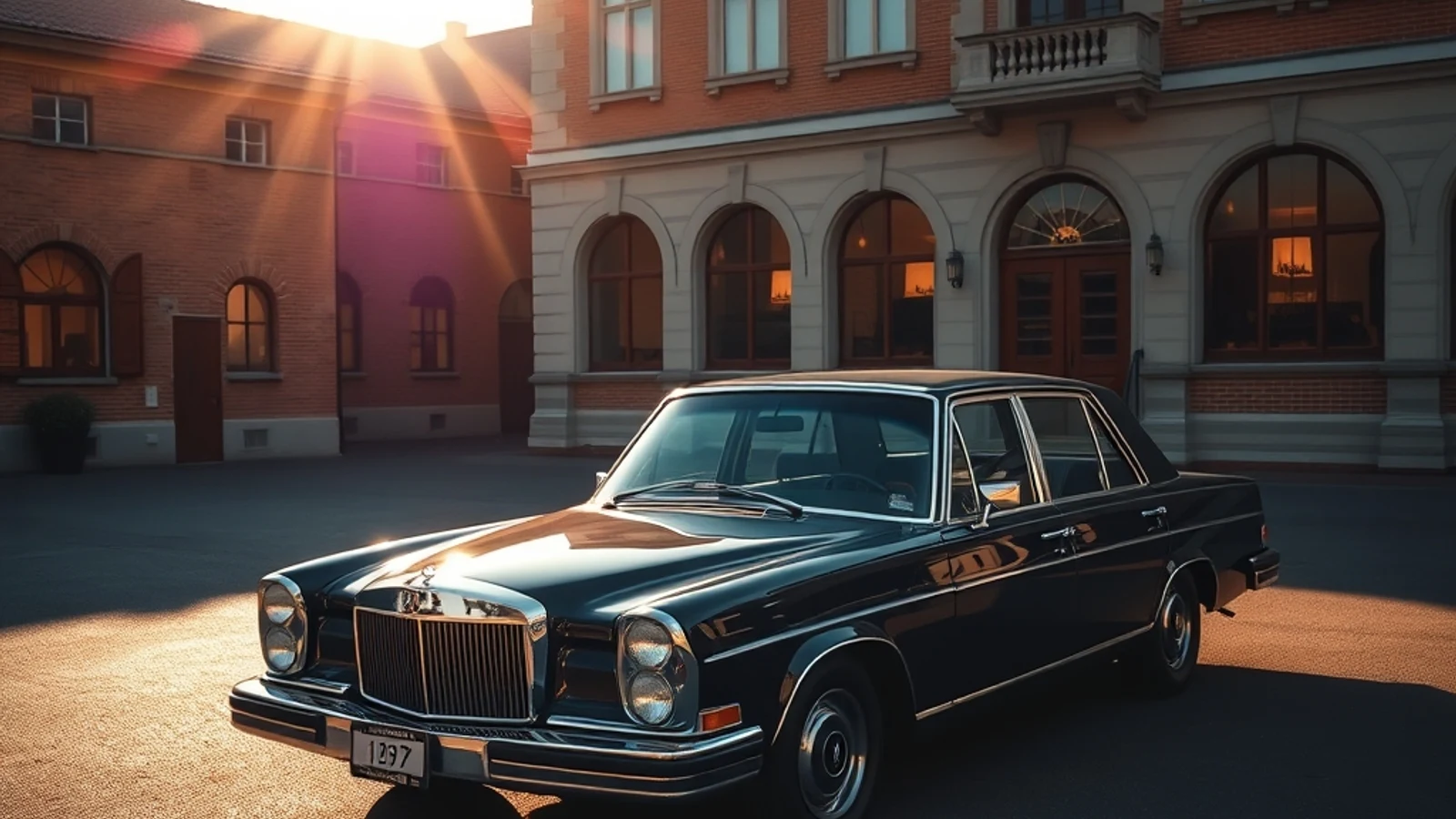
Visually, the prototype remains strikingly understated, lacking the prominent M badges and aggressive carbon-fiber accents found on modern high-performance BMW vehicles. The most identifiable feature distinguishing this car from standard 7-series models of the era is a quad-exhaust system located at the rear. This subtle design choice allowed the prototype to maintain an unassuming presence while concealing the significant mechanical power upgrades packed underneath the exterior bodywork during testing sessions. Source
Historical Context and Performance Specifications
Engineers conducted road testing of the vehicle on unrestricted segments of the German autobahn. Despite the engineering focus placed on this project, the company did not pursue a production M7 variant. Instead, the marketing of the 7-series flagship in 1997 relied on the V-12-powered 750iL model, which notably gained prominence through its inclusion in the film Tomorrow Never Dies. This focus on the V-12 luxury flagship likely sidelined any potential efforts for a sport-focused M7 model. Source
The existence of this prototype mirrors other historical internal projects, such as the E31-chassis V-12-powered M8, which also failed to reach assembly lines. By keeping these mechanical treasures within company archives, BMW has preserved a piece of its experimental engineering history. While the M7 remained unproduced, its status as a secret one-off provides an interesting contrast to the high-performance sedans that eventually entered the consumer market throughout the subsequent decades of production. Source
The following table outlines the key technical specifications attributed to the 1997 BMW M7 prototype by the manufacturer's retrospective disclosure, as reported by Car and Driver. These figures reflect the specific experimental configuration of the one-off model that remained confined to internal evaluation and did not reach customers. Source
| Feature | Specification |
|---|---|
| Engine Type | 4.9-Liter V-8 |
| Power Output | 400 horsepower |
| Transmission | Six-Speed Manual |
| Chassis Type | Short-Wheelbase E38 |
| Top Speed | 155 mph (stated) |
The prototype represents a significant 'what-might-have-been' story for the BMW brand. The combination of a large luxury limousine body with an M-division engine creates a unique performance dynamic that was not realized at the time. With no plans for commercial release in 1997, the project served as an internal testbed for performance components rather than a precursor to a production variant. The vehicle remains a testament to the engineering interests of the development team at that time. Source
While BMW eventually developed various M-performance vehicles, the 7-series remained distinct from the M product lineup during the late 1990s. The revealed M7 prototype serves as a reminder of the company's internal capabilities and experimentation. Analysts and enthusiasts alike may find the revelation of this car interesting for its departure from the standard V-12 luxury positioning that defined the E38 generation in public media and consumer markets during the year 1997 and beyond. Source
The preservation of the M7 prototype within the BMW Classic collection confirms that the vehicle is still extant. Unlike many prototypes that are dismantled following the completion of testing, this unit has been held in archives, allowing for its eventual public reveal. The absence of traditional branding or marketing materials from 1997 underscores the experimental nature of the car, which was never intended for dealer lots or customer delivery in any global market throughout that production year. Source
The mechanical performance, including the stated top speed of 155 mph, aligns with the performance targets of high-output BMW engines developed during the late 1990s. While not officially tested by independent media outlets upon its creation, the specs highlight the ambitious nature of the prototype. The quad exhaust system, while subtle, remains the primary external indicator of the internal modifications performed by the division tasked with the secret development of the vehicle at the BMW facilities. Source
As of the disclosure by BMW Classic, the prototype serves as a historical case study in vehicle development. It highlights the constraints and priorities of the brand in the late 1990s, where luxury performance was primarily focused on V-12 powerplants for the 7-series. By finally pulling the wraps off this project, BMW provides enthusiasts with a definitive view into the technical design decisions that characterized its experimental programs during that specific period in the company’s history. Source

