
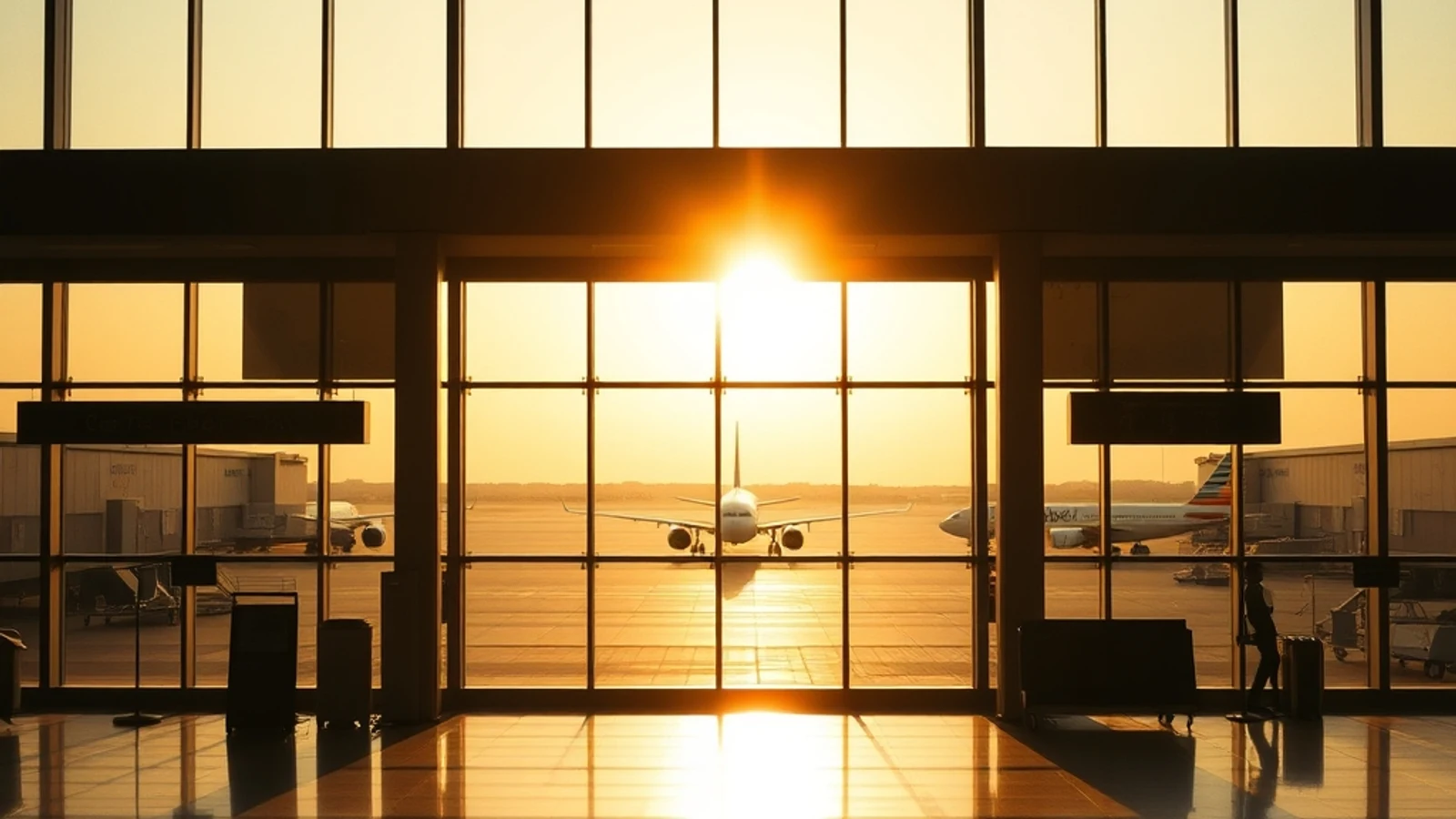
Delta Air Lines flights destined for Hartsfield-Jackson Atlanta International Airport (ATL) faced significant operational disruptions on the morning of November 22, 2026. The incident stemmed from a failure within the carrier's Automated Load Instruction System (ALIS), a critical piece of technology used to calculate aircraft weight and center of gravity. As a direct result, the Federal Aviation Administration (FAA) issued a ground stop for all incoming Delta traffic heading to the Atlanta hub, effectively holding aircraft at their respective departure locations. Source
Operational Impact and System Restoration
The ground stop, initiated early Sunday, was subsequently downgraded to a ground delay program at approximately 8:40 AM ET. This adjustment permitted flights to depart under restrictive conditions, though the transition did not immediately resolve the backlog. Delta confirmed that its operational teams implemented manual workarounds to compute the necessary loading data. These procedures, while essential for safety, introduced additional processing time for each flight, contributing to the broader congestion observed across the carrier's network during the busy pre-Thanksgiving travel period. Source
According to data from FlightAware, the incident resulted in 364 total flight delays affecting the Atlanta airport hub. This figure comprised roughly 200 inbound flights and 164 departing flights. The FAA reported that inbound delays averaged 57 minutes on Sunday morning. Passengers across various airports, including those in Newark, New York LaGuardia, Reagan National, Washington Dulles, Boston, Baltimore, Miami, and Minneapolis, reported substantial wait times as the airline struggled to maintain its flight schedules. Source
Weight-and-balance calculations are essential for safe takeoff performance, determining the engine thrust and speeds required based on the distribution of passengers, cargo, fuel, and luggage. Without the automated ALIS, ground crews must perform these calculations manually for every aircraft. In a major hub like Atlanta, these slower departure processes lead to aircraft occupying gates for longer durations, which in turn prevents arriving flights from docking. The FAA-ordered ground delay served to prevent tarmac congestion, though it caused ripple-effect delays across the system. Source
The timing of this disruption proved particularly challenging, as it coincided with the commencement of the Thanksgiving holiday travel rush. US airlines are projected to transport nearly 29 million passengers between November 20 and November 30, with carriers increasing their capacity to accommodate approximately 38,000 additional daily seats compared to the previous year. For Delta, the incident represents the second major system-related disruption in less than ten days, following a nationwide FAA ground stop on November 13 caused by a separate telecommunications failure. Source
While Delta has requested patience from its customer base, passengers reported varied experiences regarding the impact. Some travelers noted that arriving at terminals well in advance of their scheduled departures allowed them to avoid the peak of the system issues. However, others experienced prolonged waits on board aircraft after pushback, with reports of baggage loading being halted as a result of the IT system's unavailability. By Sunday morning, the airport environment showed persistent delays, as observed by passengers navigating the hub. Source
Atlanta Airport Flight Disruption Metrics
The following table summarizes the key metrics reported regarding the Atlanta flight disruptions on November 22, 2026, based on available tracking data. Source
| Metric | Value | Reported Status |
|---|---|---|
| Total Delays at ATL | 364 | FlightAware Data |
| Inbound Delays | ~200 | FlightAware Data |
| Outbound Delays | 164 | FlightAware Data |
| Average Delay Duration | 57 minutes | FAA Reporting |
| Ground Delay Expiration | 1:00 PM ET | FAA/Delta Update |
Industry experts note that airlines have become increasingly dependent on automated software for core operational tasks. Last week, United Airlines reported a similar failure in its weight-and-balance systems, which resulted in a 90-minute network-wide hold on departures. These events highlight the vulnerability of hub-and-spoke models to singular technical points of failure. As automated systems become the standard for takeoff calculations, manual contingencies remain slower, ensuring that any system downtime creates immediate bottlenecks that require coordination between the airline and Air Traffic Control. Source
Delta has not provided details regarding the root cause of the November 22 system outage at the time of reporting. The airline's public communications have emphasized that its primary objective is to maintain safety while transitioning to manual processes. There is currently no definitive information on the total number of flight cancellations that may have resulted from this specific event, though the scale of the delay suggests significant network strain. The carrier continues to collaborate with FAA officials to clear the backlog and optimize operations. Source
Looking ahead, analysts have raised concerns regarding broader logistical risks during the holiday season. The potential for staff shortages in air traffic control and security, linked to possible federal funding expirations in December, adds a layer of uncertainty to travel forecasts. Furthermore, meteorologists have warned of potential storms affecting both coasts, which could further complicate operations if Delta or other carriers continue to experience system instabilities. Travelers are advised to monitor official airline channels for the latest status updates. Source
The FAA and Delta have both noted that the operational environment remains dynamic. While the immediate ground stop was curtailed, the cumulative effect of delayed aircraft turning for subsequent legs means that impacts are likely to be felt throughout the day. Delta’s communication teams remain focused on returning to automated status, but until such time, passengers should expect variations in departure times and potential gate changes as the airport manages the congestion resulting from the earlier suspension of inbound arrivals. Source

