
Emergency Flight Return and Operational Response
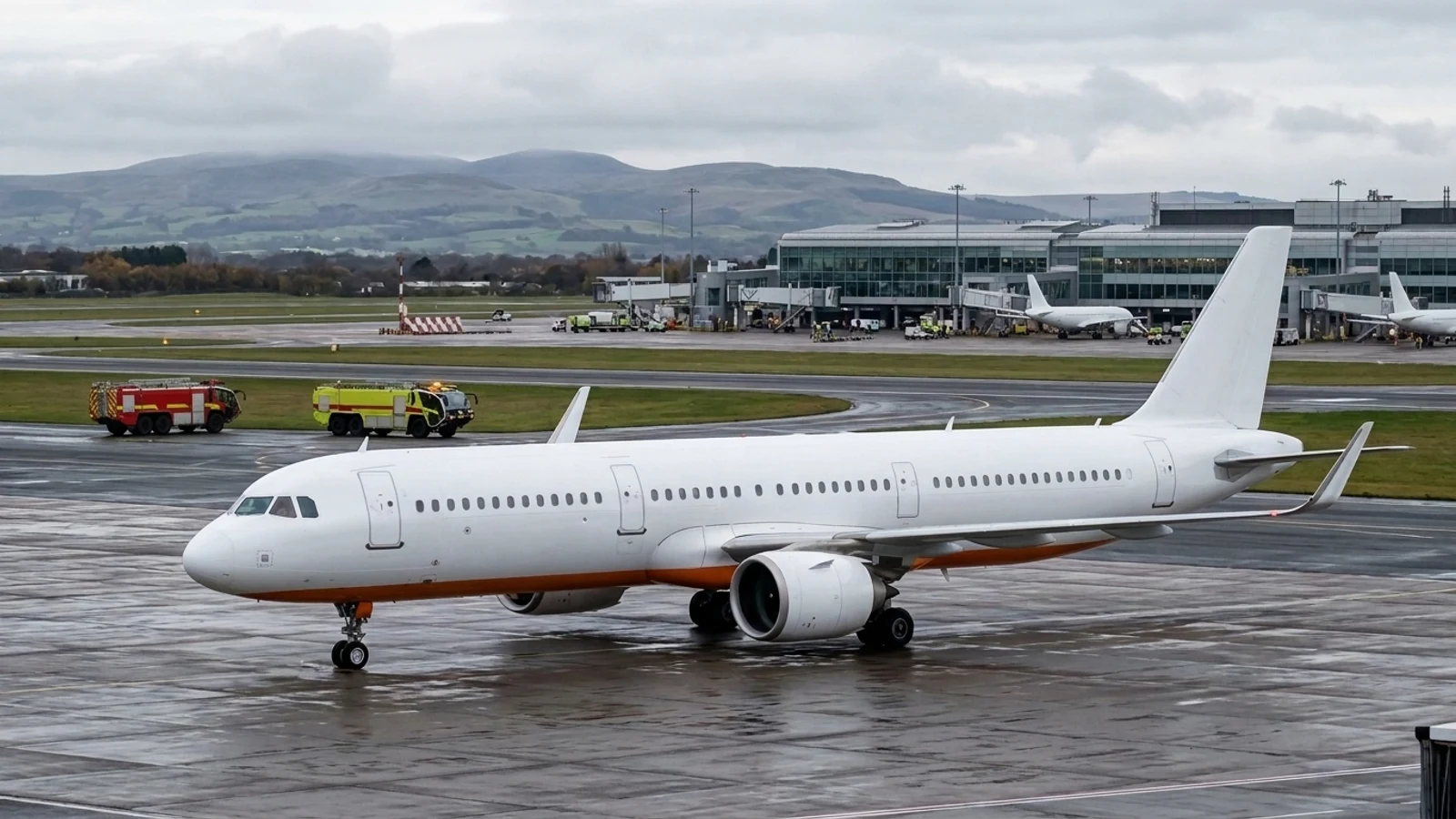
On the evening of November 26, 2026, an easyJet Airbus A321neo performing flight EZY816 from Edinburgh to London Gatwick declared a general emergency shortly after departure. The aircraft, registered G-UZMC, initiated its return to the departure airport approximately 53 minutes after takeoff. This incident triggered a significant operational response, including the mobilization of emergency services at Edinburgh Airport to stand by as a safety precaution while the crew maneuvered the aircraft back for landing. Source
The flight departed Edinburgh at approximately 20:36 UTC. Shortly after reaching an altitude of roughly 5,000 feet, the flight crew encountered multiple engine-related warnings. Data from the Aircraft Communications Addressing and Reporting System indicated an engine stall and elevated exhaust gas temperatures concerning the left, or No. 1, engine. The pilots acted in accordance with standard safety procedures, opting to shut down the affected engine and transmitting the international emergency transponder code 7700 to notify air traffic control. Source
Residents living near the aircraft's departure path in Livingston, located approximately 27 kilometers west of Edinburgh, reported hearing a loud bang as the jet passed overhead. This sound was captured on residential doorbell camera footage, which circulated on social media channels. While the reports of a loud noise coincided with the emergency transmission, the specific mechanical relationship between the noise and the detected engine technical warnings remains an area of technical assessment. Source
The aircraft successfully returned to Edinburgh, landing safely on Runway 06. Upon arrival, airport fire and rescue teams were present to meet the flight, which represents a standard precautionary procedure for emergencies involving potential engine issues. Following the safe landing, the aircraft underwent technical evaluation. The airline stated that the landing was normal and that no injuries were reported among passengers or the flight crew during the event. Source
EasyJet confirmed that the flight was required to return to its point of origin due to a technical issue. To mitigate the impact on passengers traveling between Scotland and London, the airline arranged a replacement aircraft to complete the journey. The substitution process involved coordination of crew, ground handling, and maintenance clearance, which inherently extended the journey duration for passengers originally booked on the flight to Gatwick. Source
Aviation experts note that symptoms such as stalls or high temperatures are common indicators of a compressor stall or surge, which occurs when airflow within the engine is disrupted. This can result from factors like component deterioration or foreign object ingestion. Importantly, modern commercial twin-engine aircraft, such as the Airbus A321neo, are certified for safe flight and landing maneuvers with only one operational engine, and pilots receive rigorous training to handle such scenarios. Source
Flight Incident Data Summary
The following table outlines key performance and operational parameters associated with the flight based on reported data from the November 26 incident. These figures reflect the recorded timing and altitude constraints during the emergency maneuver. Source
| Metric | Data Point |
|---|---|
| Aircraft Model | Airbus A321neo |
| Emergency Code | 7700 (Squawk) |
| Max Altitude during Incident | 5,000 Feet |
| Return Time Post-Departure | 53 Minutes |
| Incident Date | 26 November 2026 |
This event follows a separate emergency return by an easyJet aircraft on November 18, 2026. In that instance, flight EZY897J from Bristol to Edinburgh returned to Bristol Airport after declaring a 7700 emergency. EasyJet attributed the earlier emergency to a bird strike. There is no evidence suggesting a connection between the November 18 incident and the engine warnings reported on the November 26 Edinburgh flight; the two events involved different aircraft models and distinct reported causes. Source
Passengers impacted by such technical diversions should be aware of their rights under applicable regulations, such as UK261. While the airline has an obligation to provide assistance and alternative transport, eligibility for financial compensation is not automatic following a technical problem or emergency landing. Entitlement depends on the specific cause of the technical failure, which must be assessed against regulatory standards for extraordinary circumstances. Source
Travelers affected by the delay are advised to retain all boarding passes, booking references, and any written communications from easyJet. For detailed information regarding potential compensation or rights to care, passengers should consult the official guidance provided by the UK Civil Aviation Authority. This agency oversees the application of passenger rights and provides clear procedures for travelers seeking resolution for significant delays occurring within the scope of UK aviation regulations. Source
At this stage, investigations into the specific component failures on the Airbus A321neo continue. As the aircraft undergoes maintenance assessments, easyJet maintains that its fleet is operated in accordance with manufacturer guidelines. The prompt response by ground services at Edinburgh Airport ensured that the situation remained contained and allowed for a normal, safe landing, minimizing further risks to those onboard and at the airport facility. Source

