
Maverick Market Performance and Powertrain Shifts
The Ford Maverick continues to gain significant market traction in the United States, with the hybrid model serving as a major growth driver for the automaker. During the third quarter of 2026, Ford delivered 27,793 Maverick Hybrid units, which corresponds to a 59.6% increase compared to the previous year and established a new quarterly record for the nameplate. This hybrid demand has become a defining characteristic of the model, as approximately 60% of all Maverick sales through September 2026 were for the electrified powertrain. Source
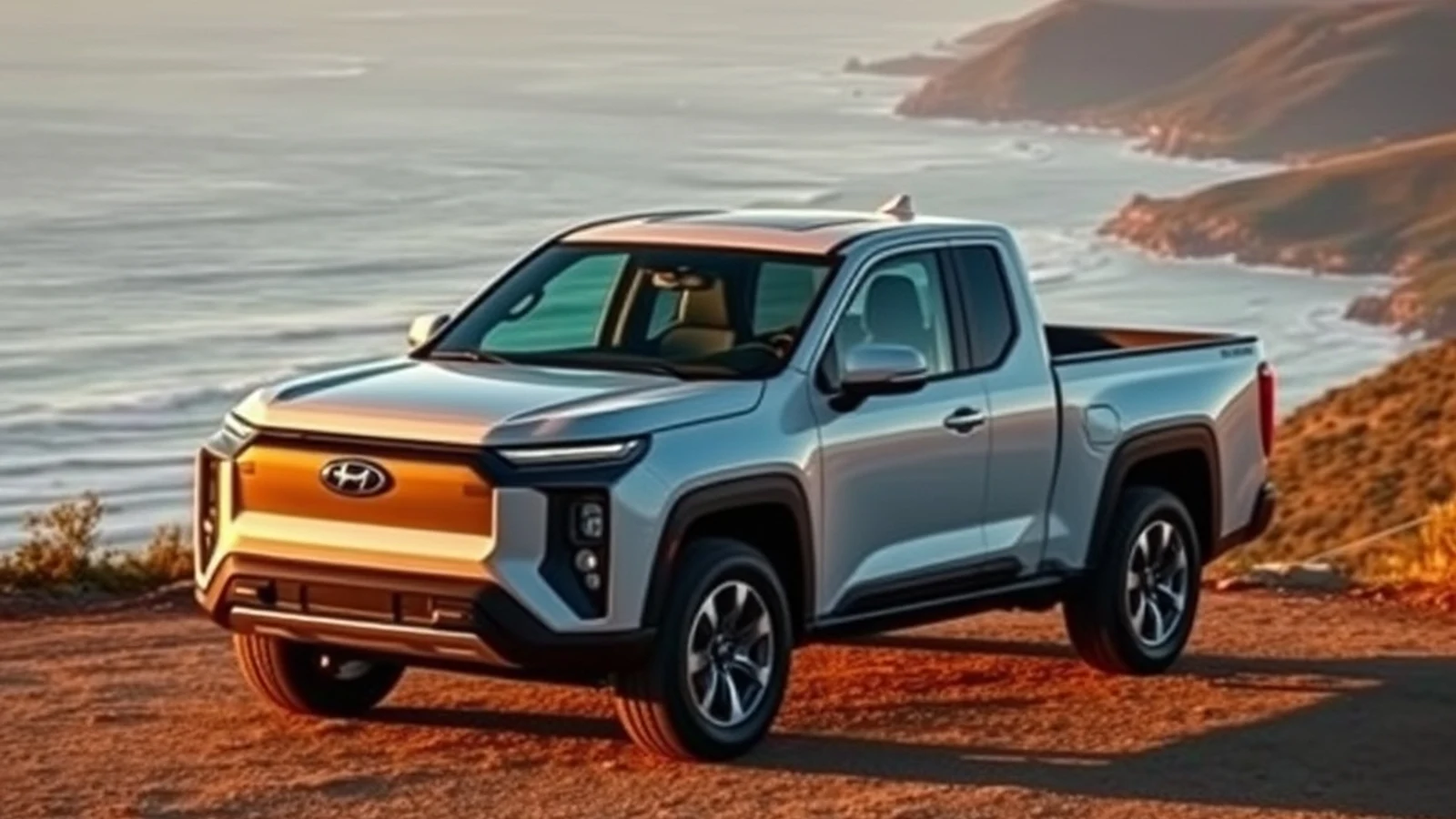
Market analysis from CarBuzz indicates that the Maverick is outperforming the Hyundai Santa Cruz, which remains its primary competitor in the compact truck space. In the same third-quarter period, Hyundai reported 4,830 sales of the Santa Cruz, marking a 25% decline. Total deliveries for the Santa Cruz over the first nine months of 2026 reached only 14,811 units. This discrepancy highlights the Maverick's strength, as Ford managed to sell nearly twice as many hybrid units in a single quarter as Hyundai sold of its entire Santa Cruz line in nine months. Source
Ford has moved to standardize electrification for its entry-level Maverick trim. Under the updated 2027 ordering structure, the Maverick XL is exclusively available with the hybrid powertrain, effectively removing the 2.0-liter EcoBoost engine from the base configuration. The turbocharged engine is now reserved for the XLT AWD trim and specialized models like the Tremor and Lobo. Ford intends for the hybrid system to serve as the foundational offering for its most accessible pickup truck, responding to the 2026 trend of volatile gas prices. Source
The fuel efficiency gap between the two manufacturers is substantial. The 2027 Maverick Hybrid boasts an EPA-estimated 42 mpg in city driving, whereas the 2027 Hyundai Santa Cruz SE is rated at 22 mpg city. This disparity suggests the Maverick consumes approximately 34% less fuel for identical travel distances. For urban commuters, the manufacturer's data supports the view that the hybrid Maverick offers practical cost-saving value that outweighs differences in towing capacity or peak horsepower metrics. Source
Performance Upgrades and Reliability Reports
In addition to fuel-saving models, Ford has introduced a new performance option for current and prospective owners of the 2025 and 2026 Maverick. The Ford Custom Garage SV300T package aims to boost performance for trucks equipped with the 2.0-liter EcoBoost engine and all-wheel drive. Available from mid-November 2026, this performance kit increases the output from the stock 250 horsepower and 280 pound-feet of torque to 300 horsepower and 350 pound-feet of torque when using premium fuel. Source
The SV300T package includes a Mustang-sourced turbocharger and an upgraded intercooler. For XLT and Lariat models, the kit also adds lowering springs, Lobo-spec shocks, and stabilizer bar enhancements designed to sharpen handling. Because the Lobo model already incorporates this chassis setup, the cost of the parts kit is lower for Lobo owners at $4,500, compared to $6,075 for XLT and Lariat configurations. Installation through an authorized Ford dealer or an ASE-certified technician preserves the factory 3-year, 36,000-mile warranty. Source
While sales momentum remains high, some individual owners have reported significant technical difficulties. A Torque News report details the experience of one owner who purchased a new Maverick Hybrid on August 29, 2026, only to receive a Powertrain Malfunction and Reduced Power alert on the same day. Subsequent diagnostic efforts involved replacing a Body Control Module and a parking pawl within the transmission. Despite these interventions, the warning light persisted after short test drives, leading to further investigations. Source
The owner of the malfunctioning Maverick documented a pattern where fault warnings occurred consistently after roughly 30 minutes of idling or 20 to 30 miles of operation. Technicians eventually involved Ford Engineering, which suggested removing the engine to perform tests on the transmission wiring harness. This owner's log illustrates the complexity of troubleshooting electronic and high-voltage control systems in the hybrid Maverick, particularly when issues appear heat-dependent and do not immediately clear during standard cold-engine service bay inspections. Source
The Following table compares key specifications and performance metrics for the 2027 Maverick Hybrid and 2027 Santa Cruz SE to provide a clearer overview of their differences in the competitive compact truck market. Source
| Feature | 2027 Ford Maverick XL Hybrid | 2027 Hyundai Santa Cruz SE |
|---|---|---|
| Base Price | $28,145 | $30,300 |
| Engine | 2.5L I4 Hybrid | 2.5L I4 ICE |
| Horsepower | 162 HP | 191 HP |
| City Fuel Economy | 42 MPG | 22 MPG |
| Drivetrain | FWD | FWD |
| Towing (Standard) | 2,000 lbs | 3,500 lbs |
For owners concerned about early-stage reliability, experts recommend maintaining a meticulous, dated paper trail of all repair attempts and service orders from the date of purchase. This documentation is essential for potential lemon law claims should the vehicle exceed state-mandated out-of-service limits. Additionally, verifying that dealerships perform actual road testing after major powertrain repairs can help identify persistent electrical or heat-related faults before a vehicle is formally returned to the owner's possession. Source
As Ford looks beyond the current Maverick lineup, it has confirmed plans for a midsize electric truck tentatively titled the Fathom, scheduled for a late 2027 launch. With a target starting MSRP of $28,350, the Fathom is expected to provide five-passenger seating and a conventional bed, though Ford emphasizes it is not a direct replacement for the Maverick. The manufacturer remains focused on balancing the Maverick's urban-friendly design with the growing consumer preference for hybrid efficiency in compact pickup segments. Source

