
Market Trends and Leasing Incentives
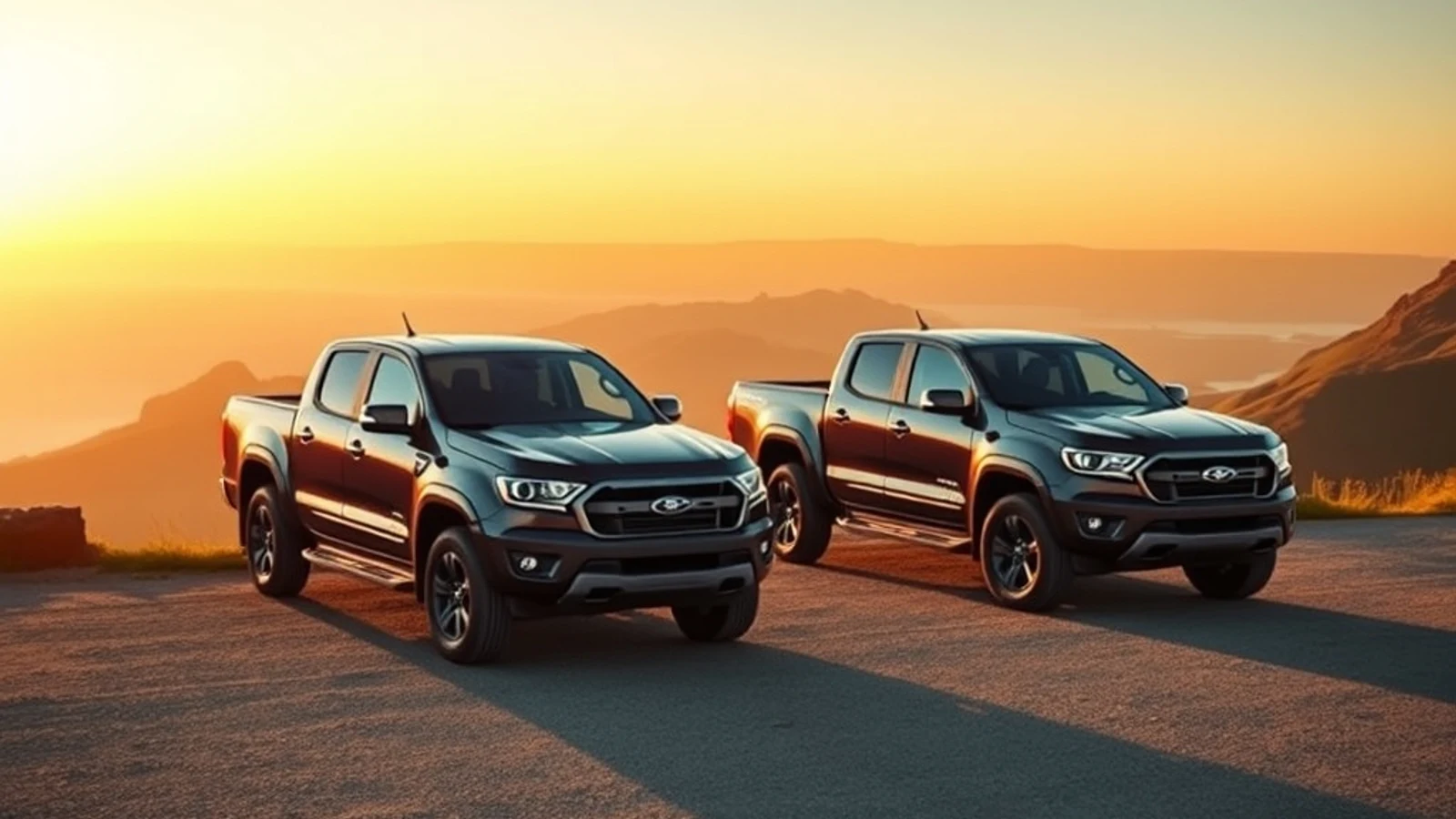
The compact pickup segment in the United States remains highly competitive throughout November 2026, with the Ford Maverick and Hyundai Santa Cruz serving as the two primary contenders. Data from CarBuzz indicates that the Hyundai Santa Cruz currently features lease offers as low as $319 per month in specific regions, including parts of the East Coast, though rates can reach up to $349 per month in other areas. These incentives are subject to the discretion of participating retailers and vary by location. Source
Simultaneously, Ford has positioned the Maverick as a strong competitor in the fourth quarter of 2026, backed by a national lease offer of $399 per month for the hybrid model. This deal is characterized by lower up-front costs compared to previous industry standards. Customers participating in the Black Friday Open Bonus Cash program can secure a $500 reduction in upfront expenses at participating dealerships, resulting in total out-of-pocket costs at signing well below $900. Source
Financial considerations for potential buyers extend beyond monthly lease rates. While the Santa Cruz may present a lower monthly payment in some markets, CarBuzz analysis notes that the Maverick often offers greater long-term value for many drivers due to reduced refueling costs and different up-front financial requirements. Refueling the Maverick is estimated to cost around $1,600 per year, compared to approximately $2,400 for the Santa Cruz, based on 15,000 annual miles driven. Source
Sales performance for the two models shows a significant disparity as of the third quarter of 2026. Ford reported selling 27,793 Maverick Hybrids during the third quarter, which marked a 59.6% year-over-year increase. In contrast, Hyundai recorded 4,830 sales of the Santa Cruz during the same period, representing a 25% decline for the manufacturer. Cumulative sales for the Santa Cruz reached 14,811 units in the first nine months of the year. Source
Engine and performance specifications create distinct choices for consumers. The 2026 Hyundai Santa Cruz base model utilizes a 2.5-liter naturally aspirated inline-four engine paired with an eight-speed automatic transmission, producing 281 hp and 311 lb-ft of torque in turbo variants. Conversely, the 2027 Ford Maverick XL trim now exclusively utilizes a hybrid powertrain, with the 2.0-liter EcoBoost engine reserved for higher trims like the XLT and Lobo, or specific models like the Tremor. Source
Technical Specs and Utility Comparisons
Cargo utility remains a defining factor for the segment. According to SlashGear, the Hyundai Santa Cruz features the shortest production truck bed available in North America at 4 feet long, which is 6 inches shorter than the Ford Maverick's 4.5-foot bed. The Santa Cruz design is heavily influenced by the Hyundai Tucson, leading to a cabin-heavy proportion that utilizes about 23 percent of its 16-foot 3.7-inch total length for the cargo area. Source
Towing capacity is another area where the trucks differ. The base Hyundai Santa Cruz is rated to tow 3,500 pounds, with the capacity increasing to 5,000 pounds when equipped with the turbocharged engine and proper equipment. The Ford Maverick Hybrid offers a standard towing capacity of 2,000 pounds, which can be increased to 4,000 pounds when equipped with all-wheel drive and the 4K Tow Package. Source
Reliability data from Consumer Reports provides additional context for used vehicle buyers. The organization gives the Ford Maverick an above-average reliability score, noting that it generally outperforms other Ford vehicles in this segment. However, some owners of early 2022-2024 hybrid models reported issues regarding hybrid battery cells, charging systems, and oil leaks, which did not appear as frequently in reports from owners of the non-hybrid gasoline-powered Maverick. Source
Fuel efficiency remains a key market differentiator. The 2027 Ford Maverick Hybrid features an EPA-estimated 42 mpg in city driving conditions. In comparison, the 2027 Hyundai Santa Cruz SE is rated at 22 mpg for city driving. This efficiency gap means that the Maverick uses approximately 34% less fuel to cover an equivalent distance, providing a clear advantage for consumers with heavy urban usage patterns. Source
Pricing for the 2027 model year shows that a Ford Maverick XL Hybrid starts at $28,145 before delivery fees, while the 2027 Hyundai Santa Cruz SE starts at $30,300. This results in a base price difference of $2,155 in favor of the Ford model. Ford continues to prioritize electrification as the starting point for its entry-level pickups, reflecting shifting market demands in 2026. Source
Beyond current models, Ford is planning to expand its truck lineup in the future. The company announced plans to launch the Fathom, a midsize electric pickup, in the fourth quarter of 2027 with a targeted starting price of $28,350 before destination charges. Pre-orders for this model are slated to begin earlier in 2027. The manufacturer emphasizes that the Fathom is not intended to be a direct replacement for the Maverick. Source
In summary, both vehicles offer distinct benefits depending on user priorities. The Hyundai Santa Cruz appeals to buyers seeking car-like maneuverability and specific towing performance, while the Ford Maverick captures a larger market share through hybrid efficiency, lower entry costs, and aggressive lease and finance incentives. Consumers are encouraged to verify current local dealer inventory and incentives through official manufacturer portals before finalizing purchase or lease decisions. Source

