
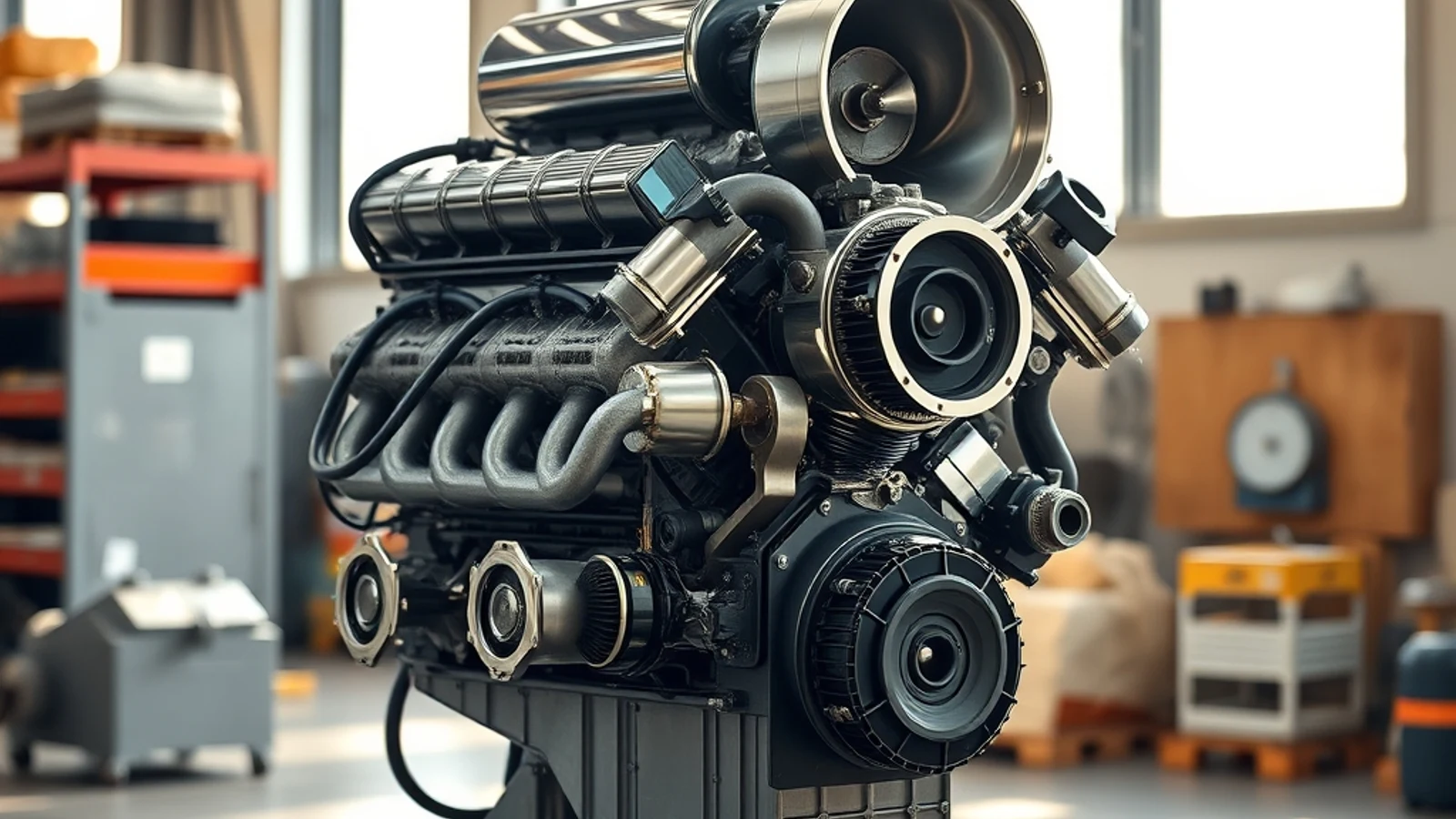
At SEMA 2026, Ford introduced the Megazilla 2.0, a purpose-built supercharged V8 crate engine designed to provide high-output performance for custom automotive projects. While displayed within a modified Ford Bronco named the Frostwarden, the engine itself is intended for independent builders to incorporate into their own vehicle builds. CarBuzz reports that the development of this engine represents a significant commitment by Ford to support the aftermarket performance community, offering a factory-developed alternative to traditional supercharger conversions. Source
Unlike standard factory engines, the Megazilla 2.0 has been extensively redesigned to handle the substantial mechanical and thermal stresses associated with high-level forced induction. Ford modified the architecture of the base 7.3-liter Godzilla engine, specifically focusing on the engine block. A critical change involved the removal of saw-cut cooling passages located between the cylinders. By eliminating these passages, the manufacturer improved cylinder sealing to better manage the extreme combustion pressures required for four-digit horsepower figures. Source
The engine is further reinforced with forged internal components to ensure durability under boost. According to details provided by CarBuzz, the forced-induction system utilizes a Gen 6 3.0-liter Whipple supercharger paired with a dedicated 10-rib drive system. This setup is specifically engineered to move large volumes of air, which is necessary to support the combustion process and reach the engine's performance targets. These engineering choices highlight a shift from modifying existing stock blocks toward a dedicated performance crate-engine package. Source
Regarding performance metrics, Ford claims the Megazilla 2.0 produces more than 1,200 hp and over 1,000 lb-ft of torque when running on race fuel. It is important for potential buyers to note that these figures are corrected to the SAE J607 measurement standard and are specific to race-fuel usage rather than standard pump gas. These figures establish the Megazilla 2.0 as one of the most powerful factory-developed crate engines currently available to the consumer market for custom performance builds. Source
The Frostwarden Bronco concept, which serves as the current showcase for this engine, demonstrates the extensive supporting hardware required to manage such extreme power in a vehicle. The build features 74Weld portal axles, a 4-inch portal gear lift, and 42-inch BFGoodrich tires for improved ground clearance. Power is managed through a heavy-duty 10R100 automatic transmission sourced from the F-Series Super Duty, reflecting a collaborative effort between Ford Performance, Ford Customization, and Kincer Chassis. Source
While the naturally aspirated Megazilla 1.0 has a listed price of $25,295, Ford has not yet confirmed a final price for the supercharged 2.0 variant. However, it is expected to cost significantly more due to the additional performance hardware and structural reinforcements. This engine development aligns with Ford's strategy of promoting its wider Ford Racing Parts network, allowing the company to engage with enthusiasts and independent builders who remain invested in high-output internal-combustion technology. Source
The following table summarizes key technical and performance attributes for the Megazilla platform as reported in the official builder documentation and promotional materials presented at SEMA 2026. These specifications distinguish the purpose-built forced-induction hardware from standard factory configurations found in standard truck engines. Source
| Feature | Megazilla 2.0 Specification | Source
| :--- | :--- | Source
| Base Architecture | 7.3-liter V8 | Source
| Forced Induction | Gen 6 3.0-liter Whipple Supercharger | Source
| Drive System | 10-rib belt system | Source
| Claimed Power (Race Fuel) | > 1,200 hp | Source
| Claimed Torque (Race Fuel) | > 1,000 lb-ft | Source
The focus of this engineering project serves as a counterpoint to the broader industry movement toward electrification. Ford's investment demonstrates that manufacturers see continued commercial value in catering to performance enthusiasts who prefer the mechanical character and output of large-displacement engines. By providing pre-engineered crate packages, Ford aims to capture market interest that might otherwise be directed entirely to third-party aftermarket suppliers, ensuring that performance-oriented builders remain connected to the brand through its parts ecosystem. Source
For builders, the availability of a factory-supported crate engine provides a reliable foundation for high-performance projects, mitigating the risks associated with retrofitting stock engines for extreme boost. Matt Simpson, representing Ford Customization, characterized the company's philosophy as powering what builders imagine. This project highlights the potential for manufacturers to bridge the gap between concept vehicles and commercially available performance hardware, further strengthening the relationship between original equipment manufacturers and the enthusiast custom-building community. Source

