
Ford 2026 Model Lineup and Performance
Ford has confirmed its product strategy for the upcoming year, outlining a diverse range of vehicles that will reach dealer lots. The current lineup for 2026 remains expansive, encompassing everything from high-performance variants to dedicated commercial transport options. Among the notable reveals is the 2026 F-350, which retains its established rugged design aesthetic while introducing new utility-focused options for heavy-duty truck buyers. This model year focus underscores the manufacturer's commitment to sustaining its presence across multiple segments of the automotive market. Source
Performance enthusiasts have received updates regarding specialized iterations of the Mustang. The Mustang Dark Horse continues to serve as a high-output option within the current performance segment. Separately, the company is highlighting the GTD, a vehicle designed to honor the legacy of the 1901 Sweepstakes racer. This model differentiates itself with unique aesthetic choices, magnesium wheels, and a specialized interior. These additions reflect a broader strategy of maintaining high-performance brand appeal while managing a wide catalog of consumer and commercial vehicles. Source
In the truck segment, the Maverick series remains a point of emphasis. Ford has established official pricing structures for the Maverick SV300T, which are applicable for both dealer-installed units and do-it-yourself kits. While the automaker offers these options, it is noted that the associated costs for these customizations are substantial. Furthermore, the company continues to see strong performance for the Maverick Hybrid, positioning it as a significant competitor against other compact pickups, such as the Hyundai Santa Cruz. Source
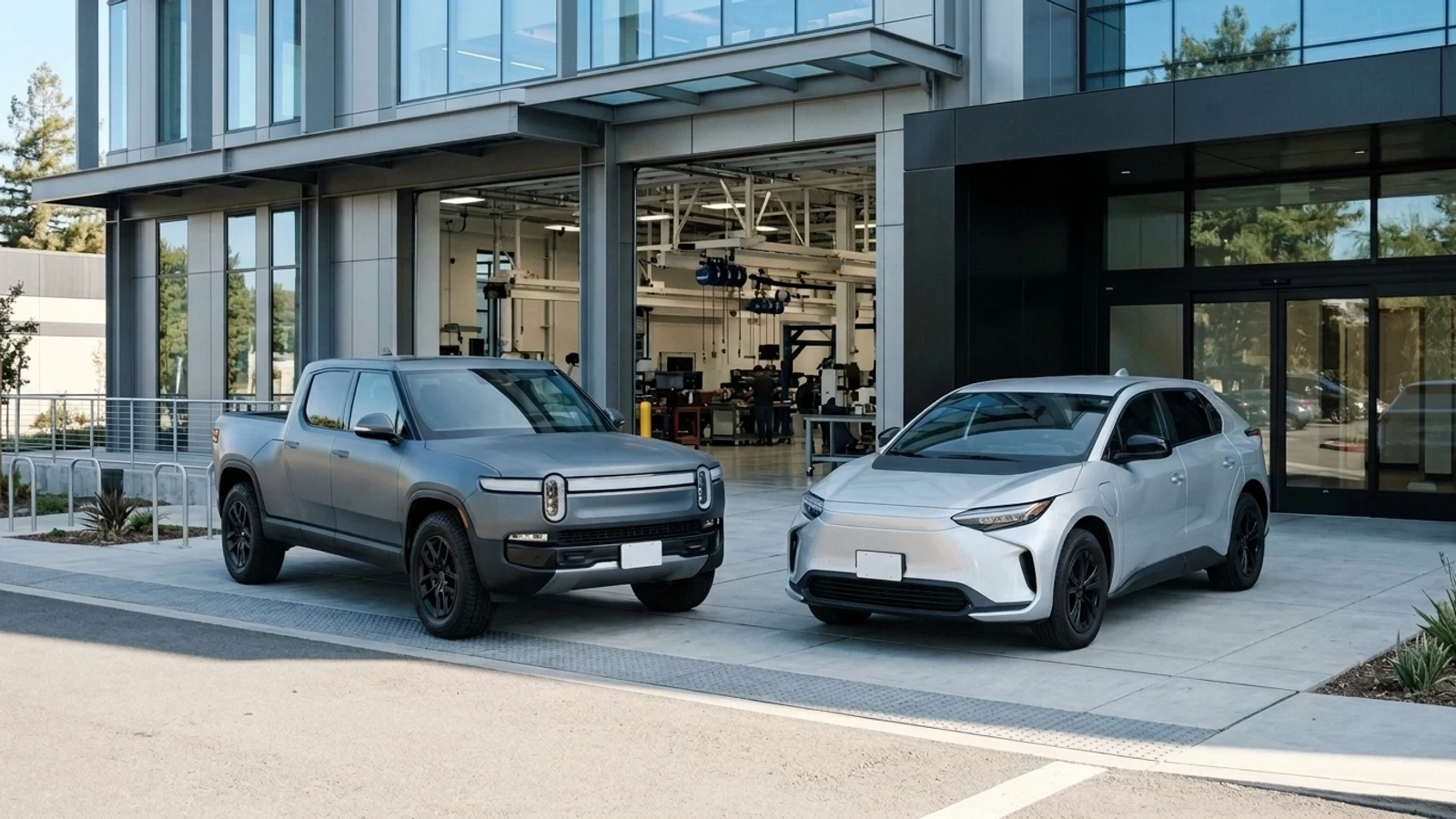
Technological advancement in the electric vehicle division is moving toward production milestones. A dedicated in-house battery cell manufacturing facility has reached a key objective by shipping its first units intended for Fathom prototypes. This development is described by the manufacturer as a major step toward the goal of producing an electric truck with a market entry price point below $30,000. These internal data points are supported by company battery longevity research gathered since 2021. Source
The automaker is also exploring safety-oriented technology, including the investigation of external airbag systems designed to mitigate the severity of potential vehicle-pedestrian impacts. While these systems are currently under development, the focus remains on enhancing occupant and pedestrian protection. Additionally, the company continues to maintain legacy commercial lines, such as the Transit and Econoline series, ensuring that businesses retain access to established platforms like the E-Transit and various specialized cargo vans. Source
For builders and performance hobbyists, a new one-off Bronco project has been introduced to showcase the Megazilla 2.0 powertrain. This supercharged V8 engine is engineered to deliver over 1,200 hp. The project is specifically intended to demonstrate the capabilities of the platform for specialized engine builders. To complement these high-output engines, the company is aligning its powertrain offerings with new transmission options, ensuring that torque-heavy engines are supported by appropriate gear-shifting hardware within the performance ecosystem. Source
In the broader automotive landscape, the comparison between traditional internal combustion engines and electric alternatives continues to shape purchasing trends. Data compiled since 2021 regarding battery endurance is frequently cited by the manufacturer as evidence of increasing viability for electric platforms. However, classic and used vehicle markets remain active, with interest in specific models like the 2019 Escape, despite noted historical mechanical challenges. This dual focus defines the current market interaction between heritage products and emerging technologies. Source
Potential buyers currently evaluating the market have access to a variety of financing and leasing structures. The Maverick, for example, is currently available through leasing terms as low as $399 per month, provided the customer meets standard credit and up-front cost requirements. Such incentives are intended to maintain competitiveness as the company manages its diverse portfolio. As the year progresses, the availability of these specific models and trims will vary significantly across different retail regions and dealerships. Source
Beyond retail operations, there are secondary considerations regarding how the automaker manages its extensive history. While vehicle production follows strict schedules, the public perception of the brand is also influenced by its historical legacy. The company often references its heritage in design, as seen with the GTD’s nod to the 1901 racing period. These marketing narratives are balanced by an operational focus on addressing contemporary challenges, such as pedestrian safety, battery production, and the refinement of internal combustion powerplants. Source
Comparing the Ford portfolio to competitors requires an analysis of specific segment capabilities. Full-size trucks maintain a dominant market position, but compact trucks are growing in relevance for urban buyers. The company continues to refine its F-Series offerings to ensure they meet the demands of commercial and private owners alike. By diversifying its power options—from traditional V8 engines to future electric truck prototypes—the manufacturer seeks to mitigate the risks associated with shifting market demand in the late 2020s. Source
Looking ahead, the commitment to local manufacturing—specifically at the new in-house battery plant—represents a significant capital investment. This aligns with a broader industry trend of vertical integration in the supply chain for electric vehicles. By securing its own supply of cells for prototypes, the manufacturer aims to gain greater control over the cost and performance of its future truck lineup. These efforts are part of a larger plan to keep high-utility vehicles attainable for a broader segment of the purchasing public. Source
In summary, the transition toward the 2026 model year involves both the continuation of successful platforms and the introduction of new engineering concepts. From the high-performance V8 upgrades in the Bronco to the price-sensitive electric truck initiative, the automaker is pursuing a multifaceted growth strategy. Consumers should check with local dealerships regarding specific trim availability, pricing updates, and the rollout of new technology, as these factors remain subject to manufacturing capacity and regional dealer inventory allocations. Source

