
Conceptual Safety Technology
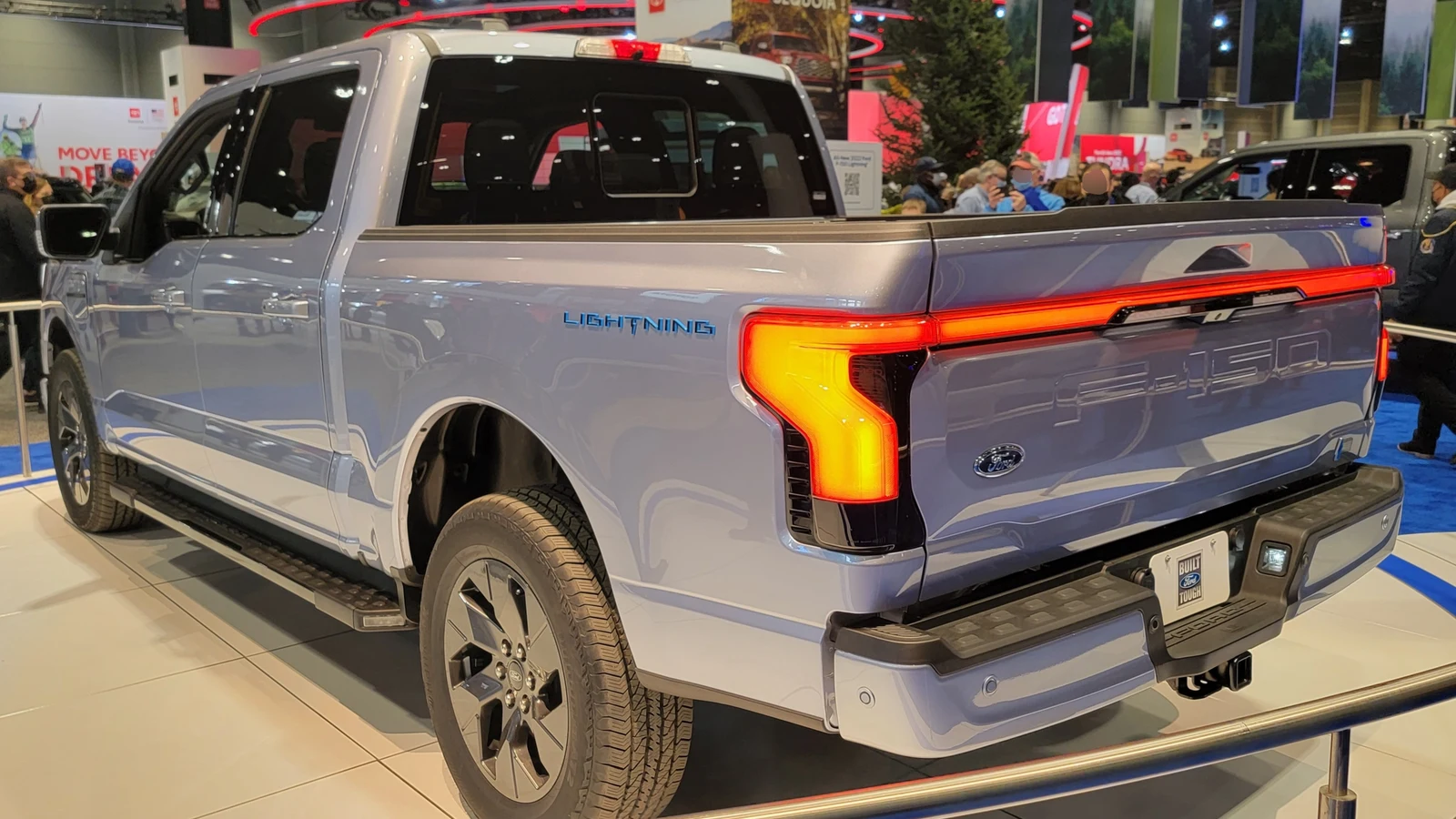
As of November 19, 2026, details have emerged regarding a new automotive technology patent filed by Ford aimed at enhancing safety for pedestrians involved in collisions with large vehicles. This potential safety system seeks to address the heightened risks associated with the blunt front-end designs of modern full-size trucks and SUVs. By integrating an airbag mechanism directly into the front grille, the manufacturer aims to mitigate the force of impact, potentially offering a buffer between human pedestrians and the rigid materials of a vehicle's bodywork. Source
The technical design described in the documentation involves an airbag housed within the top section of a vehicle's front grille. This assembly is positioned behind a panel engineered to fracture in a controlled manner upon impact, which facilitates the rapid deployment of the cushion. Once triggered, the airbag is designed to inflate similarly to a large mattress, extending across the front of the vehicle. This expansion is intended to catch a pedestrian during a collision, thereby absorbing and distributing the kinetic energy of the impact. Source
Beyond simply softening the initial contact, the system is designed to potentially extend over portions of the hood. This coverage is intended to prevent secondary head impacts against hard surfaces of the vehicle chassis, such as steel or aluminum components. Because this technology targets the exterior of the vehicle rather than the interior cabin, it would necessarily function under different operational parameters than standard cabin airbags, requiring split-second deployment before the vehicle makes contact with a human pedestrian. Source
The operational success of such a system would rely heavily on the coordination between onboard sensors and the airbag deployment mechanism. Unlike internal vehicle airbags, which often have a slightly longer window to inflate after a frontal impact with a stationary object, a pedestrian-facing bag must deploy at the immediate onset of the crash. This requires sophisticated software and hardware integration capable of detecting that a collision is inevitable, effectively identifying the pedestrian as the primary point of contact before physical interaction occurs. Source
Regulatory and Design Context
Pedestrian-specific airbag technologies are not unprecedented in the automotive industry. Volvo debuted a similar system on the V40 model in the European market in 2014. These earlier iterations often utilize hood-mounted airbags or pyrotechnic lift systems that raise the rear edge of the hood to create additional crush space. However, those existing solutions are primarily optimized for lower-profile passenger cars and crossovers, where pedestrians are more likely to be caught as they move over the hood rather than being directly struck by a blunt, tall grille. Source
The development of external airbag systems in Europe has been largely driven by stringent pedestrian safety regulations. In contrast, the United States lacks comprehensive, vehicle-specific regulations aimed at preventing pedestrian or cyclist fatalities. Consequently, truck and SUV designs in North America have trended toward taller hood lines and more aggressive, upright grilles. These design characteristics have been identified as contributing factors to the increased severity of pedestrian injuries, as they limit driver sightlines and increase the kinetic force exerted during a collision. Source
Data indicate that accidents involving full-size trucks and SUVs are statistically more dangerous for pedestrians and cyclists compared to smaller passenger vehicles. Several factors, including extended braking distances, substantial blind spots, and the physical shape of the front-end, contribute to rising fatality statistics over recent years. While there is public criticism regarding the design choices favoring large, imposing grilles, consumer preference for these aesthetic and structural attributes remains strong, prompting manufacturers to explore technical mitigations rather than fundamental design overhauls. Source
It remains critical to note that the existence of a patent filing is not a guarantee of future production intent. Patent documentation is a standard mechanism for companies to protect intellectual property and research developments, not a definitive roadmap for factory assembly lines. Even if this specific design were to reach the consumer market, it would not serve as a total solution for preventing collisions. Maintaining driver awareness and responsible operation remains the primary method for avoiding potential pedestrian impacts, as acknowledged in industry reporting. Source

