
Honda has officially revealed the second-generation Avancier, a three-row SUV engineered specifically for Asian markets, including Japan, Thailand, and China. This new model is notable for being the first non-electric vehicle from the company to display the updated H badge, which was previously intended only for its EV lineup. The launch marks a shift in branding strategy, as Honda plans to implement this simplified logo across its entire global portfolio starting in 2027. Source
The Avancier introduces a fresh, minimalist design aesthetic characterized by a thin light bar connecting LED daytime running lights, flush door handles, and a panoramic glass roof that stretches to the third row. Inside, the cabin features a column-mounted shifter to optimize space on the center console and a large digital screen that houses most vehicle controls. Premium touches include a 12-speaker Bose audio system with Dolby Atmos and heated and ventilated seats in the second row. Source
Under the hood, the Avancier debuts Honda’s latest two-motor hybrid powertrain. This system integrates a direct-injection petrol engine with dual electric motors, enabling an all-wheel-drive configuration through the DualPower eAWD setup. The company states this system controls front and rear wheels independently for improved handling and efficiency. While Honda has not disclosed specific performance figures, the system includes an S+ Shift function designed to simulate traditional gear changes during operation. Source
Industry observers expect that the design elements and the two-motor hybrid powertrain found in the Avancier will influence the upcoming seventh-generation CR-V. Honda has indicated that it intends to launch 15 new hybrid models globally by 2030, a roadmap that includes a new CR-V model next year and updates to the Civic and Accord. Although the Avancier will not be sold in the United States, its cabin layout and technological features are expected to inform future models in that region. Source
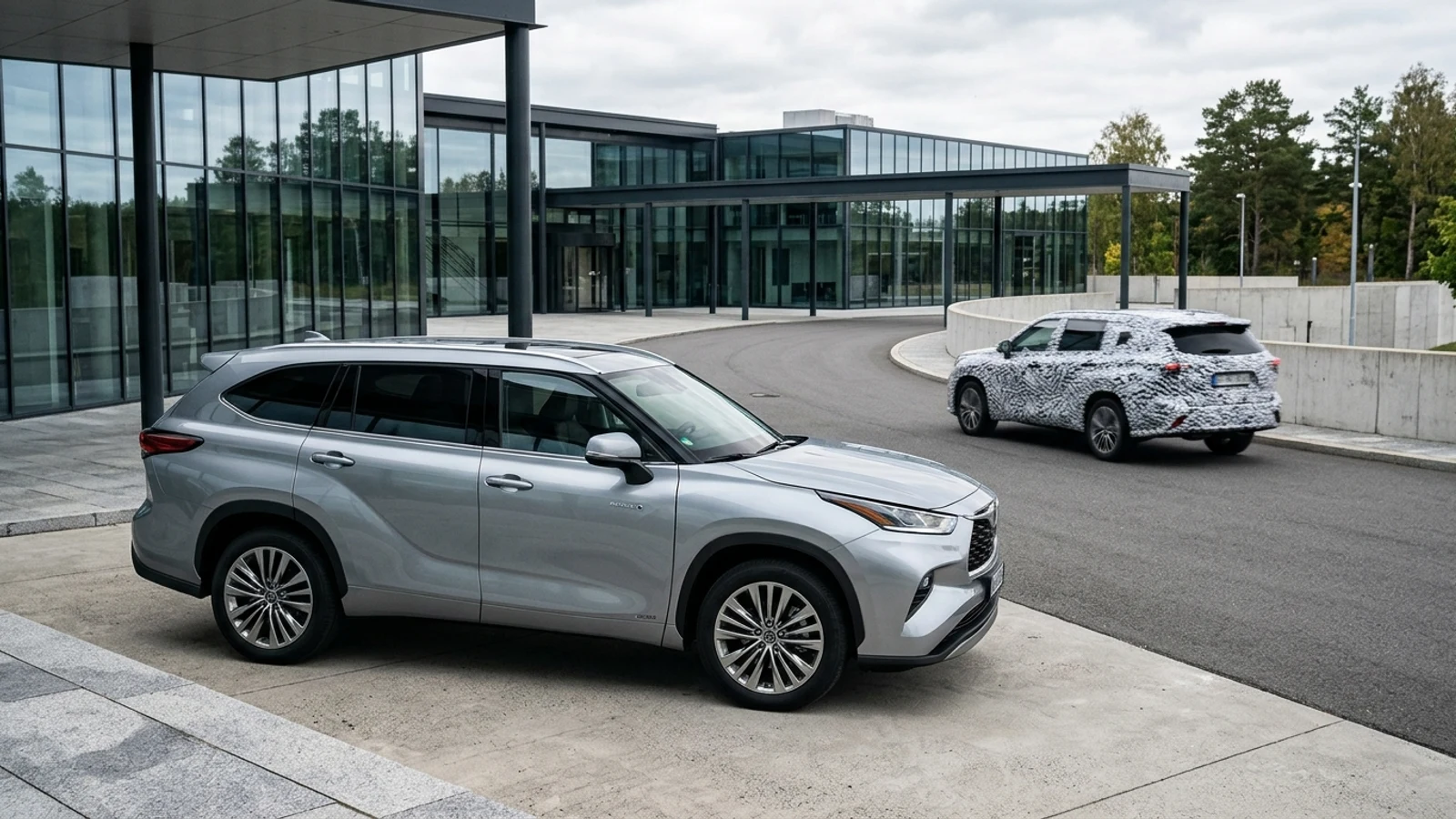
While Honda focuses on its Asian rollout, Hyundai is currently testing a new vehicle, reported as the NI1i, in South Korea. This prototype features heavy camouflage and branding stickers marking it as an HEV, or hybrid electric vehicle. The vehicle is being developed with a focus on the Indian market, positioning it between the existing Alcazar and Palisade models. Hyundai has not yet provided an official name or market release date for the project. Source
The Hyundai NI1i is expected to differentiate itself from traditional rugged SUVs like the Toyota Fortuner by utilizing a monocoque architecture instead of a ladder-frame chassis. This design approach is typically prioritized for improved ride comfort and better packaging, making it more suited for urban environments and highway travel. The test mule was observed riding on 18-inch wheels from the Indian manufacturer JK Tire, a detail which analysts link to the model's intended market focus. Source
Though official specifications remain unconfirmed by the manufacturer, reports suggest the NI1i might feature a 1.6-liter turbo-petrol hybrid powertrain. Unverified accounts indicate this setup could produce 180 PS and 265 Nm from the combustion engine, supplemented by an electric motor contributing an additional 65 PS and 264 Nm. These components would likely be paired with a 6-speed torque-converter automatic transmission, with both front-wheel and all-wheel-drive configurations reportedly under consideration for the platform. Source
Beyond petrol-hybrid options, there is speculation regarding a possible 2.2-liter diesel engine variant for the Hyundai NI1i, which could deliver approximately 193 PS and 442 Nm. This potential diesel configuration is said to be paired with an 8-speed wet dual-clutch transmission. However, these figures are currently attributed to industry reporting rather than official Hyundai documentation, and the final production-ready configuration may change significantly before any formal launch. Source
In Australia, Ford is also expanding its hybrid strategy, having applied to trademark the name Ranger Crosspower. This move has prompted speculation about a potential expansion of the Ranger lineup, possibly featuring an extended-range electric vehicle (EREV) powertrain. The company has clarified that trademark applications are a standard business practice and do not strictly confirm specific product launches, though the move follows the rebranding of its plug-in hybrid model to the Ranger Hybrid moniker. Source
The Australian market context is driven by the government's New Vehicle Efficiency Standard (NVES), which limits CO2 emissions for new vehicles. In 2027, the headline emission limit for Type 2 vehicles is set to drop to 150g/km. Currently, the Ranger plug-in hybrid model is rated at 70g/km, positioning it well within these future requirements. This regulatory pressure is seen as a key factor in the industry's push toward hybrid and extended-range electric vehicle technologies for popular models. Source
For comparison, manufacturers are employing different hybrid strategies to meet both consumer demand and emissions targets. The table below outlines key technical considerations for current and emerging hybrid models as reported by the publishers. Source
| Model | Segment | Key Propulsion | Market Focus |
|---|---|---|---|
| Honda Avancier | 3-Row SUV | 2.0L Hybrid + DualPower eAWD | Asia |
| Hyundai NI1i (Test) | 3-Row SUV | 1.6L Petrol-Hybrid (Reported) | India |
| Ford Ranger PHEV | Ute | PHEV System | Australia / Europe / SA |

