
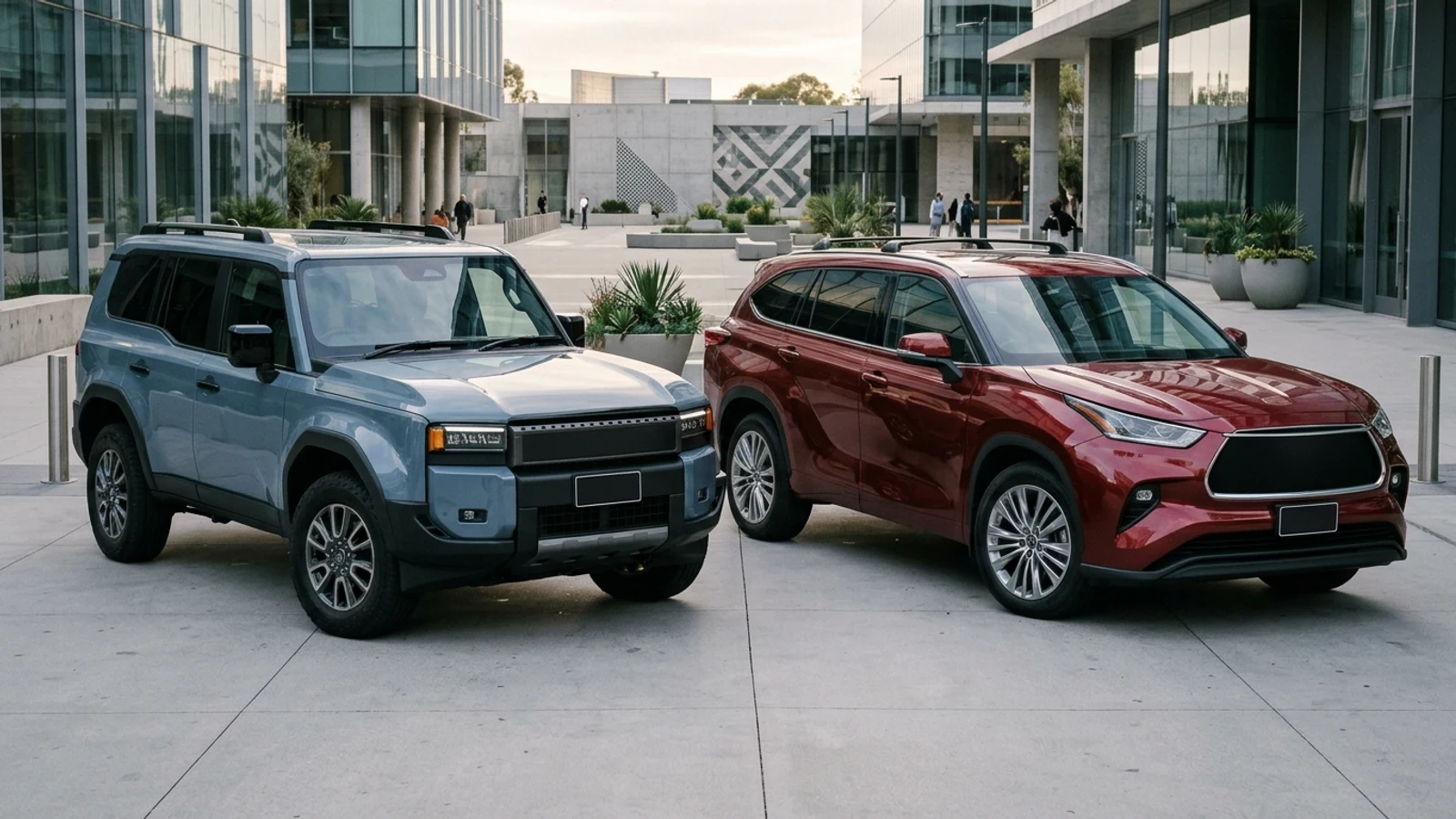
Comparing Market Entry and Engine Dynamics
The three-row SUV segment features two distinct approaches to six-cylinder engineering with the Honda Pilot and the Mazda CX-90. As of November 2026, prospective buyers face a decision between the utility-focused Honda and the more premium-styled Mazda. While both models compete directly in the same market, their financial profiles diverge significantly when examined beyond the initial point of sale. Understanding these differences requires a look at purchase prices, ongoing operating costs, and long-term reliability projections. Source
The Honda Pilot enters the market with a base price of $42,395, while the Mazda CX-90 starts at $39,700. This $2,695 difference favors the Mazda for buyers prioritized by the lower sticker price. However, price is only one component of the total ownership experience. Each vehicle utilizes a different engine configuration, with the Mazda CX-90 employing a 3.3-liter turbocharged inline-six, whereas the Honda Pilot relies on a naturally aspirated 3.5-liter V6 engine for its power delivery. Source
Engine specifications differ in both configuration and performance output, impacting efficiency and daily operation. The Mazda inline-six provides higher torque figures compared to the Honda V6. In terms of efficiency, the Mazda is reported to be more fuel-efficient, with annual fuel costs estimated at approximately $1,848 based on 15,000 miles of driving. In contrast, the Honda Pilot fuel efficiency varies by drivetrain, with the all-wheel-drive configuration achieving a combined 21 mpg. Source
Long-Term Reliability and Maintenance Costs
When assessing long-term reliability, data from multiple industry observers suggests a shift in favor of the Honda Pilot. The Mazda CX-90 has recorded 11 outstanding recalls since its 2024 debut, whereas the 2024 Honda Pilot has recorded six. While high recall counts do not definitively prove poor reliability, they necessitate more frequent dealership visits. Consumer Reports predicts that the 2026 Mazda CX-90 will perform below the average new vehicle in reliability rankings. Source
JD Power reliability scores further illustrate the divergence in market performance for these SUVs. Throughout various model years, the Mazda CX-90 has maintained scores between 65 and 74 out of 100. The Honda Pilot has demonstrated higher reliability scores, ranging from 70 to 81 for models from 2023 onward. These metrics suggest that for owners focused on longevity and minimizing repair visits, the Honda Pilot is often positioned as the preferred choice by industry reliability tracking outlets. Source
Maintenance and depreciation data provided by CarEdge offers a broader financial outlook for potential owners. Over the first five years, projected maintenance costs for the Mazda CX-90 total $2,639, while the Honda Pilot is estimated at $2,548. The financial gap widens significantly when factoring in depreciation and insurance. The Honda Pilot is projected to retain more value over time, with depreciation estimates trailing the CX-90 by $3,156 and insurance costs being $545 lower than the Mazda. Source
Engineering complexity plays a notable role in these long-term cost assessments. The addition of a turbocharger and its associated hardware in the Mazda CX-90 creates additional points of potential failure compared to the simpler naturally aspirated setup of the Honda Pilot. While turbocharging provides performance benefits, it also increases internal engine stress. Consequently, even if warranty coverage mitigates the initial costs of repairs, the long-term logistical burden for the owner generally favors naturally aspirated engines. Source
For consumers planning a short-term ownership period of three to four years, the initial savings from the Mazda's lower MSRP and superior fuel economy remain relevant factors. During this timeframe, major failures are less likely and potentially covered by the manufacturer's warranty. However, as American motorists increasingly retain vehicles for longer durations, the total cost of ownership beyond the initial warranty period becomes a primary concern for making a financially sound decision. Source
The following table highlights key differences in the base specifications provided by the manufacturers for their respective 2026/2027 market iterations. These figures represent the entry-level configurations for each model. Note that variations in performance, such as higher-horsepower versions of the Mazda inline-six, exist beyond these base specifications. Prospective buyers should confirm current dealership pricing and trim availability as these can change based on regional inventory and specific dealer markups or incentives. Source
| Feature | Honda Pilot (Base) | Mazda CX-90 (Base) | Source
| :--- | :--- | :--- | Source
| Base MSRP | $42,395 | $39,700 | Source
| Engine | 3.5L V6 | 3.3L Turbo Inline-6 | Source
| Drivetrain | FWD | AWD | Source
| Recall Count (2024) | 6 | 11 | Source

