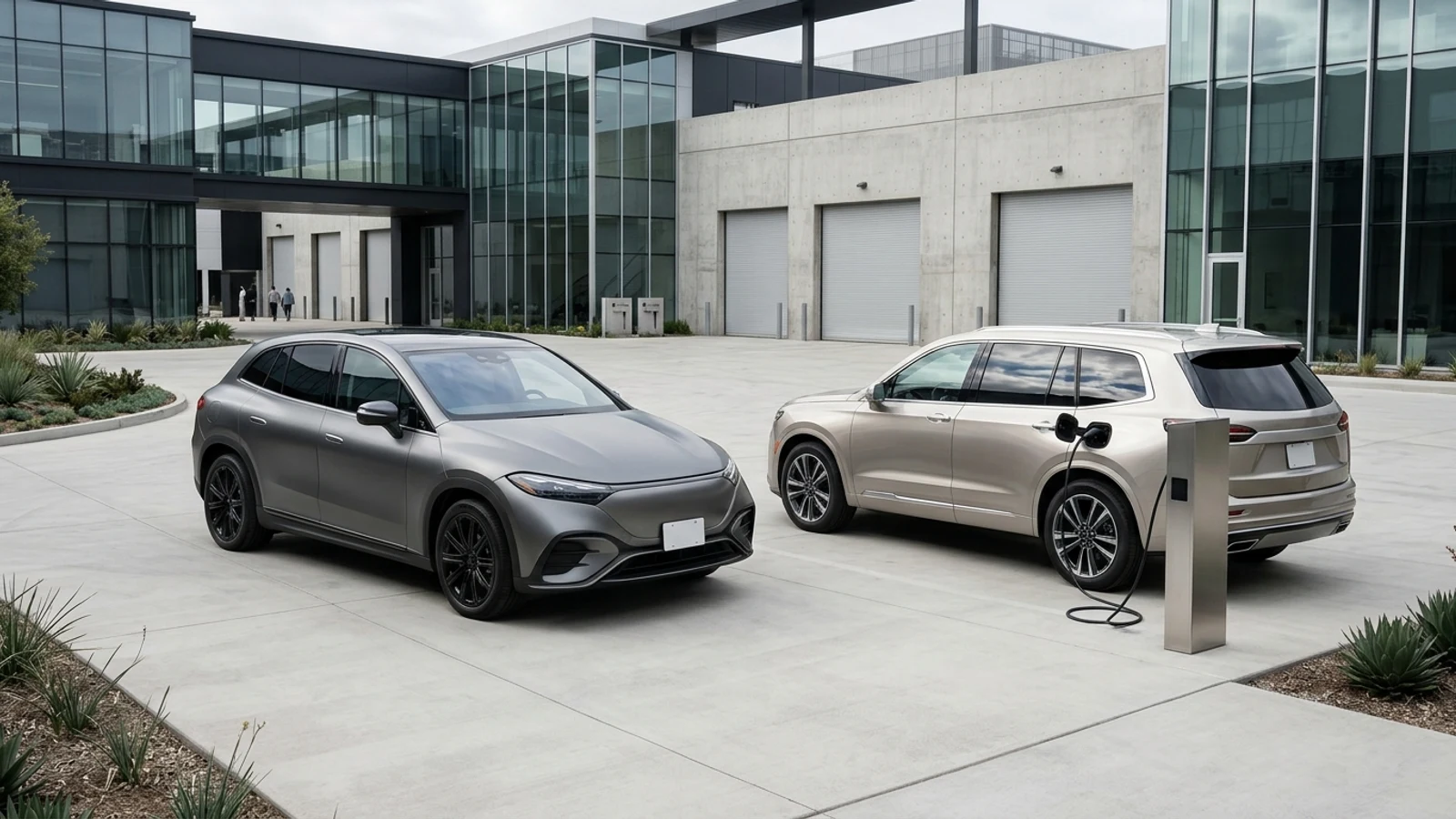
Lexus is advancing its strategy to transition toward a fully battery-electric vehicle lineup, targeting global electrification by 2035 and an earlier 2030 goal for the European market, provided regional conditions support the shift. As reported by Auto&Design, the company showcased its future direction at the Kenshiki forum in Brussels, featuring the LF-ZC and LF-ZL concepts. These studies introduce a design language termed provocative simplicity, which aims to evolve the brand identity through refined aesthetics, digital-first cockpits, and innovative materials like sustainable bamboo. Source
Electrification Roadmap and Concept Strategy
The LF-ZC concept, which stands for Lexus Future Zero-emission Catalyst, represents a forthcoming sedan slated for introduction in 2026. According to Auto&Design, the vehicle is engineered with a low center of gravity and a spacious cabin to optimize the potential of electric platforms. Complementing this is the LF-ZL, or Lexus Future Zero-emission Luxury, an SUV concept study focused on integrating mobility into society through personalized driving experiences that adapt to individual user preferences and daily routines. Source
In the production sector, the 2024 Lexus TX PHEV serves as the brand's inaugural U.S.-assembled plug-in hybrid SUV. TopElectricSUV reports that the vehicle features a 3.5-liter V6 engine paired with two propulsion motors. This configuration delivers a system output of 404 hp, enabling an acceleration from 0 to 60 mph in 5.9 seconds. The manufacturer estimates a total top speed of 112 mph. The vehicle utilizes an 18.1 kWh lithium-ion battery pack, providing an estimated zero-emission driving range of 33 miles. Source
Interior features for the 2024 TX PHEV Luxury grade include a 14-inch touchscreen interface and a 12.3-inch digital instrument cluster. TopElectricSUV notes that the interior is equipped with heated and ventilated captain's chairs in the second row and power-folding third-row seating. The infotainment system supports wireless Apple CarPlay and Android Auto, along with cloud-based navigation. While the interface is praised for its simplicity, some comparisons suggest that alternative premium systems offer more extensive layouts and augmented reality views. Source
For current owners, the 2026 Lexus RZ 550e has demonstrated specific performance limitations during extreme winter conditions. As detailed by Driving, testers experienced significant range depletion when temperatures dropped below -10ºC. While the advertised range is 360 km, reports indicate that real-world performance reached roughly 60% of that estimate during peak winter usage. The publication notes that achieving the maximum advertised range often requires the activation of a restricted driving mode that caps speeds at 100 km/h and disables climate control systems. Source
Comparisons of key vehicle performance and pricing metrics provide a clearer view of the current Lexus lineup capabilities. The table below outlines data provided by publishers regarding specific hybrid and electric models. Source
Model | Powertrain | Range/Performance Claim | Source | 2024 TX 550h+ | 3.5L V6 PHEV | 33 miles (est.) | TopElectricSUV | 2026 RZ 550e | Battery Electric | 360 km (advertised) | Driving | 2014 CT 200h | 1.8L I4 Hybrid | 134 hp | CarBuzz Source
Long-Term Reliability and Maintenance
Long-term reliability data for the 2014 Lexus CT 200h offers insights into hybrid longevity. CarBuzz reports that a specific unit reached the one-million-mile mark, providing a case study for hybrid component endurance. The owner performed one hybrid battery replacement over this duration, despite industry estimates typically anticipating battery life around 150,000 miles. RepairPal estimates suggest the cost for such a replacement is approximately $4,586, while annual maintenance costs for the vehicle are estimated at $386. Source
Operational challenges for luxury models, such as the Lexus LM, involve managing cabin technology for diverse passenger needs. Top Gear reports that the rear entertainment system in the LM features a 48-inch screen, which requires specific HDMI connectivity rather than wireless mirroring for most streaming services. Users have turned to external streaming sticks connected to mobile hotspots to bypass limitations with built-in screen mirroring protocols. These modifications are often necessary for road trips, particularly when accommodating younger passengers. Source
Design consistency remains a hallmark of recent Lexus releases, though the brand balances various aesthetic profiles. TopElectricSUV highlights that the TX PHEV adopts an elegant, boxy character, contrasting with the more aggressive styling found in the RZ, NX, or RX models. The use of soft-touch materials extends throughout the dashboard and door cards of the TX, contributing to the cabin's luxury aesthetic. These design choices appear to prioritize comfort and spatial utility for families over the sport-oriented appearance of other crossover models. Source
Maintenance findings for older hybrids like the CT 200h contrast with the complexity of newer luxury segments. CarBuzz analysis indicates that while initial hybrid powertrain components are reliable, consistent use is recommended to maintain battery health. The million-mile example utilized for these observations highlights that driving habits and high-frequency usage helped extend the life of the hybrid battery beyond standard estimates. Owners are encouraged to maintain financial reserves for future battery servicing as these vehicles age. Source
The evolution of the brand's vehicle architecture reflects a shifting emphasis from standard internal combustion to varied electrified platforms. Whether through the efficiency-focused TX PHEV or the future-gazing LF concepts, the focus remains on integrating intuitive technology with traditional manufacturing quality. As the industry moves toward 2035, the experiences of long-term owners and current test fleets will continue to inform the development of these next-generation mobility solutions. Source