
Retail Allocation and Customer Waitlists
The process of purchasing a high-demand Lexus vehicle, such as the GX 550, operates through a dealer-driven allocation system rather than a traditional build-to-order model. According to reporting from Motor1, this mechanism functions as a black box that often leaves customers uncertain regarding their position in line. While deposits are collected to secure a spot, dealers receive batch allocations from the manufacturer periodically and assign these units internally to their own waiting lists, often limiting consumer transparency. Source
Market reports indicate that customers who specify rigid requirements for trim, color, or interior features may face significant delays or find themselves bypassed when specific configurations arrive at dealerships. In instances where demand exceeds available supply, dealers may prioritize other buyers for specific units, even if a customer has held a deposit for a prolonged period. This retail dynamic has led to frustration among some buyers who expected a more customized order experience for premium vehicle purchases. Source
For those navigating this retail process, industry observers suggest several proactive measures to better manage expectations. Buyers are encouraged to confirm the exact nature of their priority status in writing, including whether a deposit guarantees a specific configuration or merely a spot on a general waitlist. Regular communication with sales management during expected allocation windows and maintaining flexibility regarding build specifications are often recommended strategies to shorten the waiting period for new vehicle delivery. Source
Electric Vehicle Strategy and Future Models
Lexus has established a long-term strategic roadmap to transition its global product lineup to 100 percent battery electric vehicles by 2035. In the European market, this shift is targeted for completion by 2030, provided that regional market conditions remain favorable. These developments were shared during the company's annual Kenshiki forum in Brussels, where the brand outlined how new technological design principles will influence future mobility experiences for its customers. Source
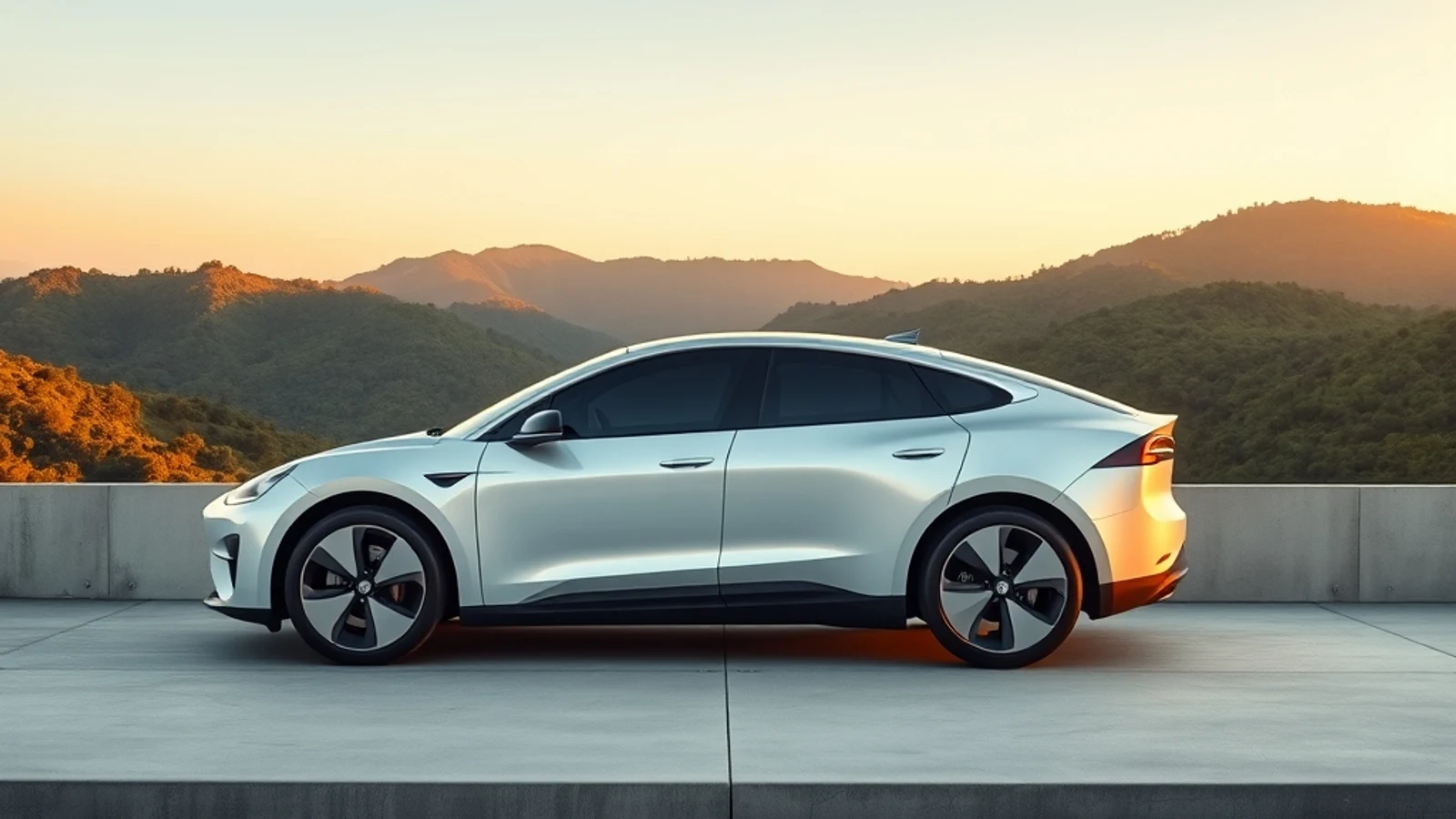
The manufacturer has introduced several concept vehicles that illustrate its future design and technological direction. The LF-ZC, or Lexus Future Zero-emission Catalyst, is a sedan currently scheduled for a 2026 launch. Simultaneously, the LF-ZL, representing Lexus Future Zero-emission Luxury, serves as a high-end electric SUV study. These concepts emphasize a design theme described as provocative simplicity, incorporating bamboo as a sustainable material and advanced digital cockpits with steer-by-wire technology. Source
Trademark applications filed with the European Union's Intellectual Property Office have revealed potential naming conventions for future electric models, including the Lexus TZ 450e and TZ 550e. These registrations align with the established logic that the letter Z represents electric vehicles in the brand's nomenclature, while the letter X remains designated for SUVs. This upcoming three-row electric utility vehicle is expected to function as an electrified equivalent to the existing gasoline-powered TX model. Source
The 2024 Lexus TX PHEV represents the brand's first U.S.-assembled plug-in hybrid SUV. Designed for large families, this model provides an alternative to traditional gasoline-powered utility vehicles. It features an 18.1 kWh lithium-ion battery pack, which supports an estimated 33-mile zero-emission driving range. Performance specifications for the vehicle include a combined output of 404 hp, enabling a 0-to-60 mph acceleration time of 5.9 seconds and a top speed of 112 mph. Source
The following table compares key specifications for the 2024 Lexus TX PHEV model based on provided manufacturer data. Source
| Feature | Specification |
|---|---|
| Battery Capacity | 18.1 kWh |
| Estimated Electric Range | 33 miles |
| System Horsepower | 404 hp |
| 0-60 mph Time | 5.9 seconds |
| Top Speed | 112 mph |
| Combined Fuel Economy | 29 MPG |
In addition to these powertrain details, the TX PHEV includes a 14-inch touchscreen infotainment interface as standard, featuring wireless Apple CarPlay and Android Auto. The vehicle's cabin is configured with 10-way power-adjustable front seats and heated, ventilated second-row captain's chairs. While the manufacturer positions this vehicle as a premium family transport, it is marketed exclusively in a singular Luxury grade in the U.S. market, priced at $78,050 including the delivery, processing, and handling fee. Source
Broader industry trends also indicate significant changes in vehicle design and testing, as evidenced by leaked images of future models from other manufacturers. For example, reports surfacing on enthusiast forums depict a 2027 BMW X5 featuring new lighting signatures and an electric-first design evolution. Such leaks highlight the increasing sensitivity around product timelines, particularly as automakers ramp up their global electric vehicle transitions to meet ambitious 2030 and 2035 sustainability goals. Source
Ultimately, the tension between legacy retail practices and the rapid rollout of new electric models continues to shape the consumer experience. As Lexus pursues its goal of electrification, the effectiveness of its dealer communication and allocation transparency will remain central to maintaining consumer trust. Potential buyers are advised to stay informed through regional brand representatives as the company continues to update its production strategy in response to global demand for both plug-in hybrids and full electric vehicles. Source

