
The automotive industry is currently characterized by an intense focus on performance, efficiency, and the development of specialized utility vehicles. As manufacturers look toward the future, there is a clear trend toward vehicles that offer both significant off-road capabilities and practical utility. Automakers are increasingly investing in platforms that support these requirements, with many looking to balance the transition toward electrification with the continued demand for high-performance combustion engines in specific segments. Source
For the 2025 model year, several established vehicles are receiving updates to maintain their market positions. The GMC Terrain features a facelift with a rugged exterior and updated interior, while maintaining its 175-horsepower 1.5-liter turbocharged engine. Similarly, the Nissan Frontier is being upgraded for 2025 with a revised front-end design, a larger touchscreen, and an increased towing capacity of 7,150 lbs, providing a competitive response to the Toyota Tacoma in the compact truck market. Source
The off-road SUV and truck market is also seeing new arrivals aimed at enthusiasts. The Ineos Grenadier Quartermaster pickup, entering the market for 2025 with a 3.0-liter turbocharged inline-six BMW engine, offers a rugged, no-compromise option. Meanwhile, the Land Rover Defender OCTA is launching as a range-topping derivative for the 2025 model year, utilizing an M-spec 4.4-liter twin-turbo V8 engine to directly target the Mercedes-AMG G63 as its primary competition. Source
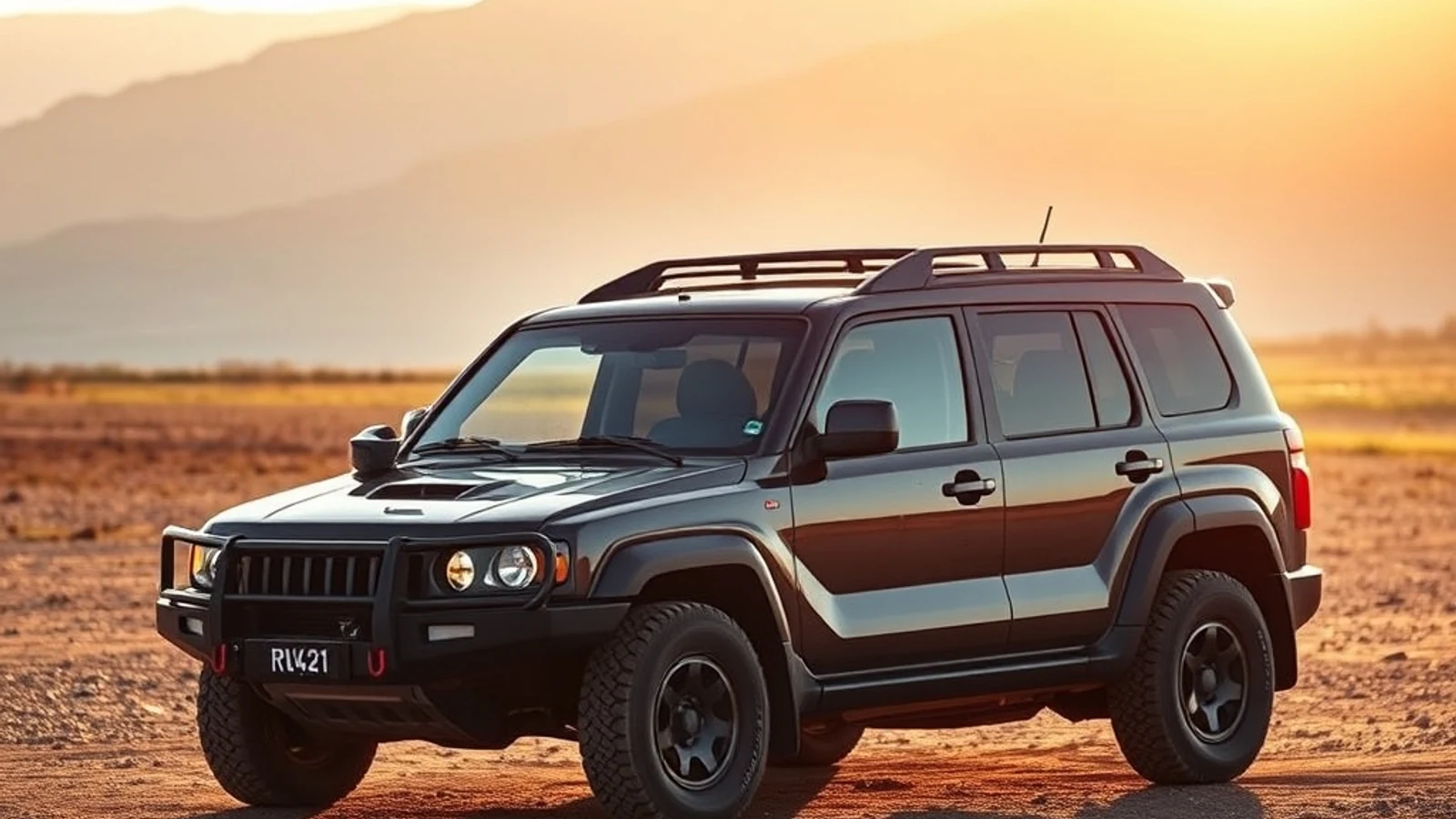
Nissan has officially announced that the Xterra will return to the North American market by 2028. Last sold in the United States in 2015, the SUV will return to compete in a market segment that has recently seen high demand for nostalgic, body-on-frame off-road vehicles. According to Nissan executives, the decision to revive the Xterra nameplate is central to the company's strategy to address recent performance challenges and reconnect with its core customer base through simplified, high-utility designs. Source
Company leadership, including Nissan Americas Chairman Christian Meunier, has emphasized a pivot away from excessive, costly technological features that do not directly benefit the vehicle's core purpose. The upcoming Xterra is intended to embody this shift toward a vehicle that provides everything a user needs for adventure without unnecessary additions. This strategy mirrors the success seen by competitors like the Ford Bronco, which sold 146,000 units in 2025, and the Toyota Land Cruiser, which sold 43,946 units in the same period. Source
Development of the 2028 Xterra will focus on body-on-frame construction to ensure rigidity and maximum payload and towing capacity. Current expectations include the integration of independent suspension paired with a live rear axle to facilitate high levels of articulation for off-road use. While 35-inch tires are confirmed, the design will accommodate even larger options without requiring significant structural modifications. The manufacturer is also considering two-wheel-drive configurations to provide a lower entry-level price point. Source
To ensure market differentiation, Nissan plans to position the Xterra as a rugged, functional SUV, while Infiniti is expected to develop its own luxury-oriented derivatives based on similar platforms. These upcoming Infiniti models are planned to be larger than their Nissan counterparts, potentially offering both two-row and three-row configurations. This tiered approach aims to appeal to both younger consumers seeking utility and older buyers who recognize the legacy of the Xterra nameplate. Source
Regarding the future of electrification, Nissan is currently navigating the uncertainties of shifting global policies. While the company is actively preparing electric vehicle platforms, executives note that they are maintaining a balanced approach to their product strategy. This prudence is intended to safeguard against rapid shifts in regulatory environments, ensuring that the company can continue to deliver sustainable and affordable products regardless of specific policy trends. Source
Major auto shows often highlight experimental concept cars, but these vehicles have varied fates once the events conclude. While manufacturers maintain historic collections for significant prototypes, others are repurposed as engineering test vehicles or, in many instances, dismantled and destroyed due to storage costs, liability concerns, and the protection of confidential technology. It is important to note that many show concepts are specialized displays rather than fully functional automobiles. Source
In some cases, concept vehicles that were previously neglected have been successfully salvaged for preservation. For example, in 2024, General Motors donated the 2001 Pontiac REV concept to the Pontiac Transportation Museum after it was discovered in a scrapyard. This highlights the ongoing efforts by various institutions to secure and restore historically significant automotive prototypes, which offer a vital look into the design and technological evolution of their respective eras. Source
The following table compares specifications for select 2025-2026 models featured in the recent industry updates. These figures reflect manufacturer data for base trims and provided configurations. Source
| Model | Segment | Horsepower | Torque | Base Price (Approx.) |
|---|---|---|---|---|
| GMC Terrain 2025 | SUV | 175 hp | 203 lb-ft | $28,700 |
| Nissan Frontier 2025 | Truck | 310 hp | 281 lb-ft | $32,050 |
| Lincoln Navigator 2025 | SUV | 440 hp | 510 lb-ft | $99,995 |
| Land Rover Defender OCTA 2025 | SUV | N/A | N/A | $152,000 |

