
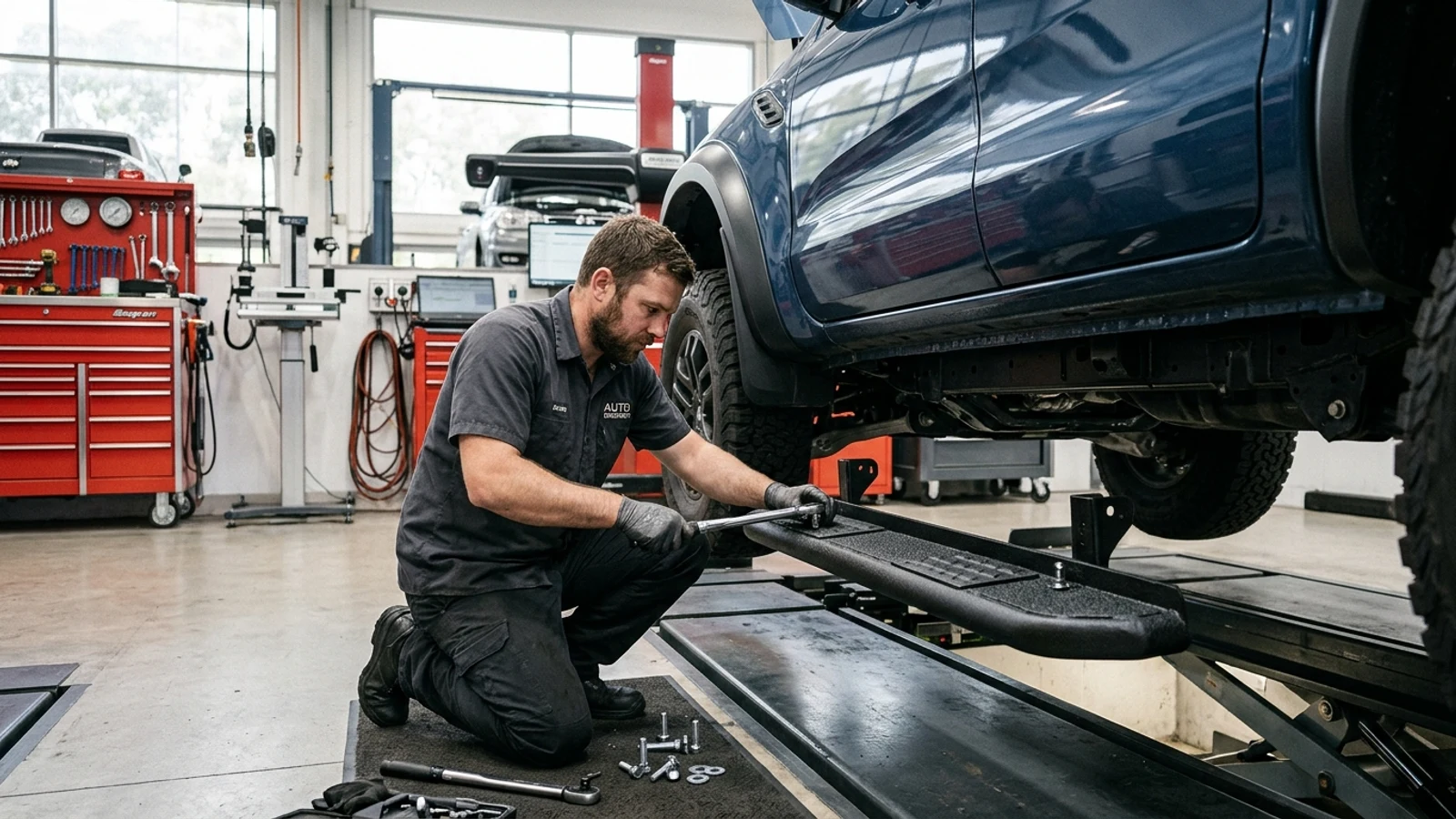
On November 23, 2026, the aftermarket automotive components manufacturer Oedro introduced a formal initiative aimed at improving the transparency and accuracy of product information for its line of running boards. The company, which specializes in providing accessories for SUVs, pickup trucks, and off-road vehicles, launched this program to assist owners in verifying essential compatibility details before completing a purchase. This standardized approach applies across the entire OEDRO Running Boards Collection available in the United States. Source
The primary focus of this initiative is the segment of vehicle owners operating tall SUVs and pickup trucks who frequently transport children, elderly passengers, or pets. The company identified that these vehicle types sit significantly higher off the ground than standard passenger cars, creating potential accessibility challenges. According to reports provided to The Detroit News, these difficulties are often compounded when owners are carrying additional cargo such as heavy coolers, luggage, or specialized camping equipment. Source
To address these access hurdles, running boards serve as an intermediate step between the ground and the vehicle's cabin floor. Oedro indicates that the need for such accessories extends beyond long-distance road trips, as vehicle owners regularly encounter similar entry issues during daily routines, including school drop-offs or the routine loading of cargo and equipment. In some instances, these steps also provide essential assistance to dogs that may be unable or reluctant to jump into high-profile vehicle cabins. Source
The company established this new documentation format following an analysis of pre-purchase inquiries received by its customer service team. A spokesperson for Oedro explained that the most frequent questions from potential buyers centered on whether a specific running board would physically fit their vehicle and whether the installation process required the owner to drill holes into the vehicle frame. By formalizing this data, the firm intends to ensure that customers have clear expectations about installation hardware and requirements. Source
Under the new guidelines, each listing on the official OEDRO website is required to display consistent information regarding compatibility and hardware. The company provides a clear advisory notice that aftermarket running boards are not universally compatible across different vehicle makes or models. Prospective buyers are instructed to confirm their specific vehicle year, make, model, and cab or body configuration against the data presented on each individual product page before placing an order to avoid potential fitment errors. Source
The initiative also reinforces the importance of professional or careful self-installation, urging buyers to adhere strictly to the provided installation instructions and any usage limitations stated within the product documentation. For pet owners, while the boards provide a mid-point step for entry, Oedro advises that owners should still offer direct assistance to pets to ensure safety. This emphasis on clear documentation aims to help owners confirm full compatibility before the product arrives at their location. Source
Oedro’s catalog includes a wide range of aftermarket parts such as floor mats, bumpers, and tonneau covers, all designed for vehicle-specific applications. The company maintains a strong focus on the SUV and pickup truck market, and by implementing this standardized information format, it hopes to streamline the selection process for its U.S.-based customers. The data provided on the website is intended to minimize the logistical complications associated with returns or assembly issues caused by incorrect vehicle configuration matches. Source
Verification Requirements for Running Board Orders
To summarize the core requirements for potential buyers, the following table outlines the verification steps now standardized across all product listings as reported in the November 2026 announcement. Source
| Requirement Category | Detail To Verify |
|---|---|
| Vehicle Identification | Year, Make, Model |
| Configuration | Cab or Body Type |
| Hardware Scope | Drilling vs. No-Drill |
| Documentation | Installation and Usage Limitations |
The company confirms that two specific configurations are being featured at the launch of this initiative. By isolating these key metrics, Oedro aims to provide a reliable framework that accounts for the differences in chassis design and attachment points among various popular truck and SUV models. This is particularly relevant for owners seeking non-permanent or no-drill installation options, which are now clearly designated within the updated product pages across the brand’s online platform. Source
Oedro acknowledges that providing this level of detail is intended to reduce the uncertainty that typically accompanies the purchase of aftermarket auto parts. By shifting the responsibility of identification to a more granular, standardized list, the firm suggests that owners can effectively mitigate the risk of purchasing incompatible parts. This initiative serves as a response to the evolving needs of the aftermarket segment, where vehicle diversity requires more precise fitment information to ensure safety and function. Source
Finally, for those managing fleet vehicles or older models, the company highlights that the specific make, model, and body configuration are displayed on every page to prevent common oversight errors. The initiative remains a foundational update to how the company communicates technical requirements for its aftermarket accessories, prioritizing customer knowledge regarding installation hardware and physical vehicle compatibility throughout the purchase journey in the United States market. Source

