
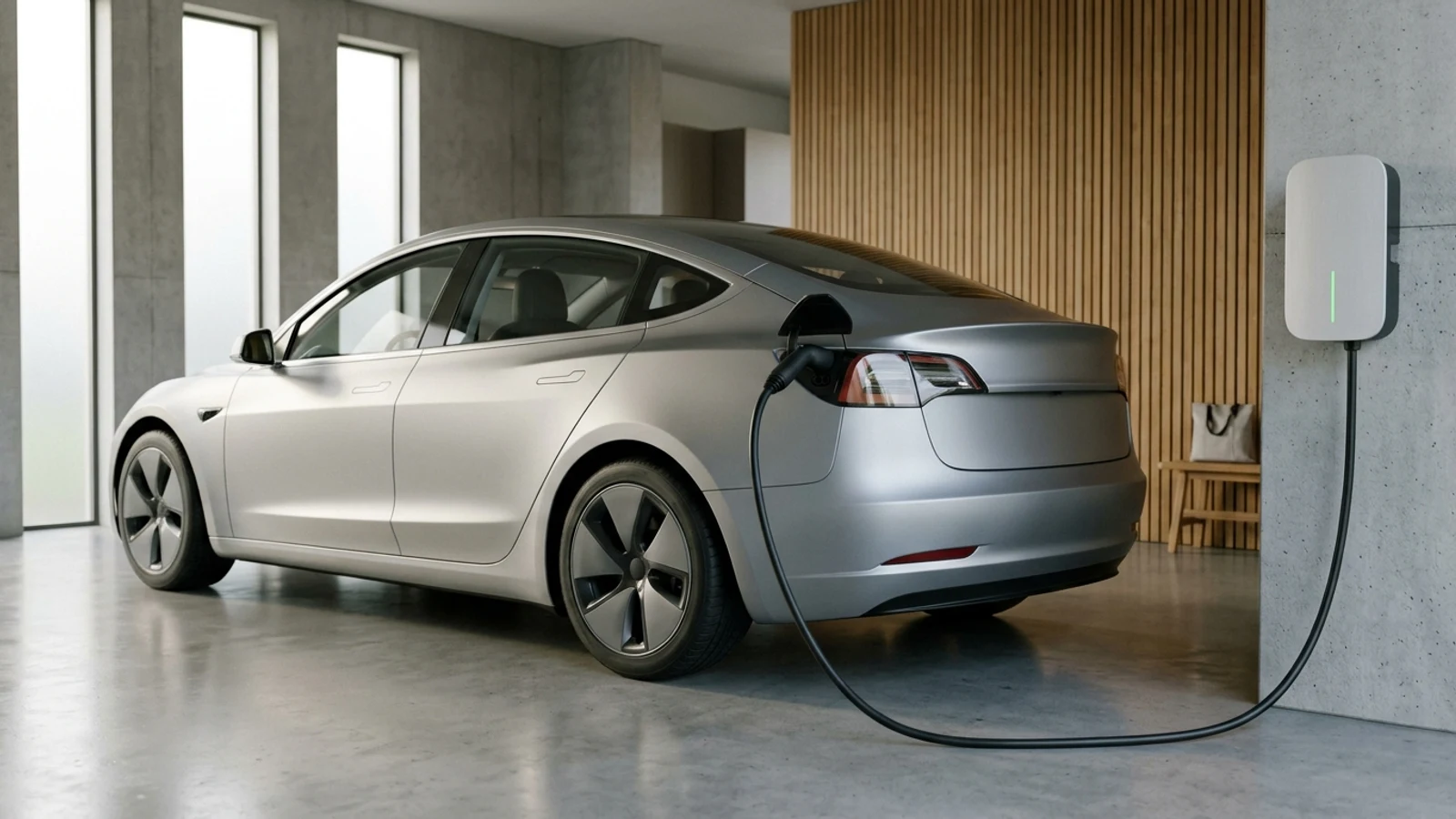
Tesla vehicles, including the Model S, Model X, and Model 3, are equipped with a Universal Mobile Connector (UMC) that provides owners the ability to charge using a variety of power outlets. The unit features interchangeable plugs, enabling connectivity to common household 110v sockets or more powerful 240v NEMA 14-50 outlets. This versatility allows owners to adapt their charging setup to the specific electrical infrastructure available in their garage or at various residential locations. Source
Home Charging Equipment and Strategies
The question of whether to leave the Universal Mobile Connector plugged into a wall outlet is a common topic for owners who prioritize convenience and consistent accessibility. Because the unit is designed to handle regular connectivity to residential power sources, leaving the cable and connector attached to the wall socket is a standard practice for many users. This ensures that the charging cable is readily available immediately upon arriving home, streamlining the routine of plugging in the vehicle. Source
Beyond the mobile connector, Tesla offers the High Power Wall Connector (HPWC) as an alternative charging solution. Historically priced around $1,200, this unit provides double the charging rate of the standard mobile connector. For typical owners, the decision to invest in an HPWC involves weighing the benefit of faster replenishment against the cost of the hardware itself and the potential expenses associated with a high-capacity home electrical installation. Source
The installation of an HPWC generally requires significant electrical work, with costs typically ranging from $1,000 to $1,500 for a NEMA 14-50 setup, though individual costs fluctuate based on the distance between the electrical panel and the parking location. Some owners may find their existing home infrastructure requires less modification, which can reduce installation expenses. Despite higher potential speeds, some users find that standard mobile connectors meet their daily needs. Source
For many Tesla drivers, the standard home adapter used with a NEMA 14-50 outlet is sufficient to replenish the battery during the time a vehicle is parked overnight. Since most owners have their vehicles at home for eight or more hours daily, the charging speed of the standard equipment is often adequate, making the HPWC an unnecessary expenditure for daily commuters, except in specific scenarios involving frequent, short-duration returns home. Source
On-call professionals or those with irregular schedules who have limited time at home to charge may benefit from the higher speeds offered by the HPWC. Additionally, environments that require high throughput, such as public-use sites, benefit from the reduced charging duration. For the average homeowner, however, purchasing a second mobile connector is often a more cost-effective way to keep one cable permanently installed in the garage while reserving another for road trips. Source
Hardware Specifications and Pricing
In 2017, Tesla adjusted the pricing of its Wall Connector, offering both 8.5-foot and 24-foot cable lengths for $500. This change aimed to provide maximum flexibility at a lower price point than previous iterations. The unit is compatible with the Model S, Model X, and Model 3, supporting charging up to 72A when installed with a 90-amp circuit breaker. The 8.5-foot version is designed for simple cable management, while the longer 24-foot cable offers additional reach. Source
When configuring a vehicle, owners previously had the option to include on-board dual chargers for an additional $1,500. This feature doubles the conversion capacity of the single charger, which is beneficial when high-power electrical sources are accessible. While this is not required for daily home charging on a NEMA 14-50 outlet or for utilizing the Tesla Supercharger network, dual chargers provide increased speed at public HPWC stations or compatible J1772 chargers. Source
The distinction between charging hardware options is summarized in the table below, which highlights typical circuit and capacity requirements based on manufacturer recommendations documented at the time of retail. Installation requirements vary by vehicle configuration and the specific amperage capacity desired by the owner, such as standard 48A charging or higher-amperage upgrades. Source
| Hardware Option | Capacity | Breaker Requirement | Best Use Case | Source
| :--- | :--- | :--- | :--- | Source
| Standard Mobile | Varies | 50A | Daily home charging | Source
| Wall Connector | 48A | 60A | Optimized home charging | Source
| Wall Connector | 72A | 90A | High-amperage charging | Source
Ultimately, the decision to install advanced home charging equipment depends on the individual driver's daily mileage and their specific professional needs. While Tesla suggests the HPWC for those driving over 100 miles per day, this guidance may not reflect the actual charging requirements for many residential users. Prospective owners should review their driving patterns and current electrical infrastructure before finalizing a configuration or purchasing additional hardware beyond the provided mobile connector. Source

