
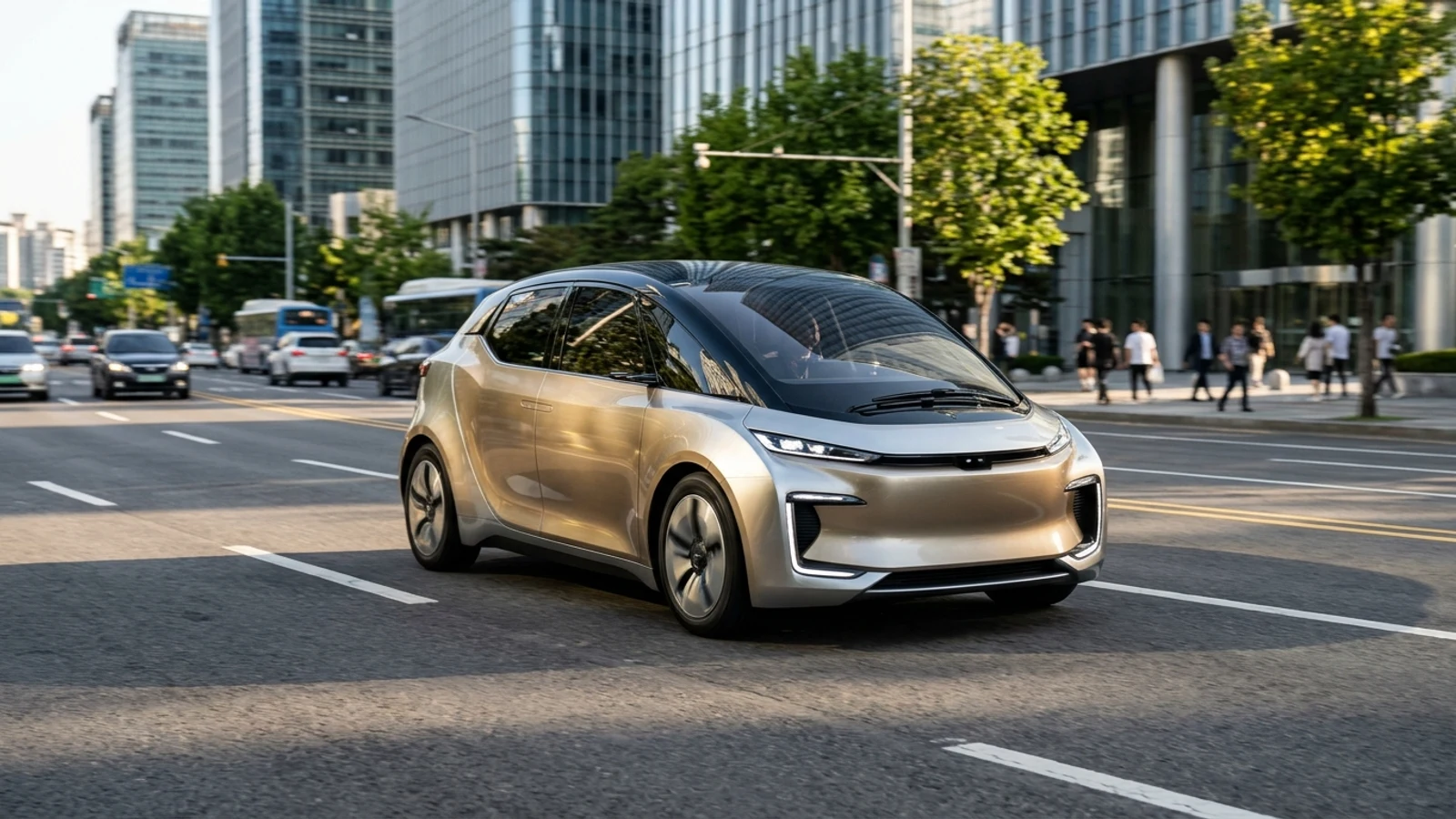
Cybercab Personal Ordering and Configuration
Tesla has initiated an invitation-only program for the personal purchase of its Cybercab, a purpose-built, two-seater vehicle designed specifically for autonomous operation. The model is characterized by the absence of conventional driver controls, including both a steering wheel and foot pedals. While the vehicle has been priced at an estimated $29,990 before taxes, Tesla has imposed a requirement that buyers pay a $1,000 non-refundable deposit to secure their order. This shift moves the product from a service-exclusive platform to a limited personal-purchase offering. Source
A critical component of the Cybercab ownership model is the mandatory Autonomy Subscription, priced at $299 per month. According to company terms, this subscription is not an optional feature but a required service that enables the vehicle to operate. The subscription covers autonomous driving capabilities, connectivity, remote support, and specific maintenance services. Owners remain responsible for additional costs including registration, insurance, charging, and parking, leading to a minimum five-year cost of ownership estimated at $47,631, excluding taxes. Source
Tesla's rollout strategy involves a staged invitation process for select customers rather than a public order window. The manufacturer has provided an estimated delivery window starting in December 2026. The Cybercab design relies entirely on Tesla’s unsupervised Full Self-Driving software to manage driving decisions, as the absence of a steering wheel precludes any manual intervention by passengers. This hardware-software integration necessitates that the car remains within specific geographic operational areas, which are defined and updated by Tesla via software. Source
The company has maintained a strict stance on usage for these privately purchased vehicles. Current terms of service prohibit owners from utilizing the Cybercab as a commercial taxi, hiring it out to others, or connecting the vehicle to the broader Robotaxi network without explicit authorization from Tesla. These conditions emphasize that the vehicle is intended for private use, with Tesla intending to keep the vast majority of its Cybercab fleet under company ownership to maintain control over utilization and deployment at scale. Source
Robotaxi Fleet Expansion and Future Models
In addition to personal sales, Tesla has expanded its autonomous ride-hailing operations. On November 19, 2026, the company officially launched public rides in the purpose-built Cybercab within Dallas, Texas. This follows the initial deployment of the vehicle in Austin, where services began in early September 2026. Tesla’s Dallas network had previously utilized Model Y vehicles for autonomous rides since April 2026, and the arrival of the dedicated Cybercab marks the second U.S. city to receive the company's newest autonomous platform. Source
The Dallas expansion aligns with statements made during the Q3 2026 earnings call, where AI software chief Ashok Elluswamy confirmed the city as the next target for the autonomous fleet. Data from the Texas Department of Motor Vehicles indicates a significant increase in Tesla's fleet presence. A batch of 200 Cybercabs registered on November 17, 2026, brought the total number of registered Cybercabs in Texas to 773, surpassing the number of Model Ys registered for the same purpose in the state. Source
Beyond the two-seat Cybercab, Elon Musk announced on November 18, 2026, at the New York Times DealBook Summit, that Tesla plans to develop a larger, fully autonomous version of the Model Y. This proposed variant would also be built without a steering wheel or pedals, specifically targeting larger groups of six or seven passengers. Musk stated that this configuration is designed to service the 10% of rider miles that require more capacity than the current two-seat robotaxis can provide. Source
The current Tesla Robotaxi fleet, which uses standard Model Y vehicles, is limited by terms of service to four passengers. The introduction of a six-to-seven-seat autonomous Model Y is intended to address a segment of the U.S. ride-hailing market that remains largely underserved by current autonomous solutions. Waymo’s Ojai platform currently seats up to four people, while other competitors like Uber have planned to integrate the six-passenger Lucid Gravity SUV into their respective fleets. Source
While plans for the larger autonomous Model Y have been revealed, Tesla has not yet provided a production timeline or details regarding the specific interior configuration. Furthermore, Tesla has not released a long list of technical specifications for the Cybercab, such as cargo space or battery capacity, alongside the initial invitation to purchase. This lack of public documentation highlights the current stage of the product as a service-adjacent offering rather than a standard consumer retail launch. Source
The following table summarizes key terms for the Cybercab personal purchase program based on verified information from Tesla's robotaxi communications: Source
| Feature | Specification |
|---|---|
| Estimated Purchase Price | $29,990 |
| Order Deposit | $1,000 (Non-refundable) |
| Required Monthly Fee | $299 (Autonomy Subscription) |
| Seating Capacity | 2 Passengers |
| Controls | None (No steering wheel/pedals) |
| Delivery Target | December 2026 |
As Tesla transitions from pilot-based operations to multi-city deployment, the company's strategy relies on transferring its software stack to new environments. The success of both the Cybercab and the future autonomous Model Y depends heavily on continued regulatory approvals and the performance of the unsupervised software in varied real-world traffic conditions. For prospective buyers, Tesla recommends monitoring the service area availability and reviewing all subscription terms before finalizing the non-refundable deposit. Source

