
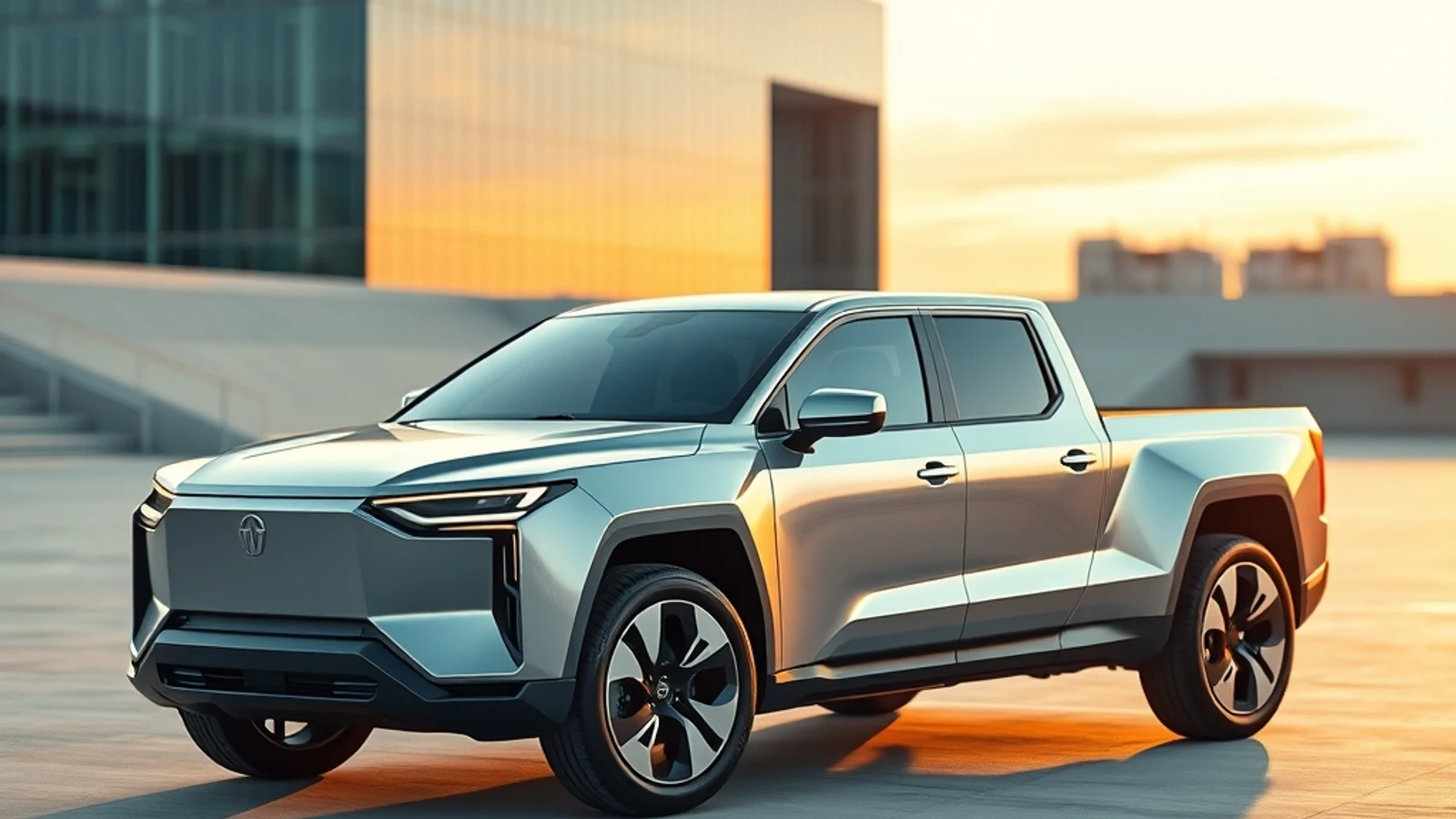
The Tesla Cybertruck is concluding its production run after having reached fewer than 100,000 deliveries on a global scale. This figure encompasses all standard consumer deliveries as well as specific fleet units acquired by companies controlled by Elon Musk, including SpaceX and xAI. Following a three-year period on the market, the polarizing electric pickup is entering its final stages, with the manufacturer preparing to wind down manufacturing operations for the model entirely. Source
Safety and Engineering Milestones
Despite criticisms regarding early build quality and design, the Cybertruck received recognition for its safety performance. The National Highway Traffic Safety Administration crash-tested the vehicle, awarding it a 5-star rating. Furthermore, the Insurance Institute for Highway Safety evaluated the pickup, resulting in a Good rating across all tested categories, including crashworthiness and both pedestrian and vehicle-to-vehicle crash prevention scenarios. This performance demonstrates the structural robustness of the vehicle's design in various collision conditions. Source
The vehicle incorporated advanced technology such as a full steer-by-wire system, which removed mechanical linkages between the steering wheel and the front wheels. This architecture enabled four-wheel steering, where rear wheels could turn in the opposite direction of the front wheels at low speeds to effectively reduce the wheelbase for improved maneuverability in parking lots. On highways, the system allowed for synchronized turning of both sets of wheels in the same direction to assist with lane-change stability. Source
Adaptive air suspension was another feature designed to manage cargo weight and terrain variations, using onboard sensors and electric compressors to stabilize the vehicle body. While early units reportedly experienced issues with suspension sag, the system offered significant flexibility for ride height adjustments. Tesla also aimed to address range anxiety by providing access to a nationwide network of more than 3,000 Superchargers, which the manufacturer claimed could add 200 miles of range in a 15-minute charging session. Source
Utility and Market Comparison
In terms of utility, the Cybertruck was marketed with specific towing and payload capabilities that exceeded those of several industry-standard competitors. The AWD variant was rated to tow up to 11,000 pounds, outperforming the base Ford F-150 and entry-level Chevrolet Silverado models. However, the manufacturer noted that real-world operations involving heavy towing resulted in a significant reduction in total driving range, which could be cut by roughly 50 percent when hauling maximum loads. Source
Payload capacity also served as a competitive metric for the Cybertruck. The AWD version was capable of carrying up to 2,500 pounds in its bed. In comparison, the toughest Ford F-150 configuration was rated for 2,445 pounds, while a Ram 1500 with the Pentastar V6 was rated for 2,360 pounds, and a Chevrolet Silverado in a specific Regular Cab/Long Bed/Rear-Wheel Drive configuration reached 2,260 pounds. These figures highlight the vehicle's capability to exceed standard payload metrics for many full-size trucks. Source
The performance-oriented Cyberbeast trim was positioned as a high-power alternative, mirroring the performance trends seen in the Tesla Model X Plaid. Priced at $102,490, it offered acceleration metrics and horsepower outputs that the manufacturer compared to million-dollar supercars. While the price point remained high for the pickup segment, it allowed owners to access high-performance drivetrain technology that would otherwise require much larger financial investments in high-end automotive brands like McLaren or Lotus. Source
Manufacturing consistency saw significant adjustments over the production lifecycle. The 2024 model year experienced documented challenges with 179 complaints and 11 recalls filed with the National Highway Traffic Safety Administration, covering issues such as loose panel components and camera failures. In contrast, the 2026 model year saw a reduction in these metrics, recording two recalls and nine complaints. One notable recall for the 2026 model year concerned a wheel stud that could potentially separate, affecting 173 units total. Source
Maintenance requirements for the Cybertruck differed from traditional internal combustion engine vehicles. The absence of routine maintenance tasks like oil changes or transmission fluid services contributed to a lower annual maintenance cost, with estimates suggesting $392 per year. Despite this, potential repair costs for body panels could be high. The unique design and materials required specialized labor and parts, which meant that while day-to-day operation was inexpensive, significant structural damage could prove costly to rectify. Source
Market positioning for the Cybertruck targeted a tech-centric, niche demographic rather than the mass-market, high-volume segment occupied by the Ford F-Series. Other manufacturers have since taken different paths, with companies like Slate Auto designing pickups intended to serve as smaller, more affordable daily drivers. Slate Auto has reported receiving 180,000 pre-orders, suggesting a divergent strategy focused on simplicity and versatility as compared to the luxury and high-performance focus that characterized the Tesla Cybertruck's development and marketing period. Source

