
Market Trends and Pricing Volatility
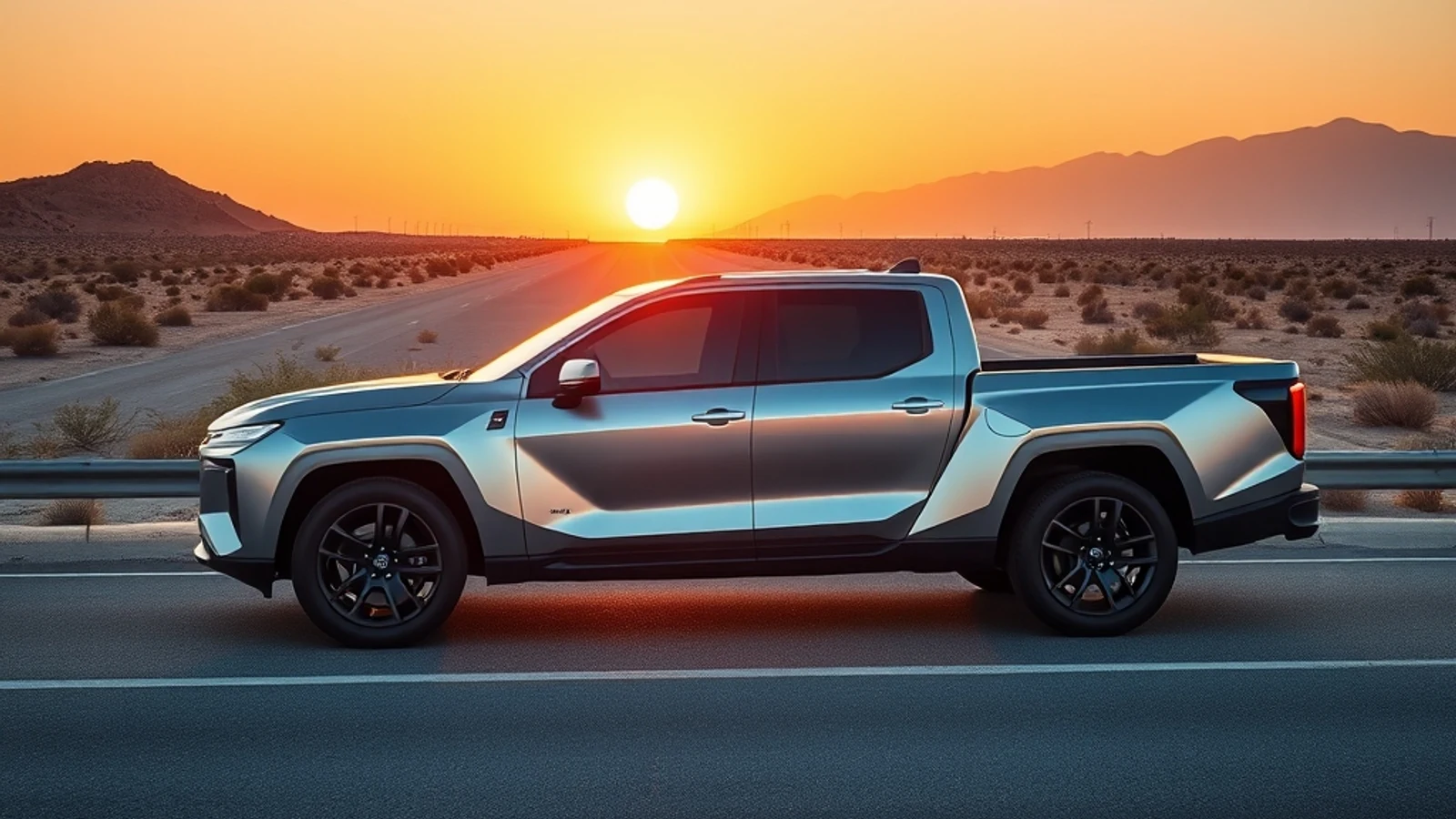
Used Tesla Cybertruck market values have experienced an upward shift in the month following the manufacturer's announcement regarding the termination of production for the electric pickup. Data tracked by CarGurus and Visor indicates that asking prices for used units have climbed by 10 to 15 percent since the news broke. While broader used car market indices trended downward by 1.37 percent over the same 30-day period, Cybertruck listings have seen significant appreciation at the top and middle tiers of the market. Source
Specific dealer listings demonstrate the extent of these price movements. One New Jersey-based dealer has listed a 2026 Cyberbeast at $150,790, which sits approximately $36,000 above the retail price of a new unit. Price history logs show that this particular vehicle saw its asking price increase by $15,000 within a six-day span in November 2026. This trend of rising prices is not restricted to the United States, as Canadian listings on platforms like AutoTrader.ca have seen similar pricing activity, with some asking prices reaching as high as C$199,999. Source
Tesla's own pricing actions appear to have influenced this market response. Following an announcement on November 6, 2026, regarding the wind-down of production at Giga Texas, Tesla implemented price hikes of up to 10 percent. By the following week, the company discontinued all Cybertruck configurations except for the Cyberbeast model, which is currently priced at $114,990. These manufacturer moves have narrowed available options for buyers, driving demand toward the secondary market for older configurations. Source
The market floor for used Cybertrucks remains relatively stable, with certain high-mileage units listed in the $70,000 to $80,000 range. The disparity between these entry-level prices and the premiums seen on lower-mileage Cyberbeast models highlights a bifurcated market. Analysts note that 2024 models often include the 'Full Self-Driving' package purchased outright, whereas current Tesla retail models offer FSD exclusively as a subscription, providing an additional incentive for buyers to seek out specific used inventory. Source
Used Market Performance and Sales Velocity
Beyond pricing, the Cybertruck has emerged as the fastest-selling used pickup in the United States according to research from iSeeCars. Data from October 2026 shows that the vehicle spent an average of 39.1 days on the market before finding a buyer. This performance is notably faster than the average for used pickups, which stood at 65.5 days during the same period. The data confirms the Cybertruck outperformed models like the Ford Maverick Hybrid and the Rivian R1T in terms of inventory turnover. Source
Market analysis of 1.1 million transactions for one- to five-year-old vehicles in October 2026 reveals that electric pickups are generally selling more quickly than petrol-powered counterparts. While the average time to sell for all electric vehicles was 45.6 days, the Cybertruck's 39.1-day average placed it among the top performers in the sector. However, this trend is not universal across all electric models, as evidenced by the Chevrolet Silverado EV, which took an average of 107.5 days to move from dealer inventory to sale. Source
The current interest in used Cybertrucks is attributed to a combination of high fuel costs and increased availability of off-lease units. Despite the scheduled reduction in manufacturing at Giga Texas, which Elon Musk has stated will free up capacity for the Cybercab robotaxi, the secondary market demand remains high. While October data predates the formal wind-down announcement, the figures illustrate that the Cybertruck maintains strong appeal among second-hand vehicle buyers in the current automotive environment. Source
Computing Constraints and FSD Development
Technological advancements and limitations continue to shape the broader Tesla vehicle ecosystem. The release of FSD v15 represents a critical phase for the AI4 computer architecture. Musk has clarified that Reality View, a new visualization feature, operates using a small fraction of the AI4's available compute, specifically half of one accelerator. This constraint reflects the diminishing overhead available on current hardware, as engineers attempt to squeeze performance for advanced driving features while managing memory and thermal limits. Source
The hardware lifecycle for Tesla's fleet has also been clarified, with confirmation that vehicles will not transition to the next-generation AI5 chip. Instead, the AI4.5 mid-cycle upgrade involves a reduction in RAM from 32GB to 24GB, driven by memory bandwidth and supply constraints. For owners of existing hardware, including AI4-equipped models, v15 is considered a decisive test for achieving unsupervised autonomous capabilities, as there are limited options for significant hardware upgrades remaining in the current fleet roadmap. Source
Tesla's reliance on split-chip workload distribution has been a point of discussion among software enthusiasts. Unlike competitive systems that utilize entirely redundant parallel computing for safety-critical tasks, Tesla’s approach uses both AI4 SoC chips to handle the full driving stack and visualization features. As the computational demands of FSD v15 increase, questions remain regarding how the system maintains fail-safe redundancy if one of the chips encounters a fault while the vehicle is in motion without an active human driver. Source
Comparison of various used vehicle models shows distinct variations in market turnover rates as of October 2026. The data below outlines the average days on the market for popular used pickup models, demonstrating the comparative velocity of the Cybertruck within the segment. These figures highlight the competitive landscape where electrified options have started to outpace traditional internal combustion vehicles in buyer interest. Source
| Vehicle Model | Avg Days on Market (Oct 2026) |
|---|---|
| Tesla Cybertruck | 39.1 |
| Ford Maverick Hybrid | 43.3 |
| Rivian R1T | 45.2 |
| Ford F-150 Lightning | 47.4 |
| Toyota Tacoma (Petrol) | 50.1 |

